
 dudeoi
Anatomy of a Fall is a movie released in 2023, winner of The Palme d’Or, directed by Justine Triet. Its a film with one of those rare plots where the murder mystery is almost a decoy. The real subject is not “Did Sandra kill Samuel?” but: Can we ever truly know another person, a marriage, or even ourselves?
Justine Triet has said she wanted to put a marriage on trial as much as a possible crime. The courtroom becomes a machine that tries to transform the complexity of a relationship into a simple story.

OUR SPONSOR OF THE DAY : NEONNIGHT.FR

Quick plot

A writer named Sandra is accused of murdering her husband after he falls to his death from their mountain home. During the trial, the court investigates their troubled marriage, but the truth remains ambiguous, leaving the audience unsure whether it was murder, suicide, or an accident.
Anatomy of a Fall is really about narrative, not murder

- The prosecutor’s job is to create a coherent story.
- Sandra’s lawyer’s job is to create a competing story.
- The audience’s job is to choose.
The film constantly reminds us that facts rarely arrive as facts. They arrive as:
- interpretations
- memories
- assumptions
- narratives
- The court wants certainty.
- The film refuses to provide it.
Triet explicitly described the trial as a struggle over narrative rather than a place where pure truth emerges.
1. The impossibility of fully knowing a marriage

The most interesting theme in the film.
Everyone in the courtroom believes they can reconstruct the marriage from:
- recordings
- experts analysis
- testimony
- psychology
But the film argues: Every relationship contains a private reality that outsiders can never fully access.
The line that stayed with me is not a specific quote but an idea: A marriage is made of thousands of tiny moments nobody else witnesses.
The court examines fragments and pretends the fragments equal the whole.
They don’t.
That is why the movie feels so unsettling.
2. Success, resentment, and the hidden violence of comparison
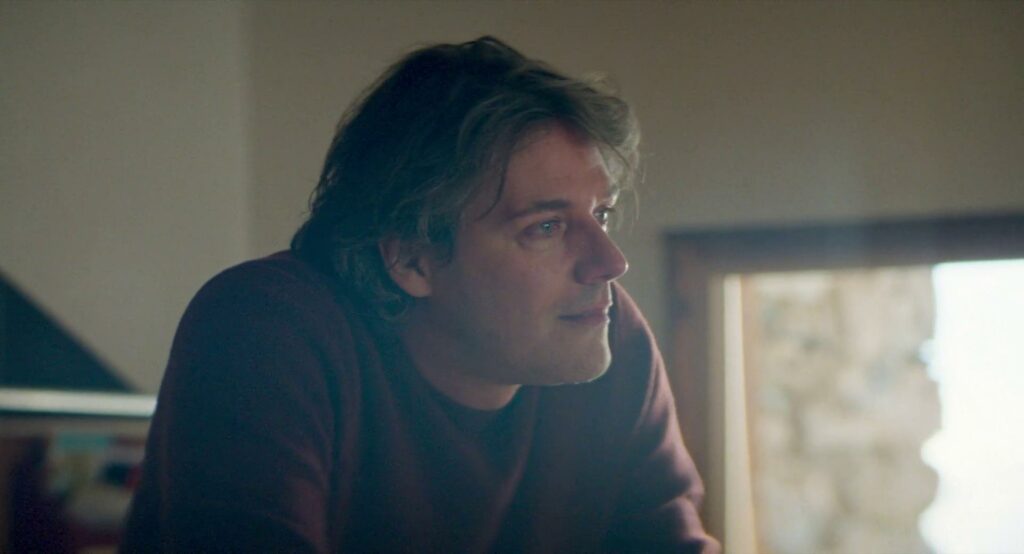
Samuel’s tragedy is not simply that he is unhappy. It’s that Sandra becomes the person he hoped to be.
- Both are writers.
- But Sandra succeeds.
- Samuel stalls.
The film explores a brutal question: What happens when your partner becomes a living reminder of your unrealized potential?
The argument recording is devastating because neither person is completely right or wrong.
- Sandra can be harsh.
- Samuel can be self-pitying.
- Both have legitimate grievances.
- Yet neither can fully escape the comparison.
3. The film attacks simple victim-villain stories
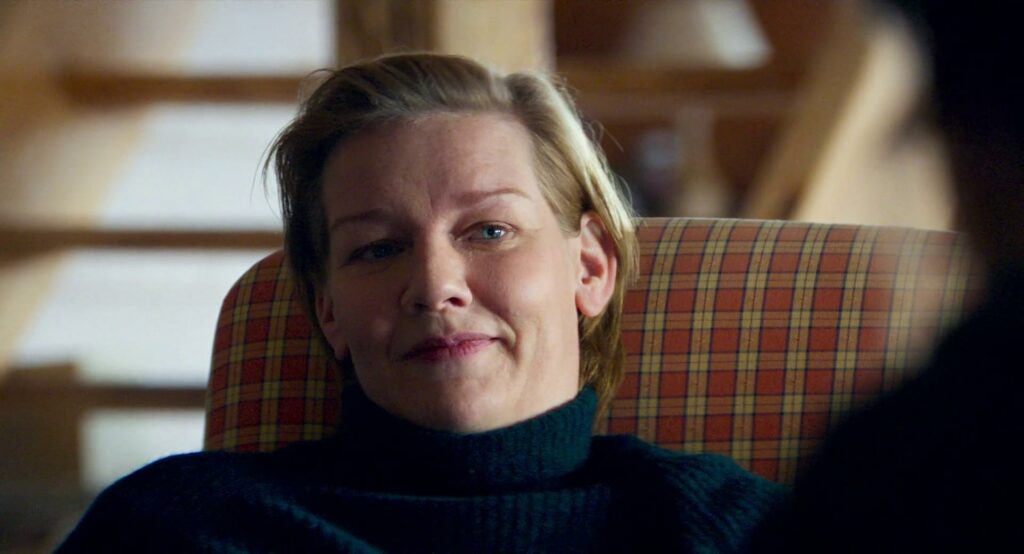
Most courtroom dramas secretly want you to decide:
- hero or villain
- innocent or guilty
- victim or perpetrator
This film destroys those categories.
Sandra is:
- intelligent
- selfish at times
- loving at times
- cold at times
- honest in some moments
- evasive in others
She feels like an actual human being.
The film refuses to make her morally pure so that the audience can comfortably support her.
4. Gender expectations
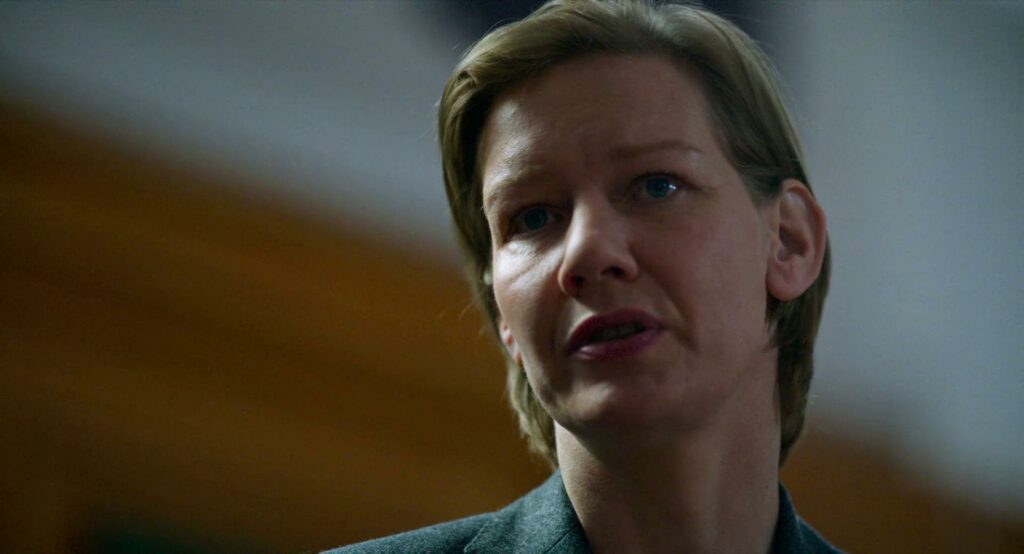
This theme is easy to miss. Part of the suspicion around Sandra comes from the fact that she violates expectations.
She is:
- professionally successful
- sexually autonomous
- emotionally controlled
- not overtly nurturing
Many people unconsciously expect a wife to perform grief and vulnerability in a particular way.
Sandra doesn’t.
The court repeatedly interprets her personality as evidence.
- Not her actions.
- Her personality.
The question becomes: Is she suspicious because of what she did, or because of who she is?
5. Language and translation
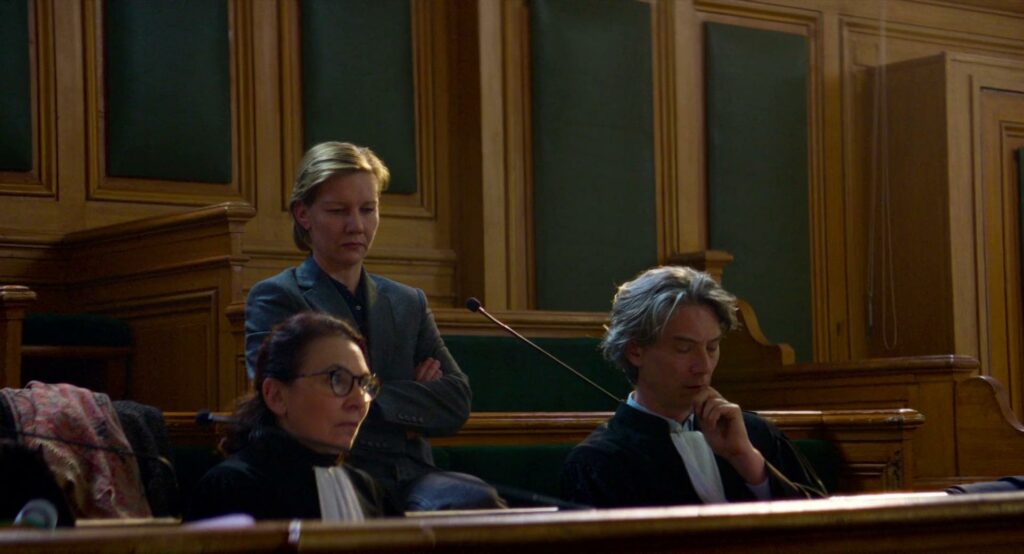
This is one of the film’s most brilliant hidden themes.
- Sandra is German.
- She lives in France.
- Much of the film happens in English.
- Nobody is speaking entirely in their native emotional language.
- The marriage itself feels slightly translated.
- The trial feels translated.
- The truth feels translated.
Meaning is constantly being lost, distorted, and reconstructed.
6. Daniel and the necessity of choosing a story
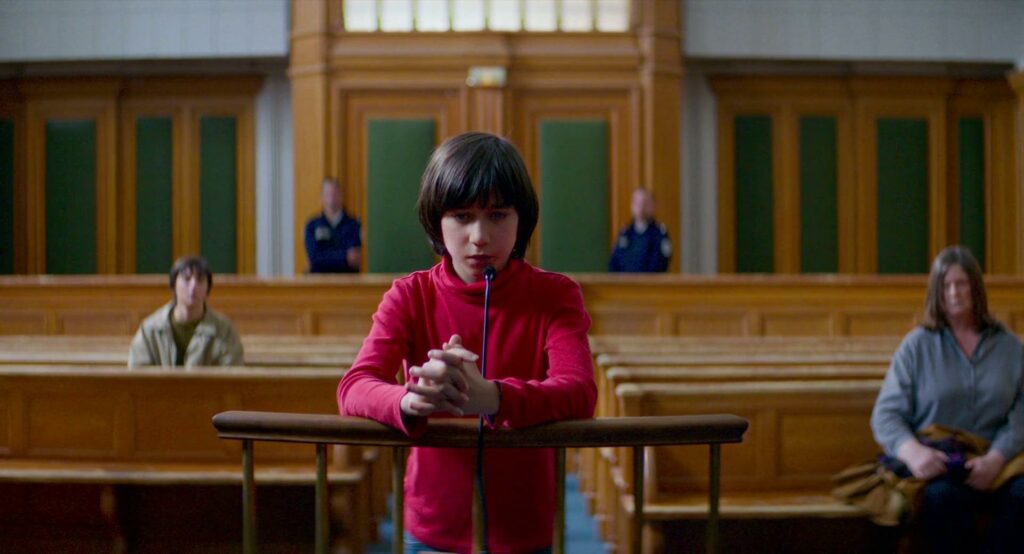
Daniel is the emotional center of the film.
He is partially blind.
But symbolically, everyone in the film is blind.
Nobody sees the whole picture.
- Not the court.
- Not Sandra.
- Not the audience.
- Not Daniel.
At the end, Daniel essentially confronts the same problem as the audience: “I cannot know for certain.”
So what does he do?
- He chooses.
- Not because he has perfect evidence.
- Because human beings often have to live through uncertainty by committing to an interpretation.
That may be the deepest theme in the entire movie.
7. The title is the key
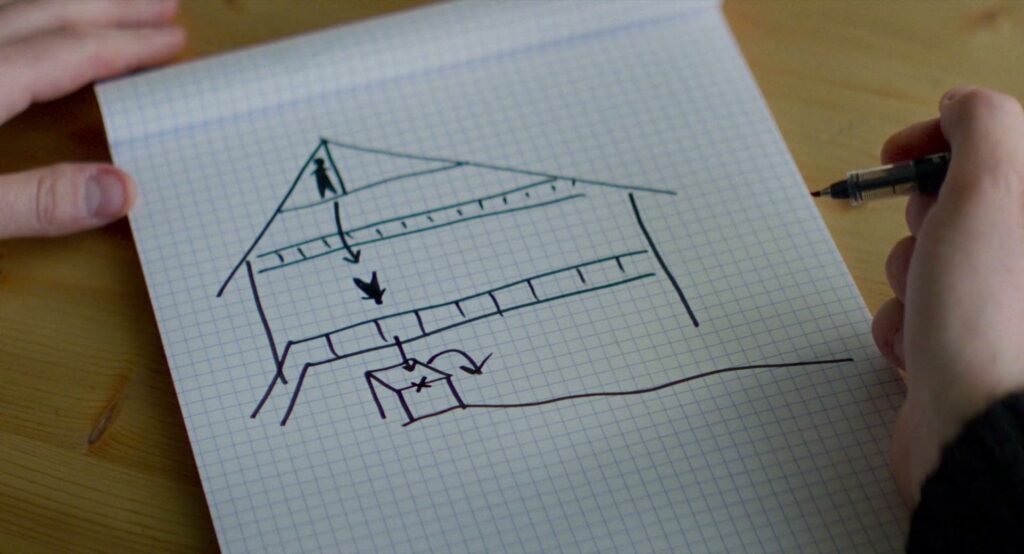
Most people focus on the fall.
The title is not The Fall.
It’s Anatomy of a Fall.
An anatomy is a dissection.
The movie dissects:
- a marriage
- a family
- a legal system
- truth itself
And after all that dissection, certainty still escapes us.
That is the irony.
The more evidence we receive, the less certain we become.
Why the film stays with people
Most mysteries end with: “Now you know.”
Anatomy of a Fall ends with: “You know far more than before, yet you still cannot be certain.”
That feels much closer to real life.
The film’s answer is uncomfortable:
We can observe actions, hear explanations, and build narratives but there is always a part of another person’s inner reality that remains inaccessible.
That’s what makes it such a haunting film. It’s a mystery that ultimately turns the investigation back onto the audience.
A Deeper Analysis : Everyone believes they are the protagonist
In the film, nearly everyone sees themselves as the protagonist of the story.
Samuel’s perspective
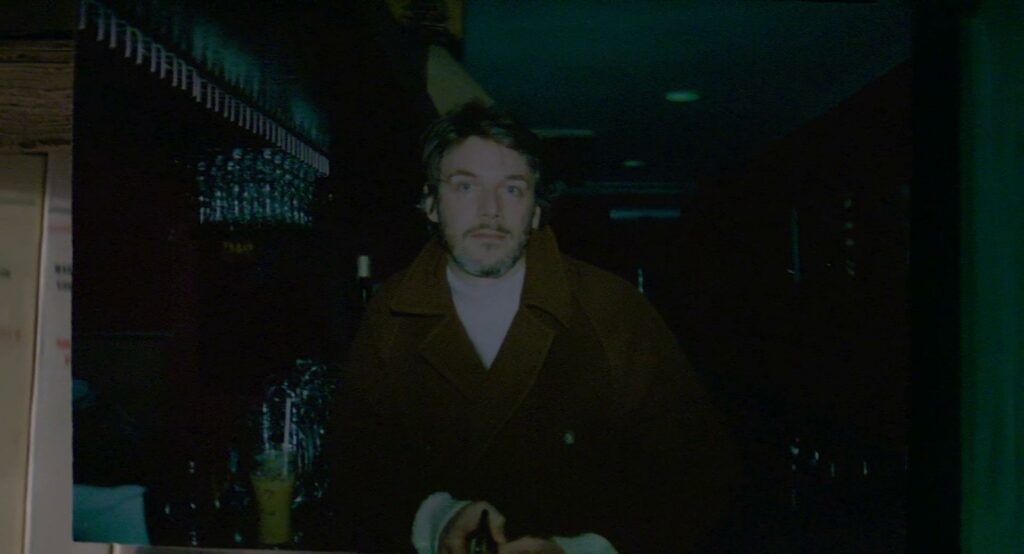
Samuel sees himself as someone who sacrificed:
- his career
- his ambitions
- his creative potential
He feels trapped and overshadowed by Sandra’s success.
In his story: he is the neglected, frustrated husband carrying invisible suffering.
Sandra’s perspective
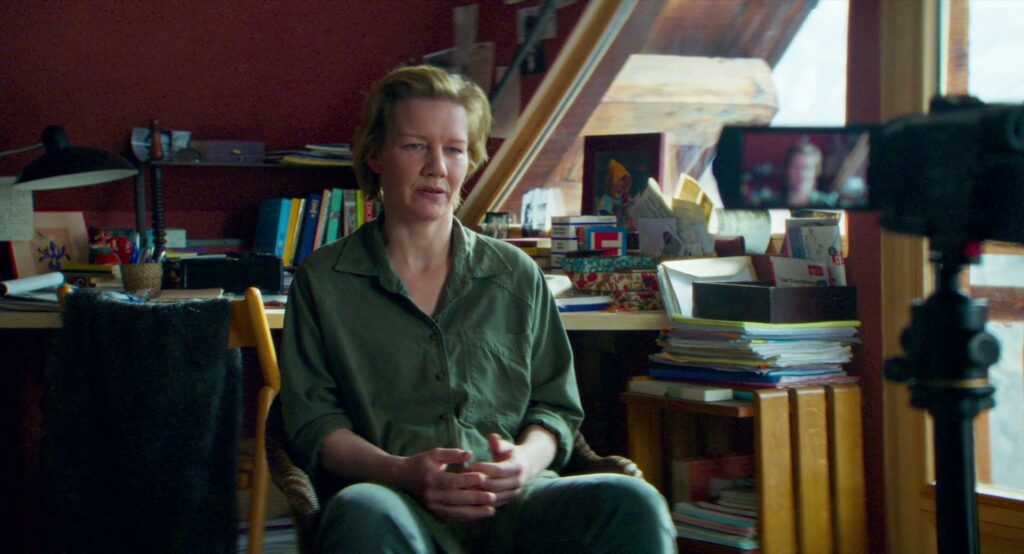
Sandra sees herself as someone who:
- worked hard
- accepted responsibility
- pursued her career honestly
She feels she is being blamed for Samuel’s failures.
In her story: she is a woman unfairly judged and forced to defend herself against projections and expectations.
The prosecutor’s perspective
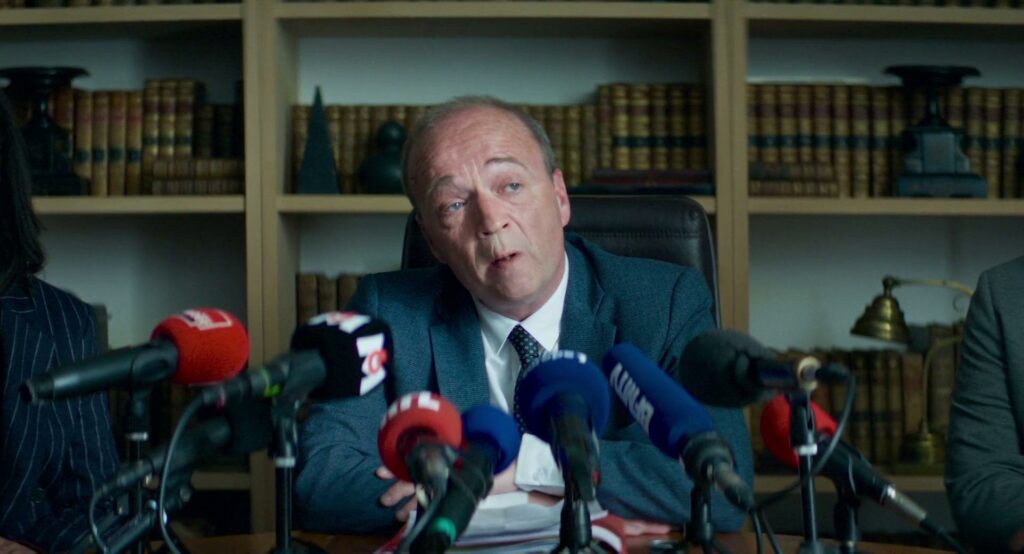
Even the prosecutor acts like a protagonist.
- He isn’t merely examining evidence.
- He believes he is uncovering the hidden truth.
In his story: he is the defender of justice exposing a dangerous person.
Daniel’s perspective
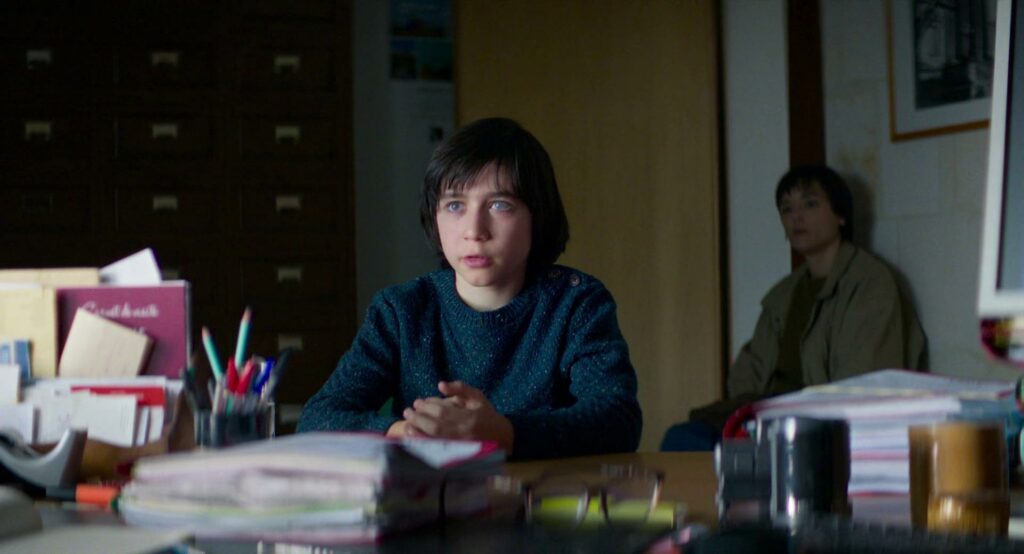
Daniel wants to understand what happened to his father and protect what remains of his family.
In his story: he is trying to find a truth he can live with.
Why this matters
The film suggests something uncomfortable: People don’t experience themselves as villains.
Most people explain their actions through a story in which they are:
- justified
- misunderstood
- reacting to circumstances
- doing their best
Even when they hurt others.
The deeper theme
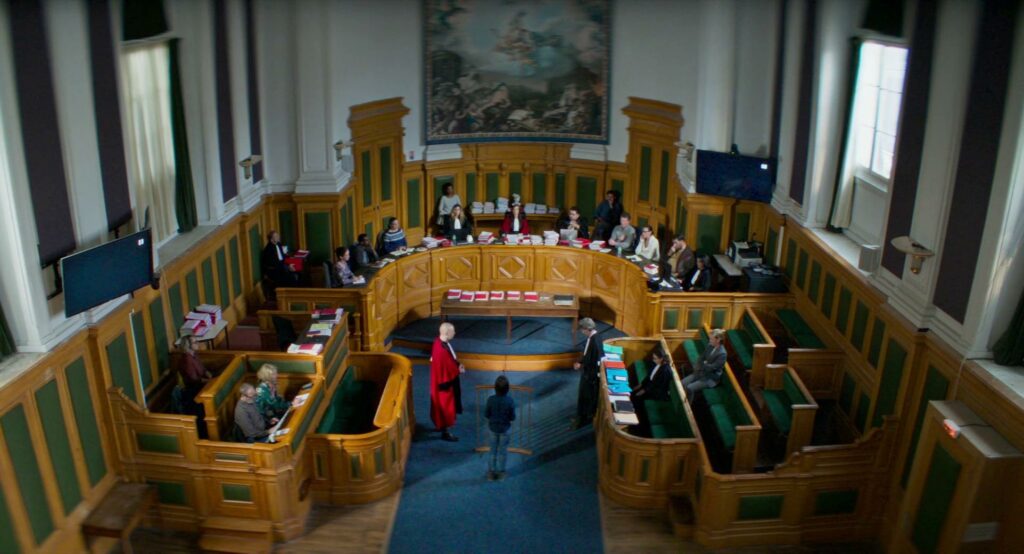
The courtroom tries to determine: “Who is responsible?”
But the marriage reveals a more complex reality:
- Both Sandra and Samuel have valid grievances.
- Both have flaws.
- Both contributed to the relationship’s problems.
Yet each tells the story from the center of their own experience.
That’s what humans naturally do.
The film’s genius is that it quietly turns this on the audience too.
As you watch, you keep trying to decide: “Who is the real protagonist?”
And the film’s answer is essentially: Everyone thinks they’re the protagonist. That’s why truth becomes so difficult to reconstruct.
The psychology explained
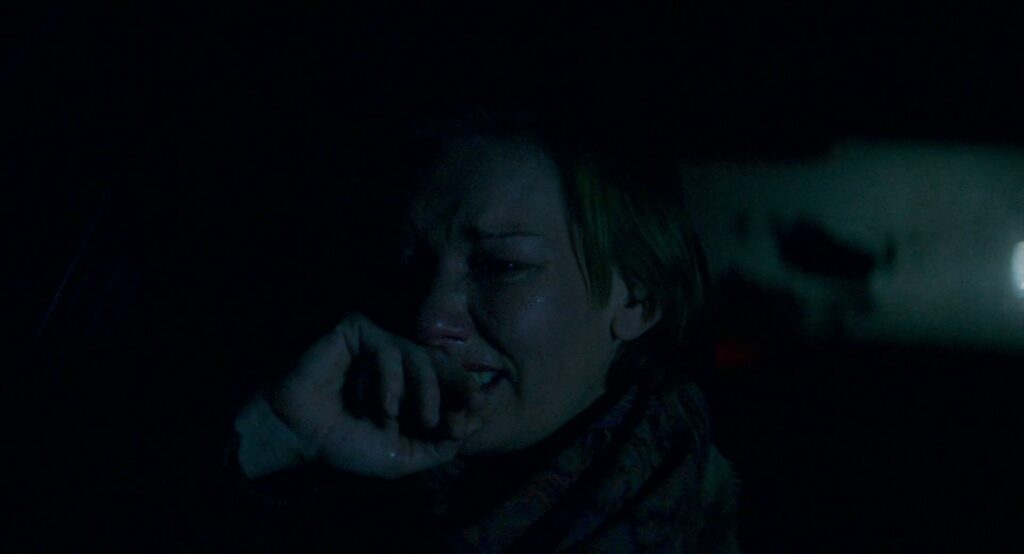
Psychologically, the idea that everyone needs to feel like the protagonist in Anatomy of a Fall comes from a few deep features of how human minds construct identity, memory, and moral justification.
The film isn’t just showing a legal case it’s showing how selfhood itself is a narrative system.
1. The “self-as-story” mechanism
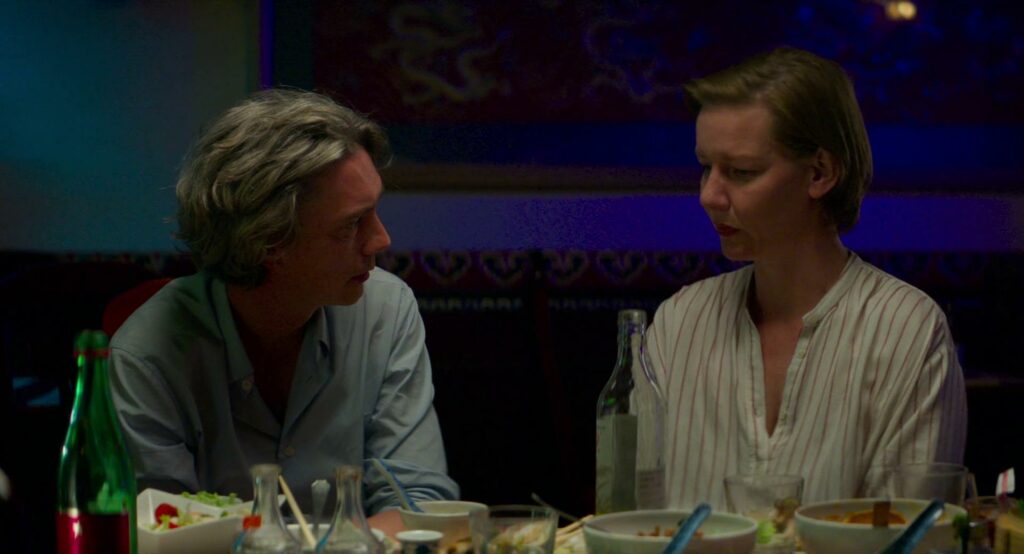
Humans don’t store life as objective data. We store it as:
“What happened to me, and what it means about me.”
So the mind constantly builds a narrative where:
- I am the central character
- events are interpreted relative to me
- others become supporting characters or obstacles
This is called narrative identity in psychology.
So in the film:
- Sandra is not just “a wife”
- Samuel is not just “a husband”
- even Daniel is not just a child
Each one is experiencing:
“This is my story unfolding.”
2. Self-serving bias (psychological survival function)
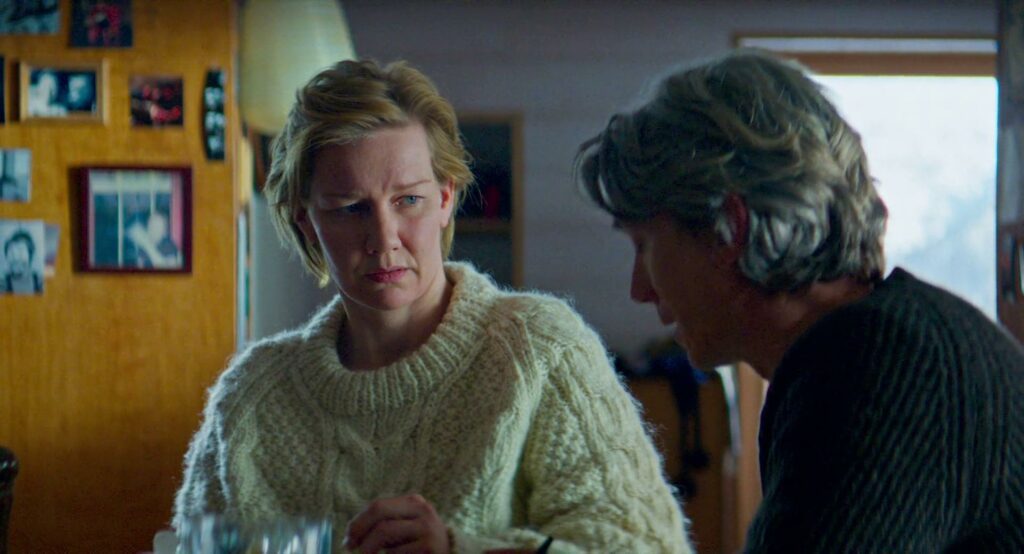
People naturally interpret events in ways that protect:
- self-esteem
- moral self-image
- coherence
So:
- success = “I did well”
- failure = “circumstances / others”
In the film:
- Samuel’s stagnation becomes “I sacrificed for the family”
- Sandra’s success becomes “I worked while he held me back”
Both are partly true but each is also a protective framing of ego.
The mind prefers a story where it is justified rather than wrong.
3. Attribution conflict: internal vs external causes

A key psychological tension:
- Internal attribution: “It’s because of me”
- External attribution: “It’s because of them / the situation”
In relationships under stress, people increasingly shift outward:
- “you caused this”
- “you don’t understand me”
- “you made me like this”
In the film, both spouses do this.
This creates a paradox: Each person experiences themselves as reasonable, and the other as the problem.
4. Memory reconstruction (not recording)
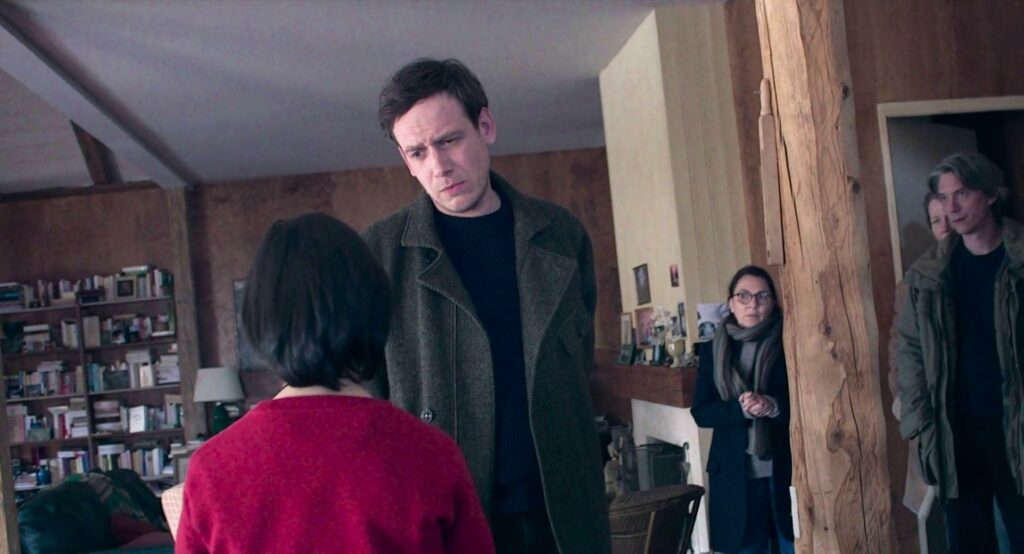
A crucial insight: memory is not playback it’s reconstruction.
Each time people recall the past:
- emotions reshape memory
- current resentment changes interpretation
- new events rewrite old meaning
So in court:
- the same marriage produces multiple incompatible “truths”
- each truth feels real to the person telling it
This is why no one is lying in a simple sense—but no one is fully objective either.
5. Ego-centrality in conflict
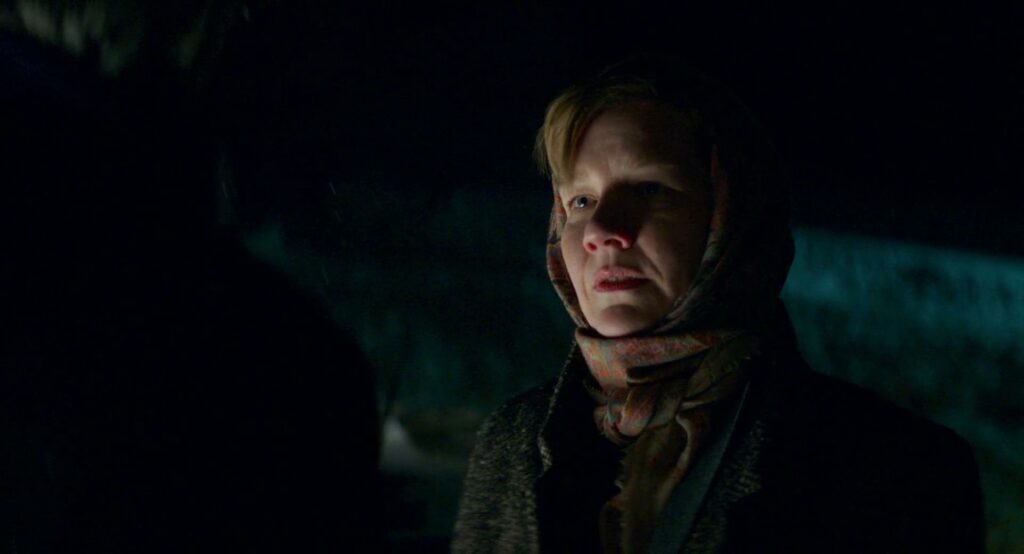
In close relationships, there is a shift: “What happened between us” becomes “what happened to me by you”
So shared reality collapses into:
- “my suffering”
- “my injustice”
- “my interpretation”
This is why both characters feel morally justified.
The ego doesn’t say: “We had a complex failure.”
It says: “This is what was done to me.”
6. The courtroom as a psychological amplifier
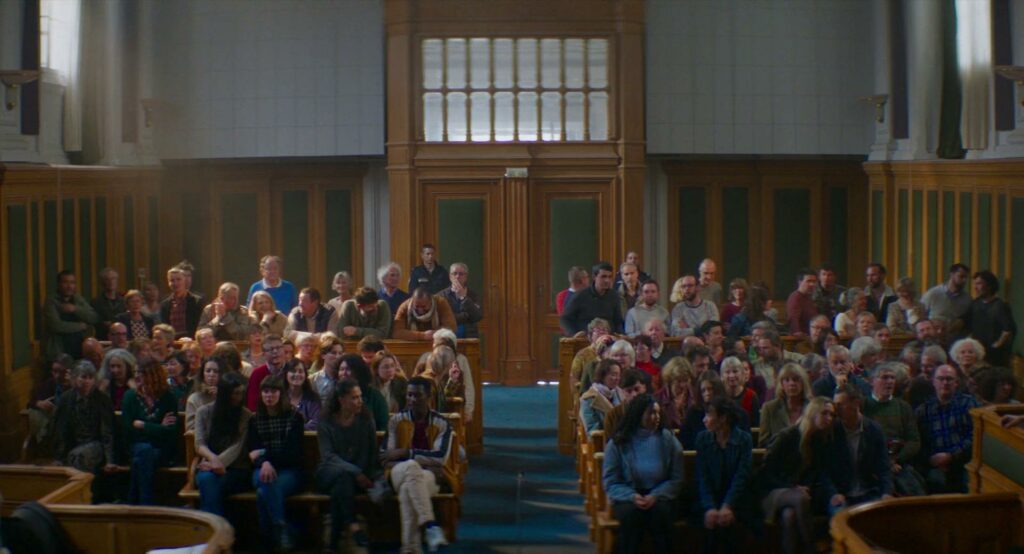
The trial forces something unnatural:
- life is reduced to evidence
- emotional truth is translated into legal truth
- complex relationship dynamics are flattened into binary judgments
This creates cognitive pressure to simplify ambiguity:
- guilty / not guilty
- victim / perpetrator
But psychologically, the marriage cannot fit into those boxes.
So each witness unconsciously becomes: a narrator defending their version of reality
7. Why “everyone is the protagonist” feels inevitable
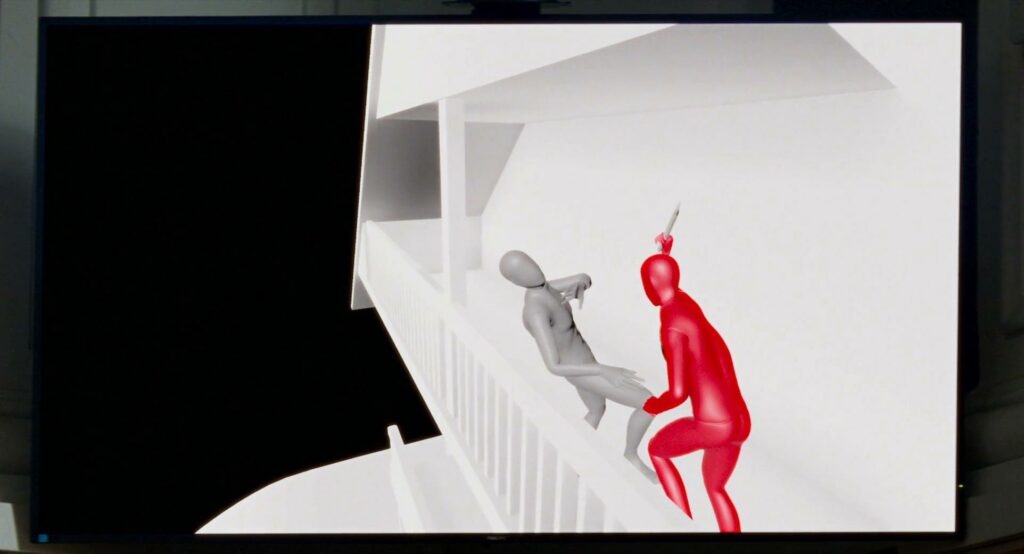
Because the brain is structured around:
- survival of the self-model
- coherence of identity
- justification of past actions
If someone didn’t see themselves as central, they would:
- lose narrative coherence
- experience identity fragmentation
- struggle to justify choices and suffering
So it is not ego in a moral sense—it is cognitive architecture.
8. The deepest psychological irony of the film
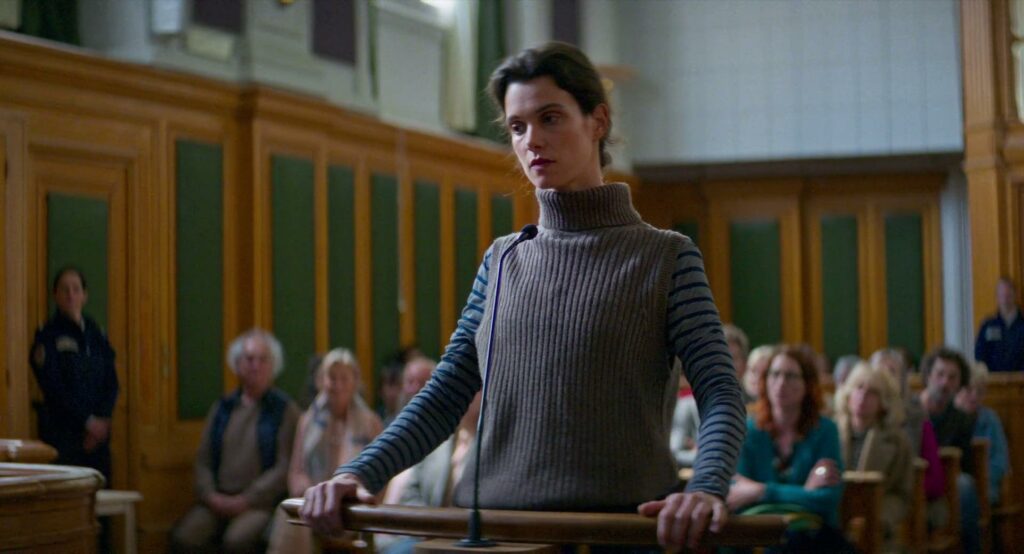
The film suggests: There is no neutral observer inside human experience.
Every perspective is:
- partial
- self-centered (structurally, not maliciously)
- emotionally weighted
- narrative-driven
So the “truth” of the marriage is not hidden behind facts it is: distributed across incompatible subjective realities
Core takeaway
In Anatomy of a Fall, everyone is the protagonist because: the human mind cannot experience reality without turning it into a self-centered narrative that preserves coherence, meaning, and moral justification.
- That’s not a flaw in specific characters.
- It’s a feature of being human.
OUR SPONSOR OF THE DAY : NEONNIGHT.FR
Conclusion

Ultimately, Anatomy of a Fall is not a film about solving a death, but about the impossibility of reducing a human relationship into a single, stable truth. The courtroom attempts to translate a marriage into logic, evidence, and narrative coherence, but what it uncovers instead is fragmentation competing perspectives shaped by memory, emotion, identity, and self-justification.
What the film reveals is that truth in intimate relationships is never purely objective. It is filtered through perception, shaped by personal suffering, and reconstructed through storytelling. Each character becomes the center of their own moral universe, not out of malice, but because the human mind naturally organizes experience around the self.
In the end, the ambiguity of the fall mirrors a deeper ambiguity: not just what happened, but whether any single account of “what happened” can ever fully contain the reality of a shared life. The film leaves us not with certainty, but with a more unsettling awareness that understanding others is always partial, and that every attempt to define truth is also an act of interpretation.


GIPHY App Key not set. Please check settings