
 dudeoi
After watching Christopher Nolan’s The Odyssey, a story I had never truly explored or paid much attention to before, I was struck by the depth and timelessness of its themes. It is remarkable that a work written in Ancient Greece thousands of years ago still contains so much wisdom about human nature, ambition, temptation, and the search for meaning.
In this article, we will explore the lessons hidden within The Odyssey and examine their modern equivalents—how the challenges faced by Odysseus still appear in our own lives today.

OUR SPONSOR OF THE DAY : NEONNIGHT.FR

1. Know what your “Ithaca” is
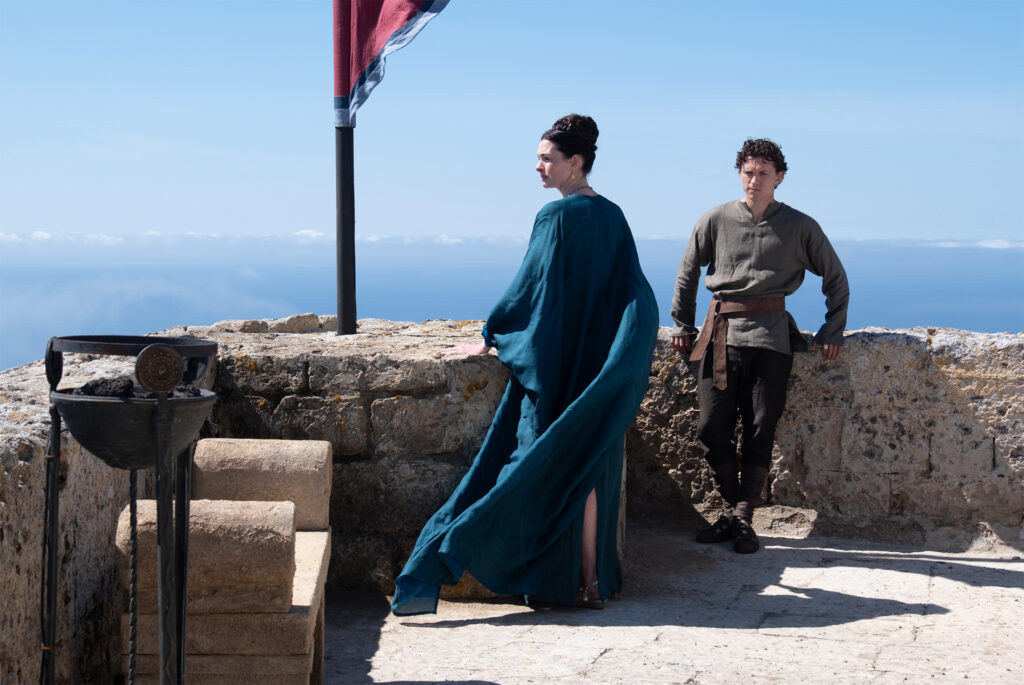
Odysseus’s lesson: He survives because he has a destination. He knows what he is trying to return to.
Modern equivalent:
A person without a clear direction becomes vulnerable to whatever is loudest:
- chasing status because others value it;
- changing careers constantly because of external trends;
- seeking validation instead of building something meaningful;
- accumulating money without knowing what the money is for.
A person with an “Ithaca” knows:
- what kind of person they want to become;
- what relationships matter;
- what work is worth doing;
- what they are willing to sacrifice.
Lesson: A clear purpose protects you from meaningless distractions.
2. Not every attractive offer is good
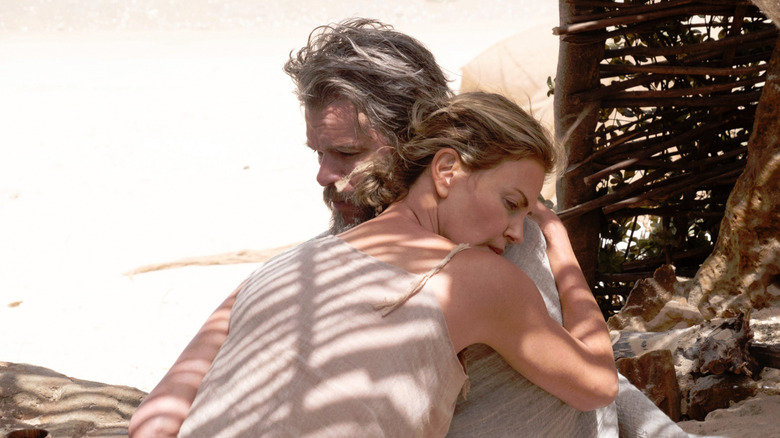
The temptations of The Odyssey are modernized versions of things we still face.
The Lotus-Eaters
Symbol: Forget your purpose.
- comfort;
- passivity;
- absence of direction.
Modern equivalent:
- endless scrolling;
- binge entertainment;
- living for weekends only;
- staying in a comfortable situation you secretly want to leave;
- habits that make time disappear.
The danger is not suffering.
The danger is forgetting you had a destination.
Lesson: A life can be lost not through tragedy, but through gradual surrender.
Circe
Symbol: Lose control of yourself.
- appetite;
- instinct;
- consumption;
- immediate gratification.
Modern equivalent:
- addiction;
- compulsive shopping;
- overeating;
- uncontrolled impulses;
- chasing pleasure without considering consequences.
The person becomes controlled by their desires rather than controlling them.
Lesson: Your instincts are part of you, but they should not be your master.
The Sirens
Symbol: Lose yourself in fascination.
- beauty;
- knowledge;
- obsession;
- irresistible desire.
Modern equivalent:
- internet rabbit holes;
- fame;
- conspiracy obsession;
- intellectual arrogance;
- chasing attention;
- becoming addicted to being right.
The danger is not that the thing is false.
The danger is that it becomes more important than your life.
Lesson: Even truth, beauty, and knowledge can become destructive when they consume your entire existence.
The Underworld

Symbol: Face what you cannot escape.
- death;
- memory;
- truth;
- consequence.
Modern equivalent:
- confronting your past;
- accepting failure;
- losing someone you love;
- realizing time is limited;
- facing uncomfortable truths about yourself.
The Underworld is the moment when illusions disappear.
Lesson: Growth requires the courage to face reality, not just pursue dreams.
Calypso
Symbol: Abandon your path for a perfect alternative.
- comfort;
- security;
- pleasure;
- immortality.
Modern equivalent:
- a high-paying job that destroys your passion;
- a comfortable relationship that prevents growth;
- a safe life chosen out of fear;
- social approval replacing authenticity.
The trap is that nothing looks wrong.
It is a beautiful prison.
Lesson: A comfortable life is not always a meaningful life.
3. Intelligence is more valuable than force
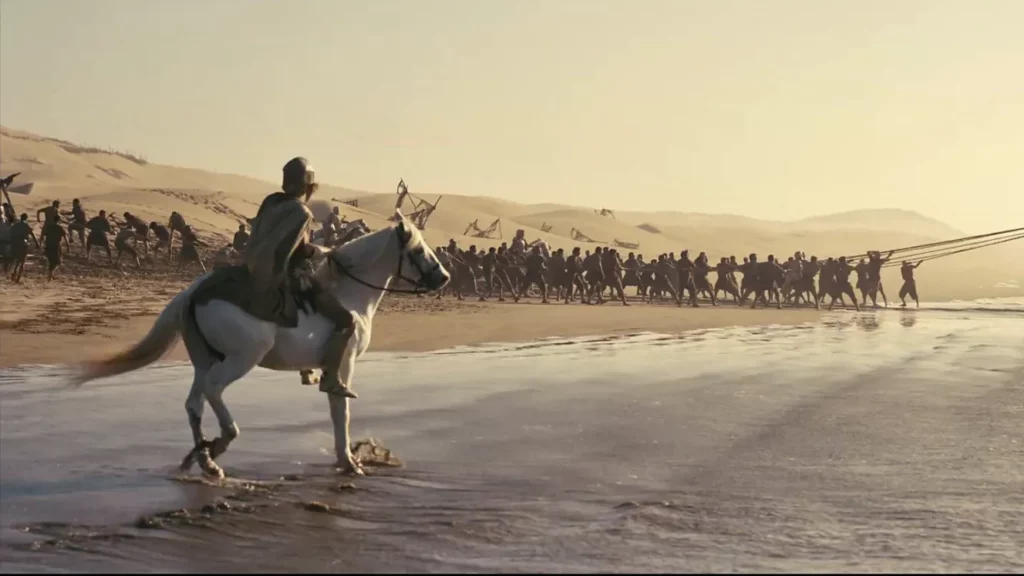
Odysseus: He wins through observation, strategy, and adaptation.
Modern equivalent:
A person who succeeds by:
- understanding incentives;
- learning faster;
- negotiating;
- building systems;
- choosing the right battles.
Not every problem is solved by working harder.
Sometimes the advantage comes from understanding the game.
Lesson: Reality rewards those who understand it, not only those who fight hardest.
4. Patience is a form of strength
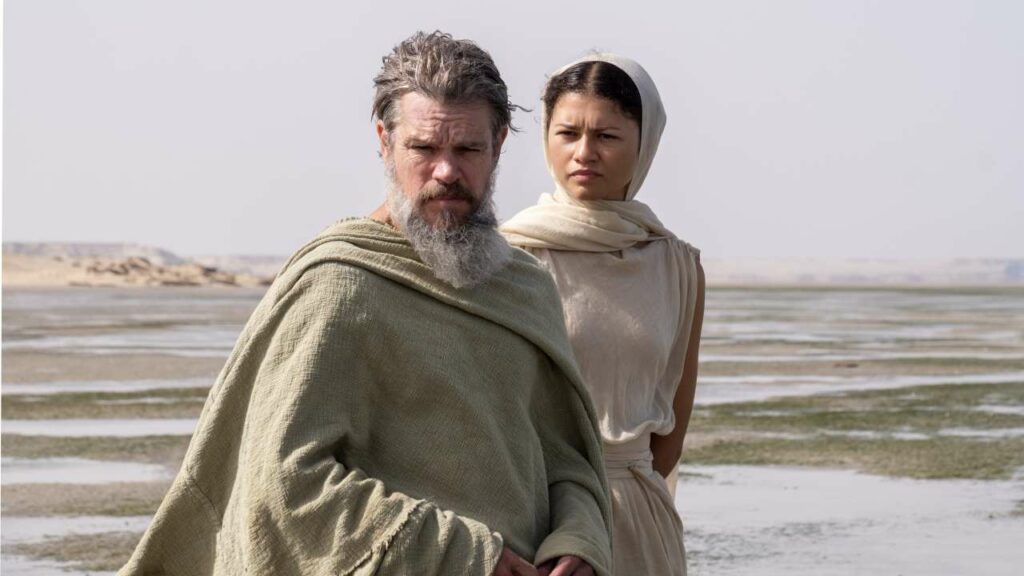
Odysseus: He waits before revealing himself.
Modern equivalent:
- not reacting emotionally online;
- building skills before seeking recognition;
- saving money before taking risks;
- observing people before trusting them;
- allowing a plan to mature.
Lesson: Immediate action is not always courage. Sometimes restraint is the higher form of power.
5. Pride has consequences
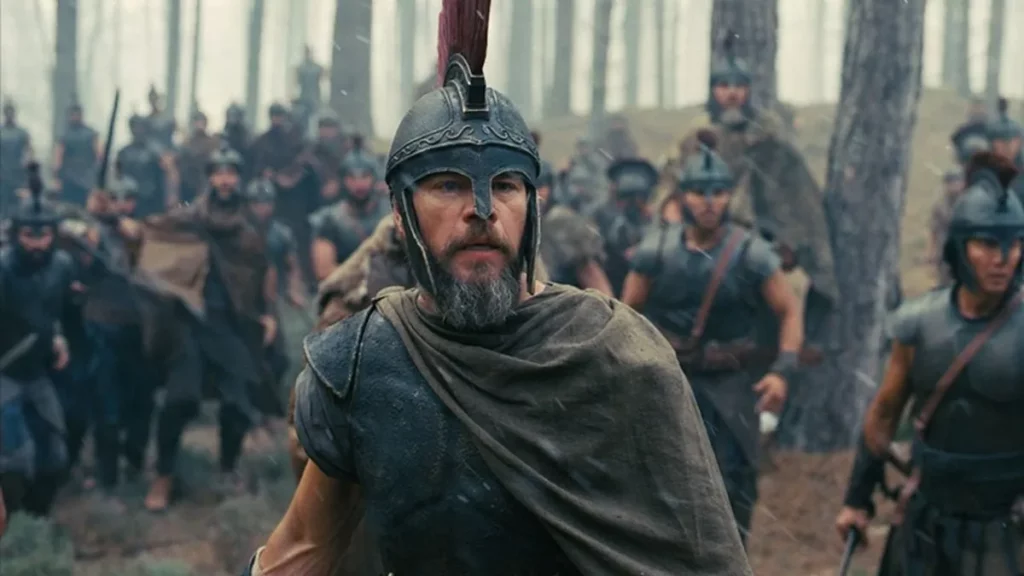
Odysseus:
His ego after defeating the Cyclops creates years of suffering.
Modern equivalent:
- needing to win every argument;
- humiliating someone instead of letting it go;
- showing off success;
- refusing criticism;
- destroying relationships to protect pride.
Lesson: Intelligence can create success, but ego can destroy it.
6. Home is earned twice
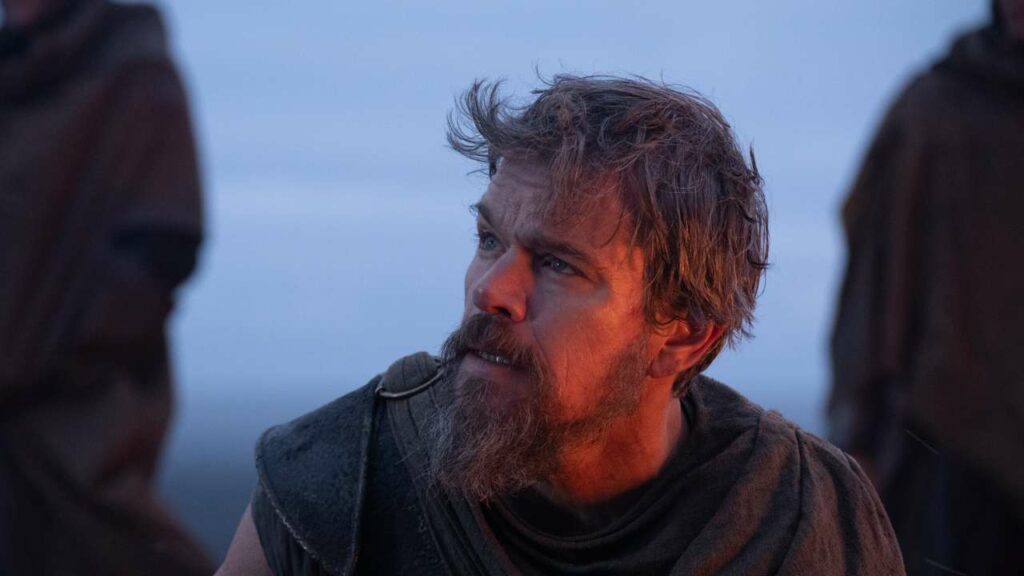
Odysseus: He leaves as one person and returns transformed.
Modern equivalent:
A person leaves home to:
- study;
- build a career;
- migrate;
- explore the world.
But eventually asks:
“What kind of life am I building?”
Home is not only where you started.
It is where your values, relationships, and identity align.
Lesson: The goal is not just to arrive somewhere. It is to become someone who belongs there.
7. Freedom requires discipline
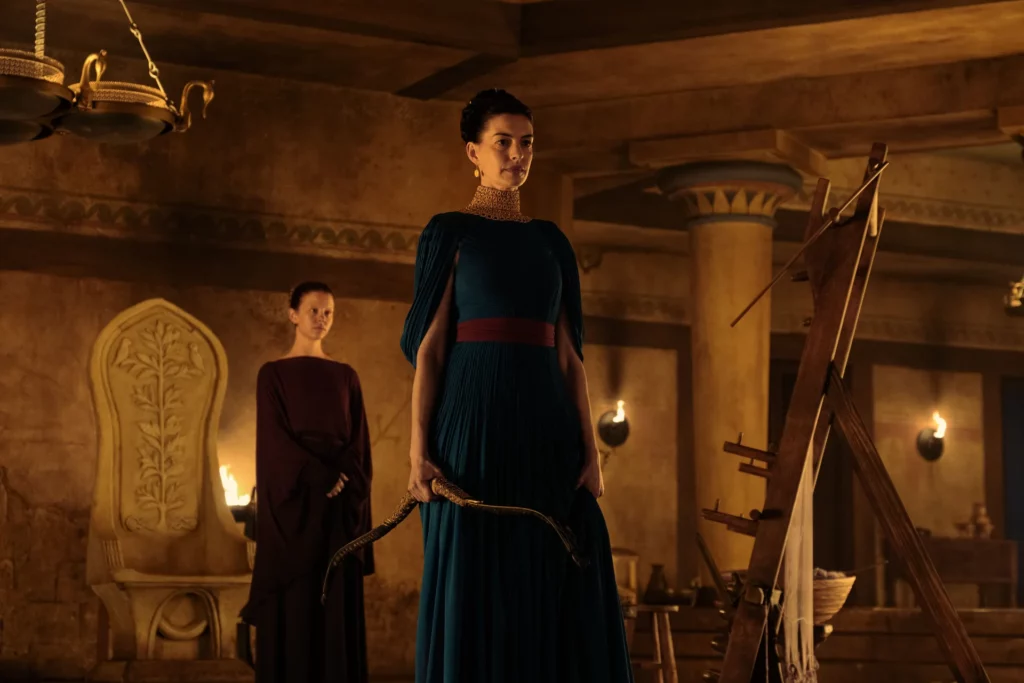
Odysseus:
He ties himself to the mast because he knows temptation is stronger than willpower.
Modern equivalent:
- deleting addictive apps;
- automating savings;
- creating routines;
- avoiding destructive environments;
- choosing your friends carefully.
Lesson: Real freedom comes from controlling yourself, not from having unlimited options.
8. Good companions matter
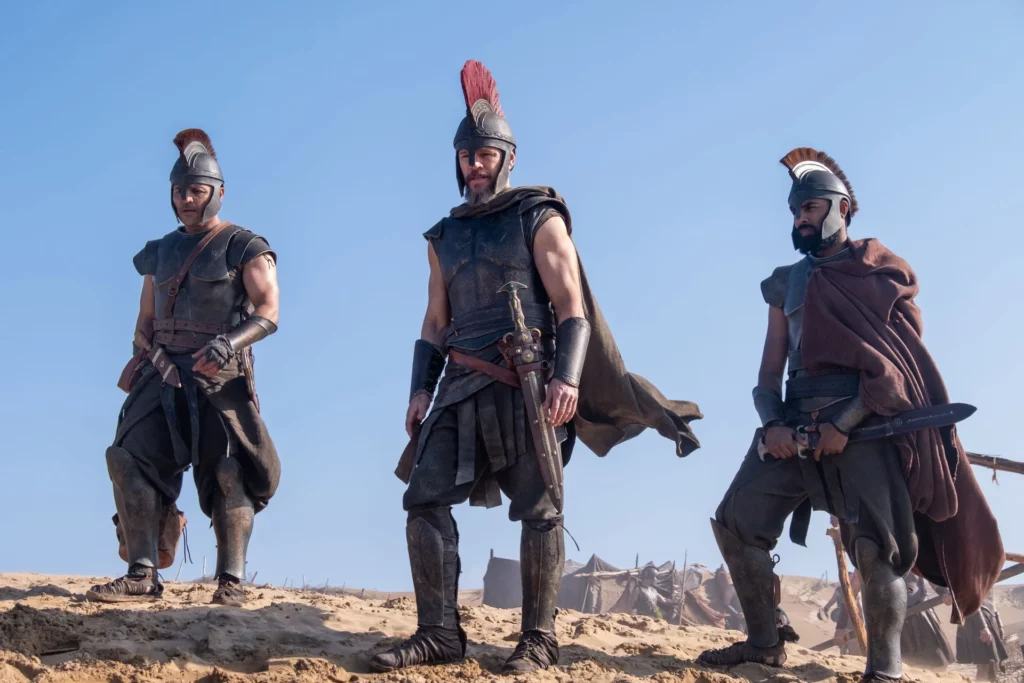
Odysseus:
His crew influences his fate.
Modern equivalent:
Your environment shapes you:
- friends;
- spouse;
- colleagues;
- mentors;
- online communities.
The wrong people normalize bad decisions.
The right people expand your possibilities.
Lesson: You do not only choose your path. You choose who walks it with you.
9. There are no perfect choices
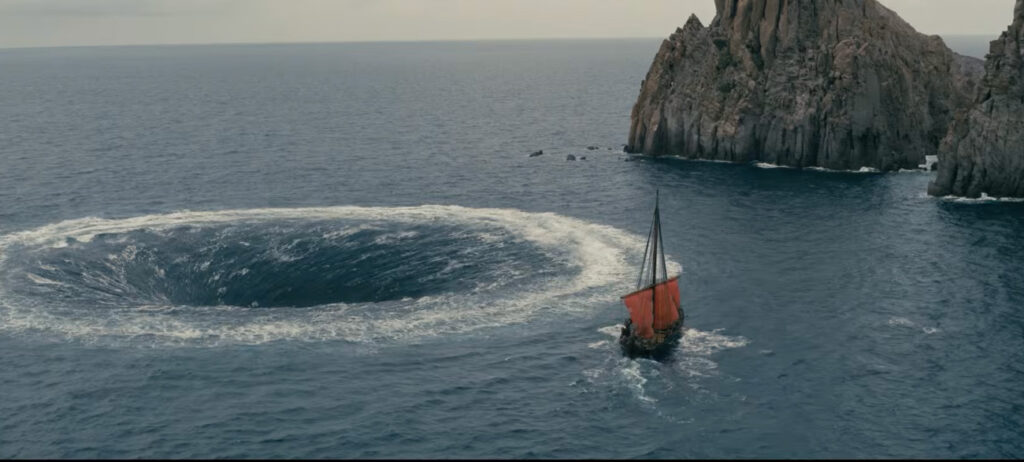
Scylla and Charybdis
Modern equivalent:
- choosing between money and freedom;
- choosing between stability and adventure;
- choosing between two imperfect opportunities;
- balancing family and ambition.
Life often gives you trade-offs, not perfect solutions.
Lesson: Wisdom is not avoiding difficult choices. It is making them consciously.
10. Mortality gives life meaning
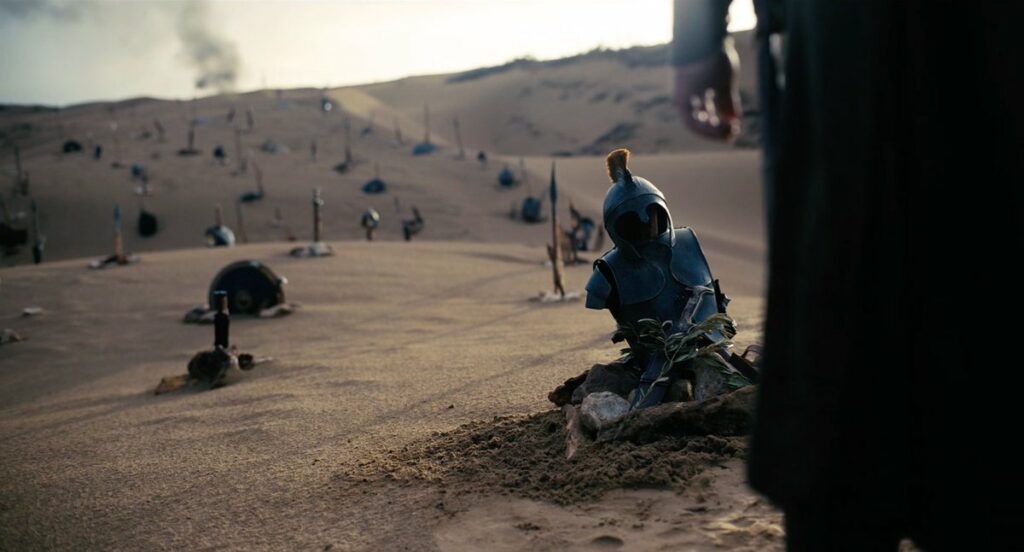
Odysseus refuses immortality.
Modern equivalent:
A person realizes:
- time with family matters;
- experiences matter;
- relationships matter;
- creating something meaningful matters.
An endless life without meaning is not necessarily a good life.
Lesson: Limits give value to our choices.
11. The greatest danger is losing yourself
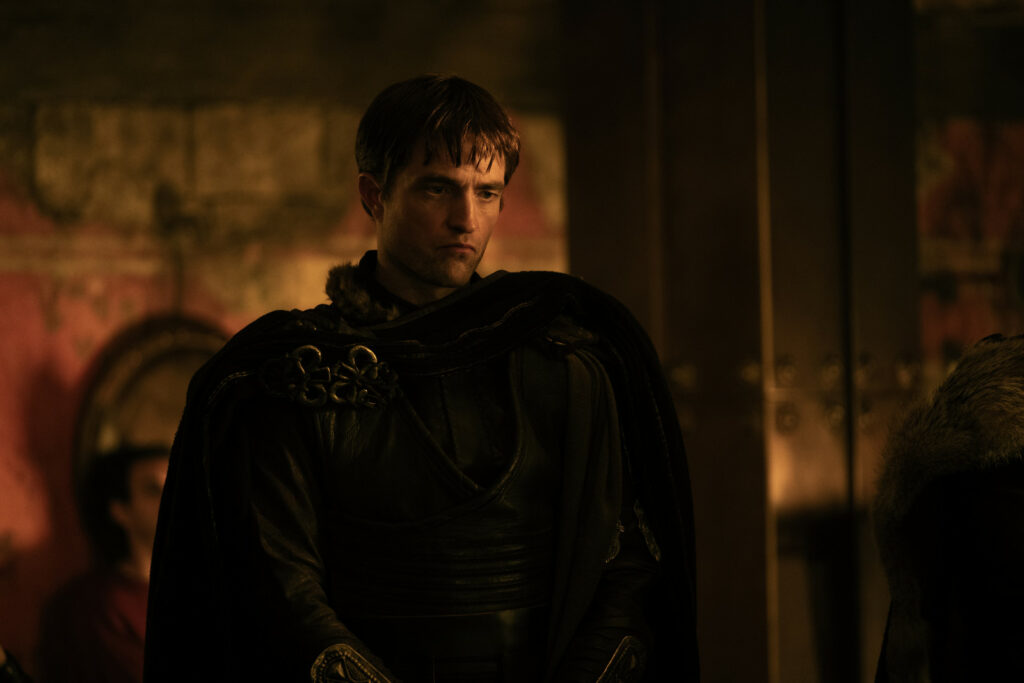
The final lesson of the Odyssey : The monsters are not only external.
The real dangers are:
- forgetting your purpose;
- becoming controlled by desire;
- choosing comfort over meaning;
- letting ego control you;
- abandoning your values.
The modern monsters are not dragons or giants.
They are:
- distraction;
- fear;
- addiction;
- status games;
- comfort;
- resentment;
- living someone else’s life.
OUR SPONSOR OF THE DAY : NEONNIGHT.FR
Final lesson:
The greatest achievement is not surviving the world. It is moving through the world without allowing it to take away the person you intended to become.
That is why The Odyssey still feels modern: every generation faces the same journey, only with different monsters.
The greatest adventure is the journey of losing the person you thought you were, discovering who you truly are, and returning transformed without losing what matters most.
In the context of The Odyssey, “what matters most” is not a fixed list of things. It is what remains after all the distractions, temptations, and false identities have been stripped away.
For Odysseus, it is not:
- glory from the Trojan War;
- immortality with Calypso;
- pleasure;
- endless adventure;
- being remembered as the greatest warrior.
The journey is not to remain who you were, but to shed what is false, discover what matters, and become someone you can truly call yourself.


GIPHY App Key not set. Please check settings