
 dudeoi
Released in 2026, Obsession is a horror film directed by Curry Barker that is the most profitable horror movie of the century and still going strong.
In this article, we will analyze why this movie had all the ingredients to blow up.

OUR SPONSOR OF THE DAY : NEONNIGHT.FR

The plot
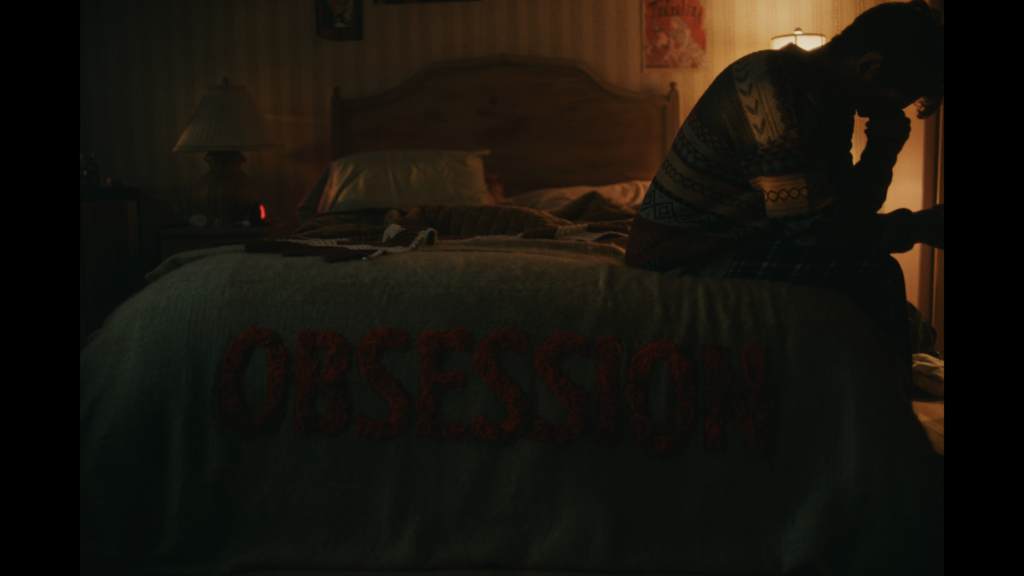
A man’s desire for love becomes a nightmare when his obsession turns into something far beyond his control. The film explores the dangerous line between affection, desire, and possession.
Why horror film?
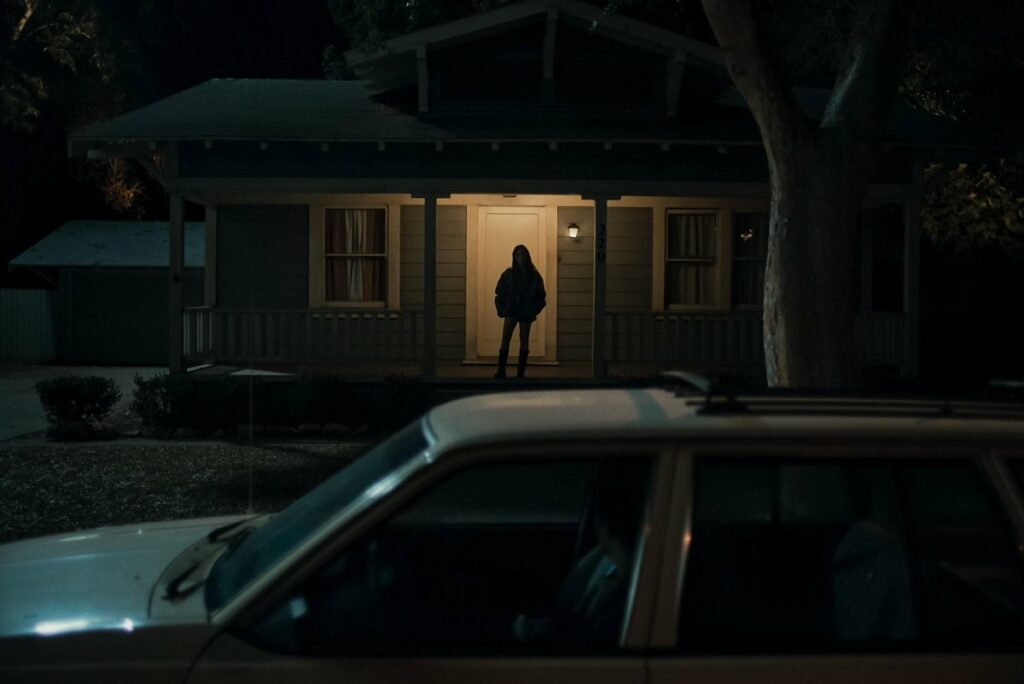
Horror films have traditionally been one of the most cost-effective ways to create intense and emotional cinematic experiences. Before the rise of AI, science fiction was often among the most expensive and complex genres to produce, requiring large budgets for visual effects, world-building, and futuristic concepts.
Humans are always the real subject
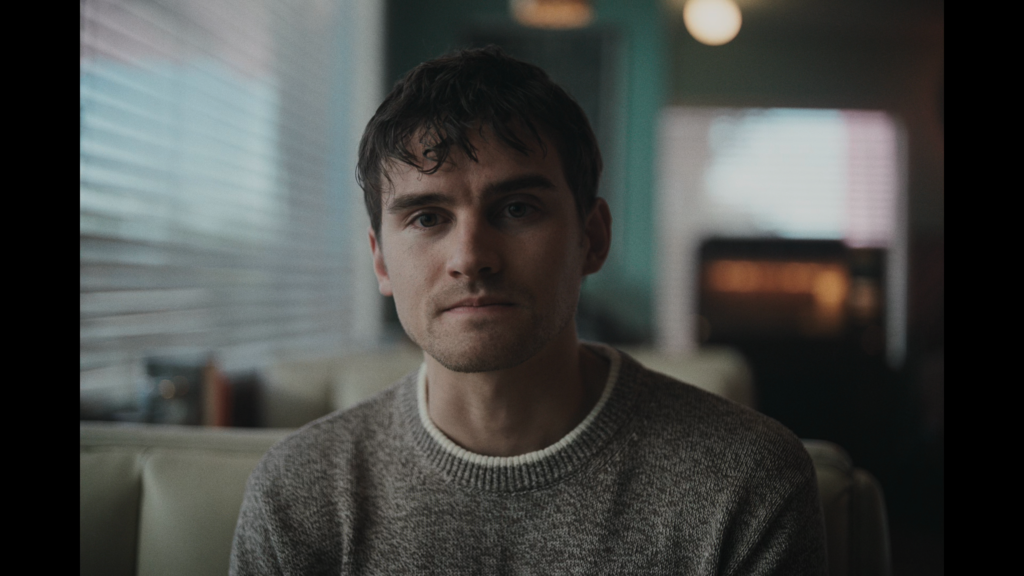
People, society, and human behavior have always been among the most fascinating subjects because we are naturally drawn to understanding ourselves better. Stories about human experiences allow us to explore complex emotions from a safe distance while recognizing universal behaviors that make characters feel authentic and relatable.
What makes Obsession so unique and compelling?
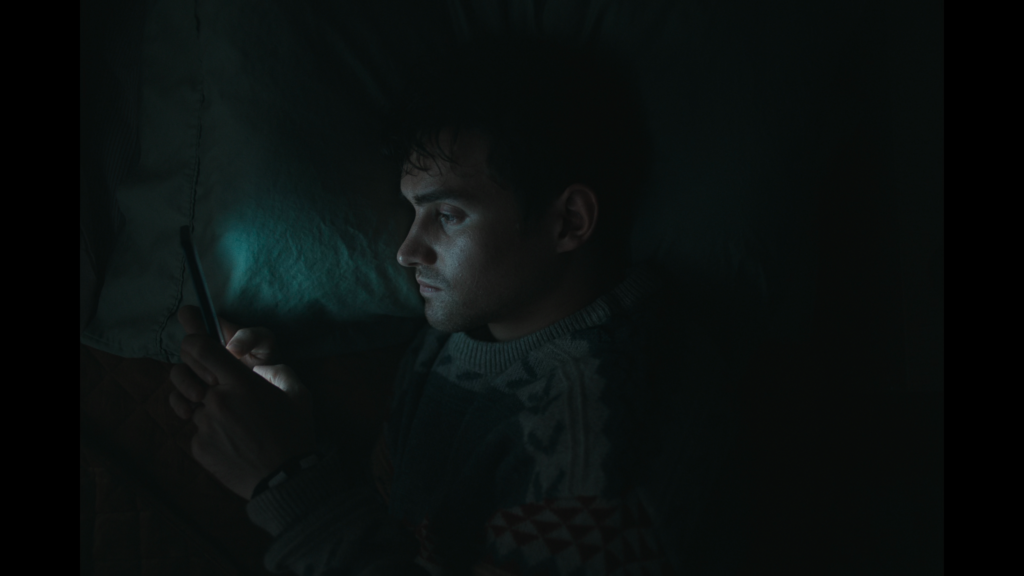
Obsession arrived in a time when short-form content and endless scrolling have reshaped the way audiences interact with stories. Unlike viewers in the 1990s, modern audiences are surrounded by an overwhelming amount of choice, making instant gratification and constant stimulation the norm.
While cinema offers a rare opportunity to disconnect and focus for two hours, today’s viewers bring different expectations into that experience. A film must immediately capture attention, sustain emotional engagement, and justify every moment of concentration in an age where boredom is only one swipe away.
A perfect mix of legibility and unexpected

The horror genre is built around a set of established rules designed to create fear, tension, and jump scares. However, these techniques have become familiar to audiences over time. While they can still be effective, they are no longer enough on their own to create a truly original experience that convinces people to spend money and see a film in theaters.
Obsession succeeds because it combines familiarity with unpredictability. It explores universal human themes—autonomy, love, youth, obsession, and control—that are immediately understandable, while constantly subverting the audience’s expectations.
In many ways, it applies the same attention mechanics that make short-form content so addictive: creating anticipation, building tension, and delivering unexpected outcomes. But instead of relying on a simple twist or visual surprise, the film uses these techniques through character development, psychology, and storytelling, transforming a familiar mechanism into a richer cinematic experience.
Ideas and Concepts Taken to the Extreme
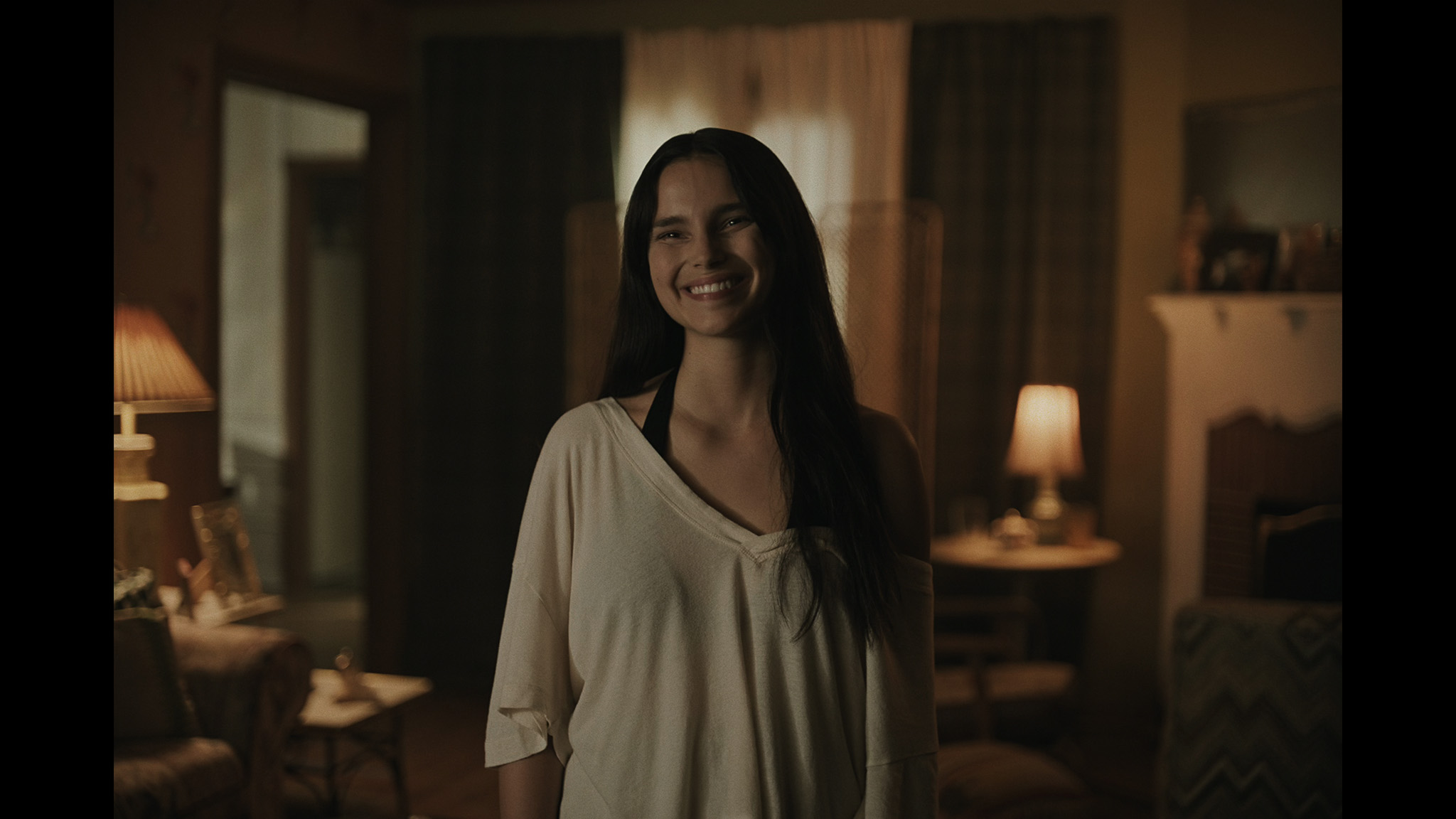
The concept of someone loving you too intensely or trying to control you is universally recognizable. Most people have encountered these behaviors, either personally or through observing relationships, particularly during teenage years when emotions and attachment can become intense.
By amplifying these familiar anxieties and pushing the desire for connection and control to an extreme, Obsession creates a uniquely disturbing type of horror. It is frightening not because it feels impossible, but because it feels like a distorted version of something we already understand.
Ultimately, Obsession feels like a twisted mirror reflecting humanity back at itself. By taking ordinary emotions and behaviors and pushing them to their most extreme and uncomfortable limits, the film creates a sense of unease that goes beyond traditional horror. What makes it disturbing is not that it feels completely foreign, but that it feels like an exaggerated version of something we already recognize.
Keeping the story tense and ambiguous
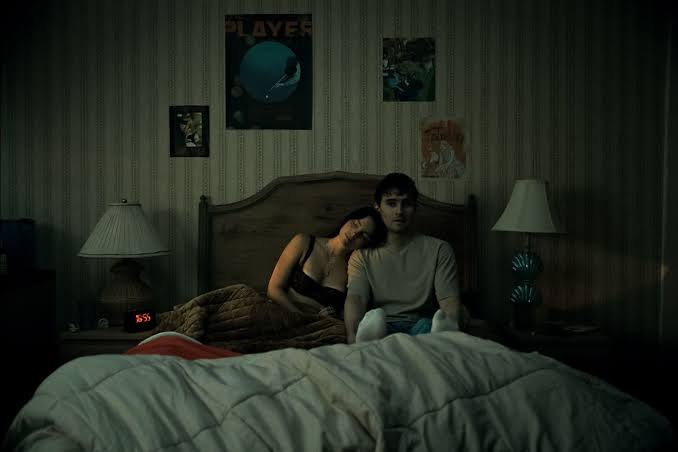
One of the film’s greatest strengths is its ability to maintain tension through ambiguity. Until the final moments, the audience is never fully certain about the interpretation that holds the entire story together.
Bear’s excessive use of medication raises doubts about the reliability of his perception, making us question whether we are witnessing reality or a distorted version of it. At the same time, the film constantly challenges us to decide who is more unsettling between Bear and Nikki. By refusing to offer easy answers, Obsession keeps viewers engaged and psychologically involved until the end.
Creating Discomfort Through Unusual Choices
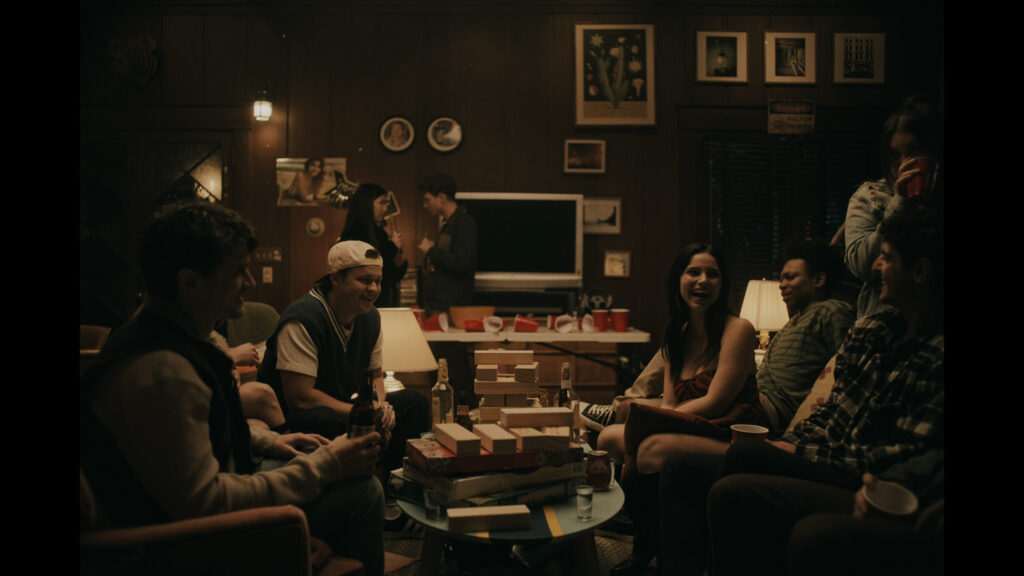
One of the most interesting aspects of Obsession is how its relatively low budget becomes part of its identity. Rather than hiding its limitations, the film embraces a raw and experimental style that gives it a unique atmosphere. This creates a strange sense of tension—one that often feels awkward, unpredictable, and intentionally uncomfortable.
From the very beginning, scenes involving the cats and Bear’s social awkwardness are shaped by editing choices that feel slightly unnatural. The unusual rhythm, pauses, and pacing create a subtle discomfort that pulls the viewer into Bear’s unsettling perspective.
The characters unpredictability
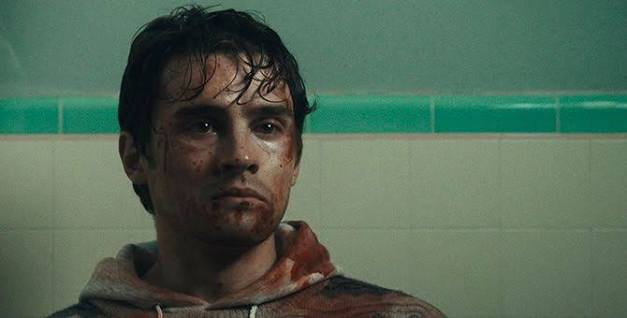
One of the film’s most intriguing choices is the unstable nature of its characters. Whether intentional or not, Bear is written as a deeply contradictory character. He moves between insecurity, social awkwardness, and self-doubt, while occasionally displaying moments of unexpected confidence and clarity. This contrast makes him feel almost impossible to predict, as if his personality changes depending on the situation.
Nikki reflects a similar uncertainty. Her struggle between external control and her own will creates constant tension, leaving the audience unsure whether she will surrender to her impulses or fight to regain control. Both characters contribute to the film’s unsettling atmosphere because neither of them behaves in a completely predictable way.
A story that holds together logically
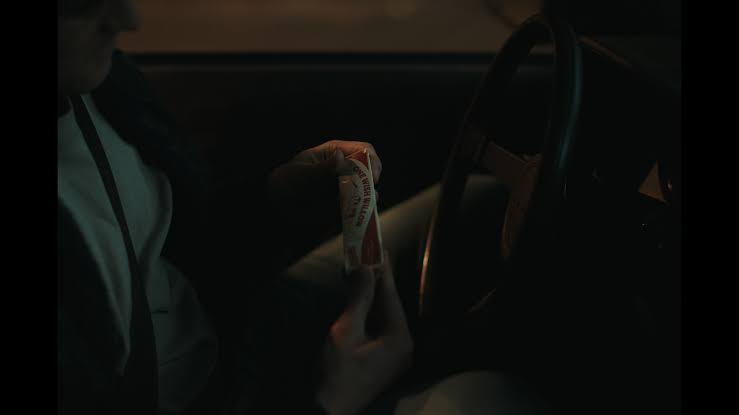
Perhaps the most important element of the film’s success is its internal consistency. While the story may follow unfamiliar patterns and its characters’ trajectories can sometimes feel unpredictable, the script maintains a clear logic that prevents the audience from losing immersion.
A story does not need to be realistic to feel believable. What matters is that it respects the rules it creates for itself. The supernatural element surrounding Willow’s wish works because the film establishes understandable boundaries and consequences, making even the most unrealistic events feel coherent within its own universe.
The power of small details
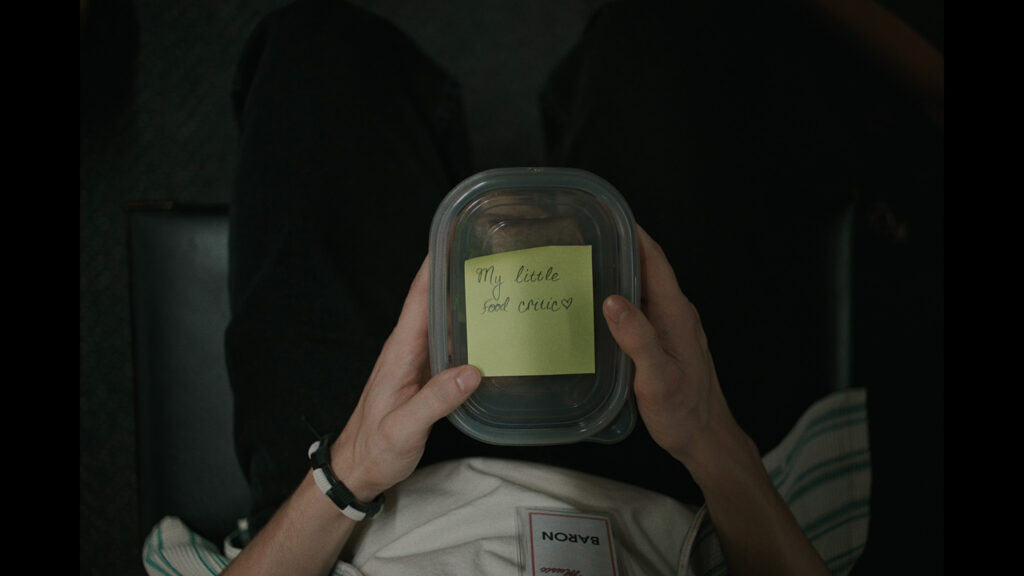
The film’s strength also lies in its attention to small details. Whether it is the possibility that Bear manipulated the situation with his cat to gain Nikki’s sympathy, or the use of mirrors and reflections as visual symbols of Nikki’s awakening, these subtle elements help build a deeper internal structure within the story.
These details create connections between the characters’ actions, emotions, and the film’s themes, making the world feel more coherent and intentional. They transform what could have been a simple horror premise into a more layered psychological experience.
These details also leave room for audience interpretation, allowing viewers to build their own theories around the events of the film. One possible interpretation is that Bear’s cat—perhaps the only being that truly loved him unconditionally—became the entity influencing or controlling Nikki. By leaving certain elements open to interpretation, the film invites discussion and creates a deeper connection with the audience.
The actors

No matter how strong the concept or the writing may be, a film ultimately depends on its actors to make the audience believe in its world. The success of these elements relies heavily on the performances of Inde Navarrette and Johnston, who bring depth, vulnerability, and authenticity to their characters, making even the most extreme situations feel believable.
The cinematography

The film’s cinematography is a textbook example of indie filmmaking: intimate, raw, and almost homemade in its execution. It never feels overly polished or visually artificial; instead, every choice serves the film’s purpose of creating discomfort, unease, and a lingering sense of tension.
Word of Mouth and Rewatch Value
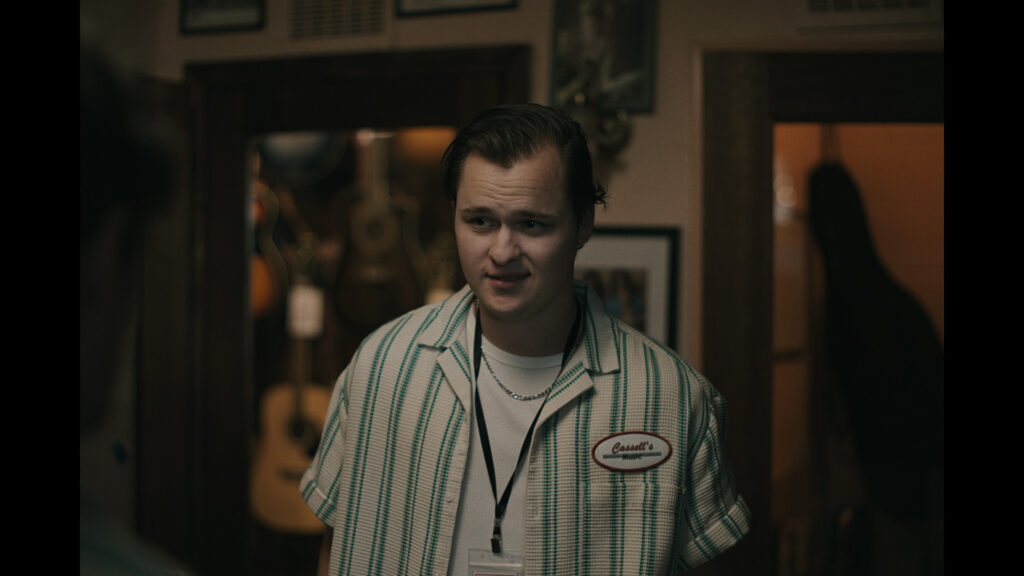
Word of mouth is often the final ingredient that transforms a good film into a cultural phenomenon. Marketing can introduce an audience to a movie, but genuine enthusiasm is what allows it to grow. People do not simply recommend films because they are technically well-made; they recommend them because they create an experience worth sharing. Whether it is a shocking moment, a unique concept, an emotional reaction, or a theory that changes the way the story is perceived, conversation is what keeps a film alive beyond its initial release.
Obsession benefits from this because it is not only a film to watch, but also a film to discuss. Its ambiguity, hidden details, and unpredictable character dynamics encourage viewers to revisit scenes and search for deeper meanings. This ability to generate new discoveries after each viewing creates stronger engagement and gives audiences a reason to bring new viewers into the experience.
OUR SPONSOR OF THE DAY : NEONNIGHT.FR
Conclusion
The premise of Obsession is extremely simple. It follows a familiar structure that can be compared to Aladdin and its magical genie: a character receives the opportunity to have their deepest desire fulfilled. However, instead of focusing on fantasy and wish fulfillment, Obsession explores the uncomfortable reality of what such a wish would look like when filtered through human insecurity, loneliness, and obsessive behavior.
What makes the film work so well is its ability to create a fresh and unique experience while still relying on familiar expectations. It uses recognizable storytelling elements to keep the audience engaged, but constantly reshapes them through unexpected choices, creeping us out, maintaining the tension and level of attention required by modern viewers.


GIPHY App Key not set. Please check settings