
 dudeoi
Living in Southeast Asia—or any tropical region—often feels like stepping into paradise: lush landscapes, vibrant cultures, and warm, sunny days.
But even paradise has its hidden costs. One of the less glamorous challenges of a hot, humid climate is the relentless presence of mosquitoes.
Their buzzing and bites can quickly turn an idyllic setting into a source of discomfort, reminding you that every paradise comes with its own unseen trials.


OUR TODAY SPONSOR : BOITEAMOUSTACHES.COM
A few facts about mosquitoes
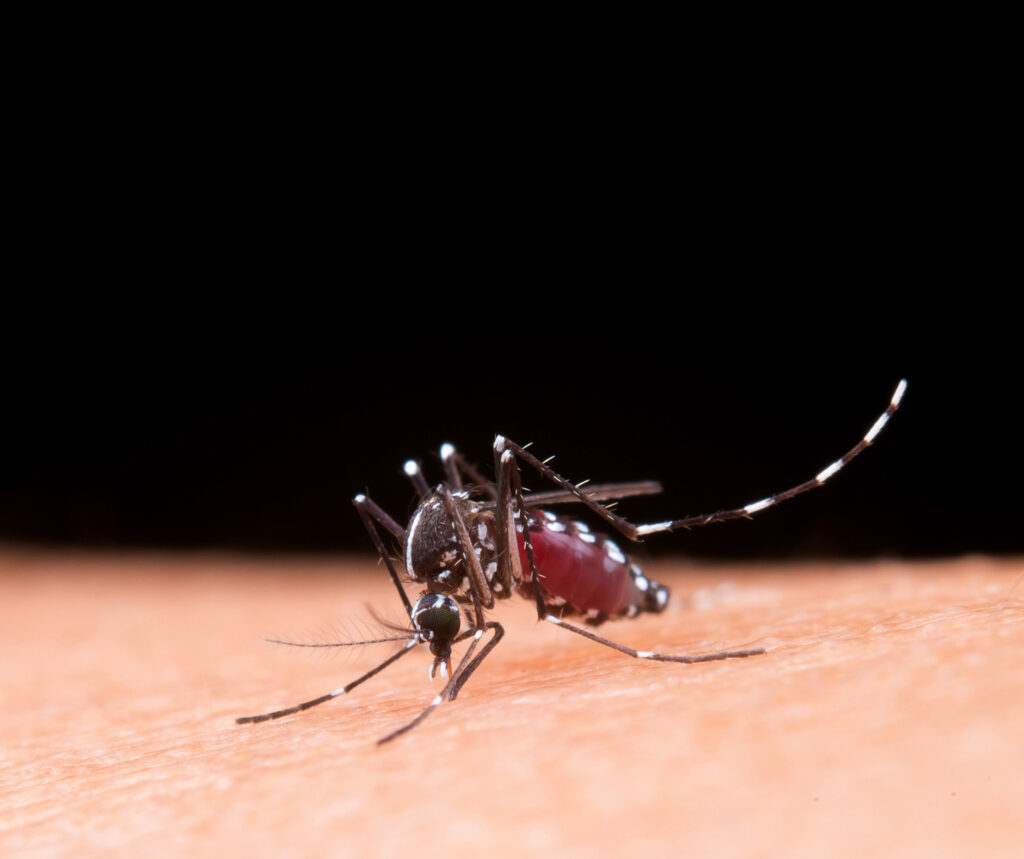
- Only female mosquitoes bite — they need blood to lay eggs.
- Mosquitoes are attracted to carbon dioxide, body heat, and body odor.
- They can sense humans from up to 30 meters away.
- Mosquitoes are responsible for transmitting diseases like dengue, malaria, and Zika.
- They breed in stagnant water, even in tiny amounts like a bottle cap.
- Mosquitoes are most active at dawn and dusk.
- Their lifespan ranges from a few days to a few weeks, depending on species and environment.
A few words on what started our war against mosquitoes

My wife and I have been working to transform a coffee space into both a livable area and a creative studio. What we needed was one large, open space—not divided by walls—which is surprisingly hard to find here in Hoi An.
One challenge we faced as new tenants was that the space was originally designed as an open area for hosting customers, not as a living environment.
This also means the space wasn’t specifically designed to be airtight; most cafés rely on repellents like diffusers or incense to manage insects.
How mosquitoes are perceived in Asia?

In general, people seem to coexist with mosquitoes, accepting them as part of the natural environment. While they do use repellents and bed nets, occasional bites don’t appear to bother them much.
For a clear example, most traditional Vietnamese homes I’ve seen are left wide open and without mosquito nets. Because it’s hot for much of the year, they rely on fans, which apparently do a good job of keeping bites at bay.
In more modern homes and apartments, the spaces are well sealed, and mosquitoes typically enter through an open window, a small drainage opening, or the common wall gaps left for AC cables. As a result, the number of mosquitoes inside is usually minimal, much like in Europe.
One important thing to note, however, is that stagnant water is everywhere in Asia. For instance, here in Hoi An, many rooftops use water containers to stabilize the structure during storms, creating ideal breeding grounds for mosquitoes that can reproduce by the thousands every single day.
How Westerners perceive mosquitoes?

In the West, mosquitoes are treated as pests—similar to rats or cockroaches—and people generally don’t want them near their living spaces. Most simply keep windows closed at night and use some form of repellent; very few go beyond that to actively combat them.
However, when faced with an infestation, Westerners tend to act swiftly and decisively to address the problem.
How to deal effectively and safely with mosquitoes?
This is no easy task, especially if you want to avoid toxic solutions like chemical diffusers or burning incense, which, while healthier than risking dengue, we believe are far from ideal for your health.
1. Seal the house
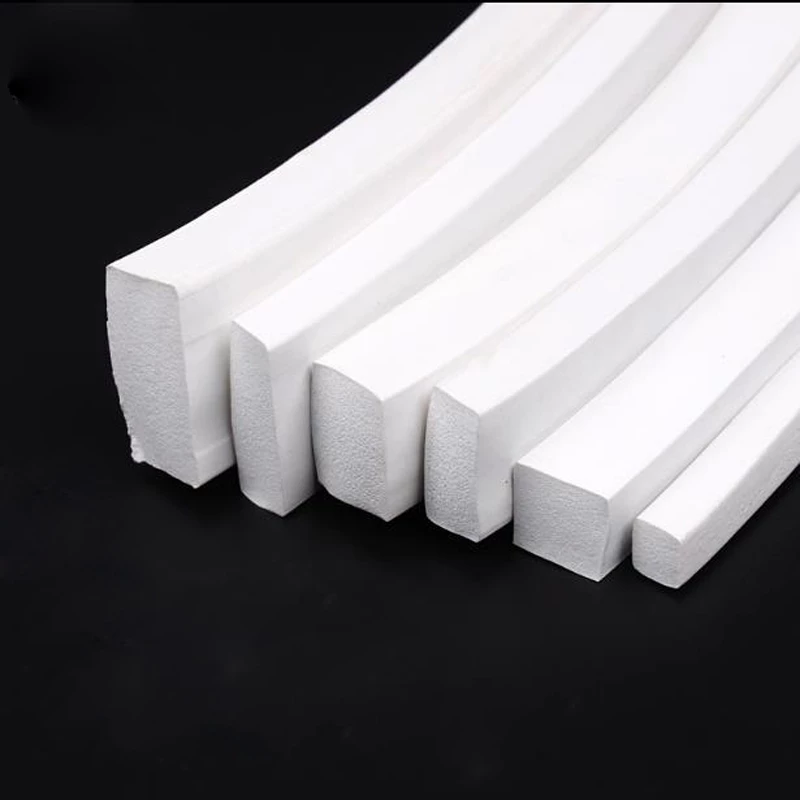
Since mosquitoes can sense you from up to 30 meters away—drawn by your sweat or exhaled CO₂—and just a few millimeters of gaps are enough for a swarm to enter, the first step is to seal your home.
While a perfect seal is nearly impossible, minimizing openings as much as possible creates the most significant barrier against them.
- Nets for open windows
- Foam to seal closed doors and windows
- Silicone for bathrooms ground
2. Create safe vital spots
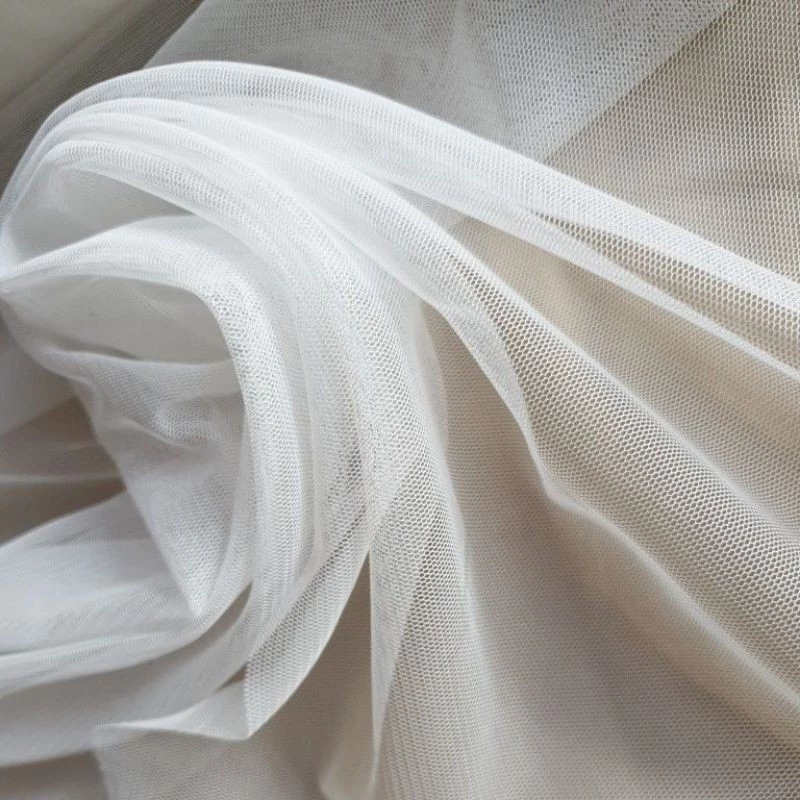
The bed is arguably the most crucial spot, since you can’t actively fend off mosquitoes while sleeping—and a good night’s rest means you don’t want to be disturbed.
- Mosquito nets that you fix on the walls
- Structured mosquito nets
For children, we also suggest getting an inexpensive tent that comes with built-in mosquito nets. Kids love it, and it doubles as a safe play area.
- Camping Tent
3. Get rid of any stagnant water around your home
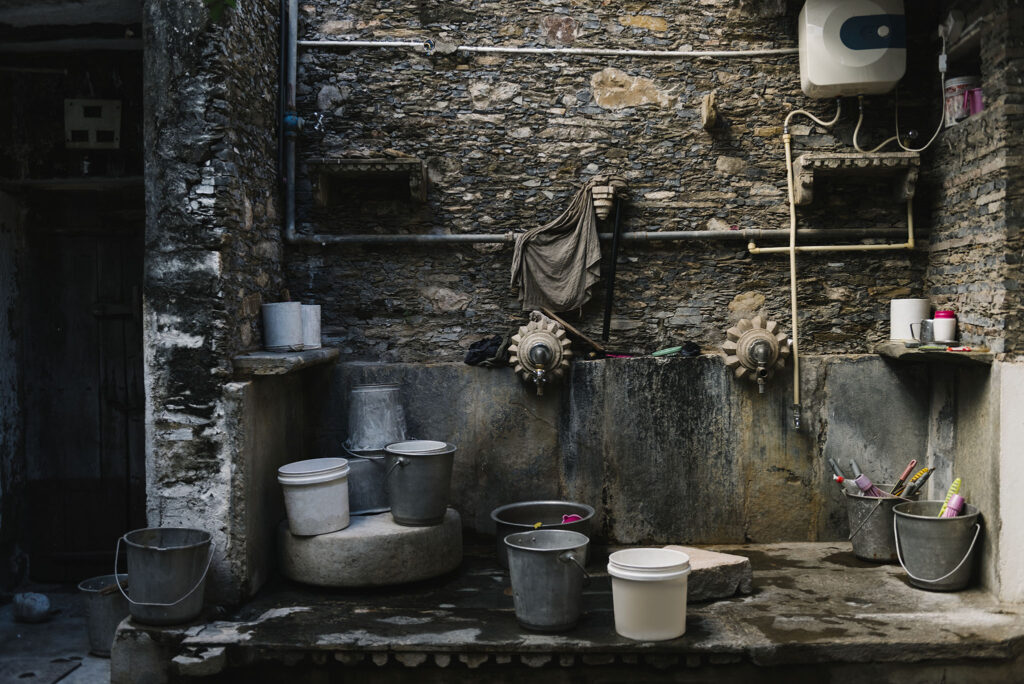
This step is arguably the most crucial, as it tackles the problem at its source. By targeting the breeding sites, you’re essentially shutting down the mosquito “factories” before they can respawn.
- Pools
- Vase
- Ponds
- Water buckets
4. Use some tool to defend yourself
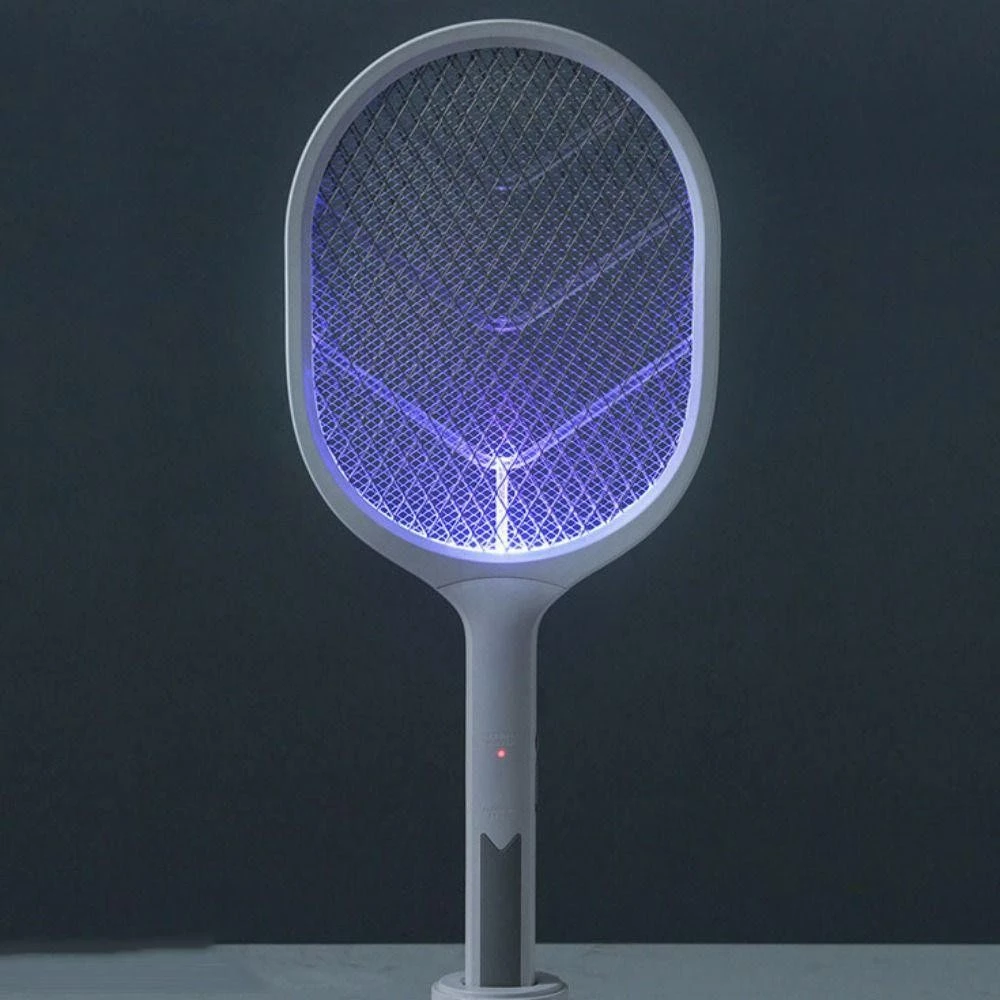
Most people are used to clap mosquitoes between their hands but this technique in all honesty is poorly effective compare to using an electric racket which is very inexpensive.
The idea is not just to defend yourself when a mosquito flies near you but to go to their nest and get rid of them by the hundreds.
Mosquitoes often linger in damp clothes and are drawn to dark fabrics. Shoes left outside, drying laundry, and clothes closets are all favorite hiding spots for them. Shake it and let the racket do the firework.
5. Use fans, cool or dry the air
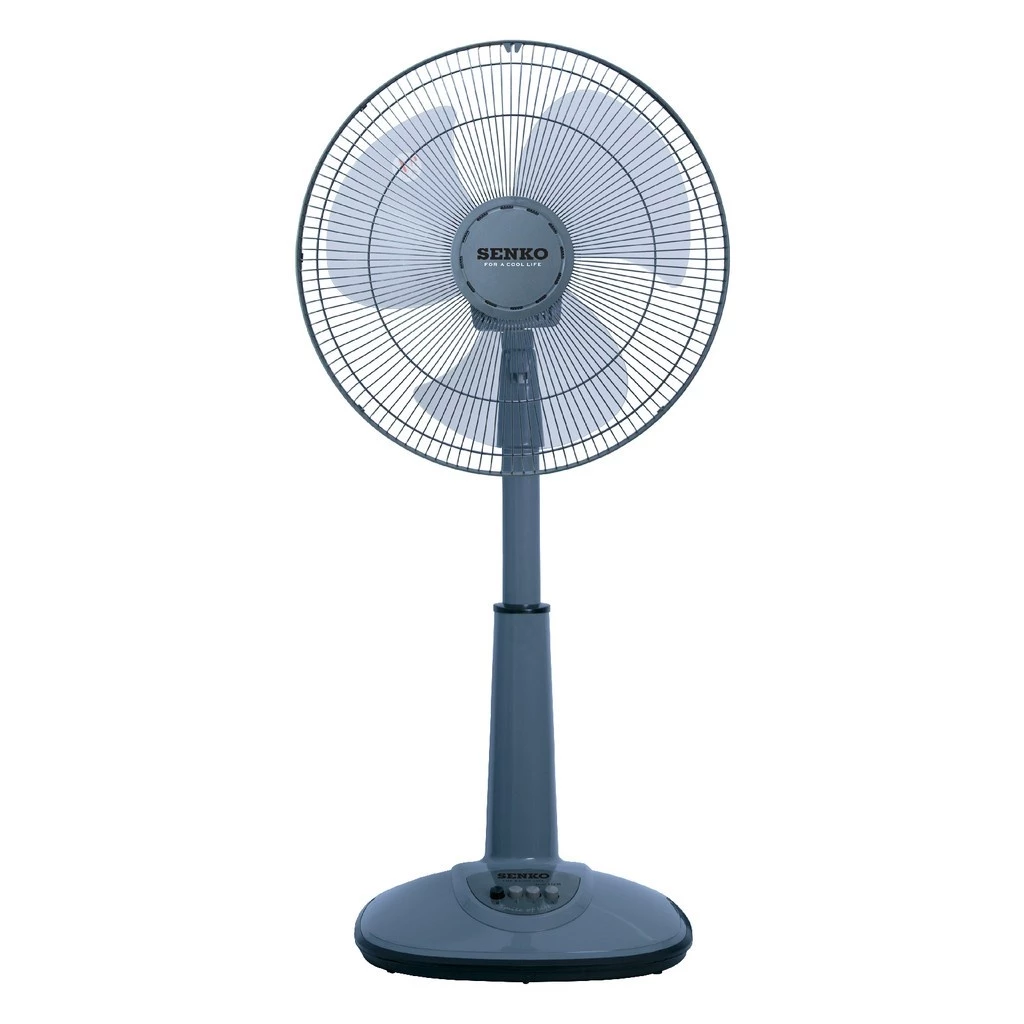
Using fans is one of the simplest ways to reduce mosquito activity indoors. The constant airflow makes it difficult for mosquitoes to fly and approach you, creating a safer space to work, sleep, or relax. Even a small desk or ceiling fan can make a noticeable difference.
Keeping the air cool also helps. Mosquitoes are less active in cooler temperatures, so running an air conditioner or keeping windows slightly open with cross-ventilation can discourage them from lingering in your living space.
Drying the air is another effective step. Mosquitoes thrive in humid environments, so using a dehumidifier can reduce moisture levels and make your home less attractive to these pests. Combining fans, cool air, and dryness gives you a strong multi-layer defense against mosquitoes.
6. Place some traps

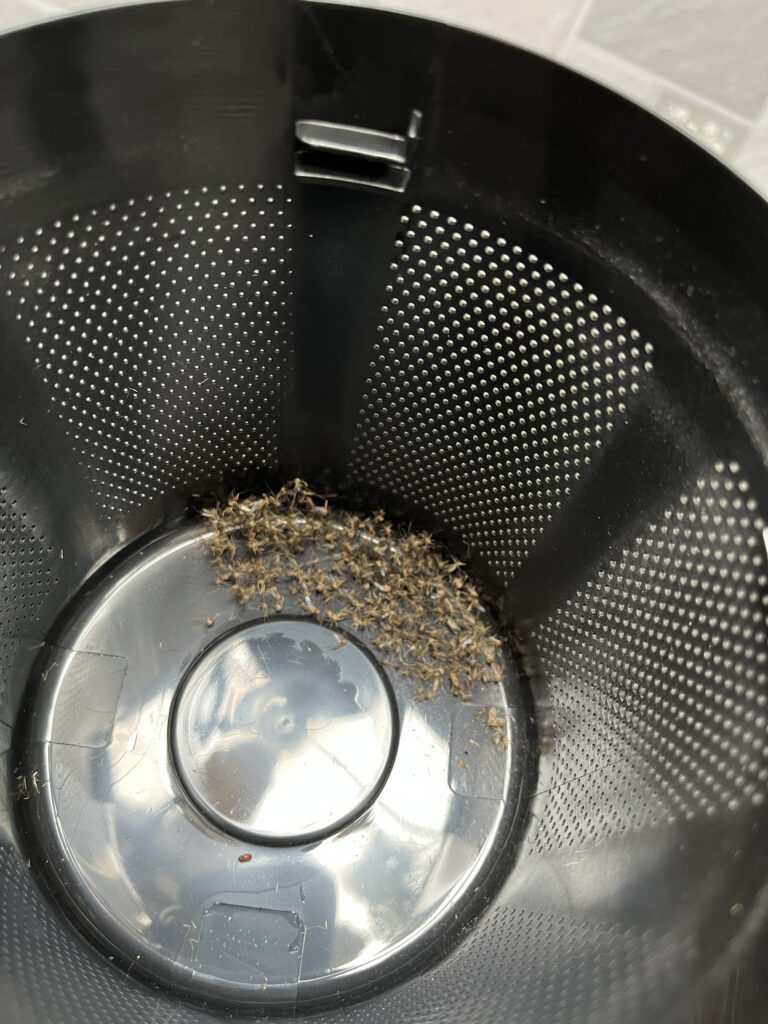
Nowadays, electric rackets often feature violet or ultraviolet lights that attract insects, including mosquitoes, though the downside is the occasional loud zap at night.
There are also dedicated UV lamp traps that lure mosquitoes, keeping them contained until they eventually die.
CO₂ traps work by generating carbon dioxide—usually with a mixture of yeast and sugar—inside a trap that mosquitoes can enter but cannot escape from.
7. Use some natural repellents
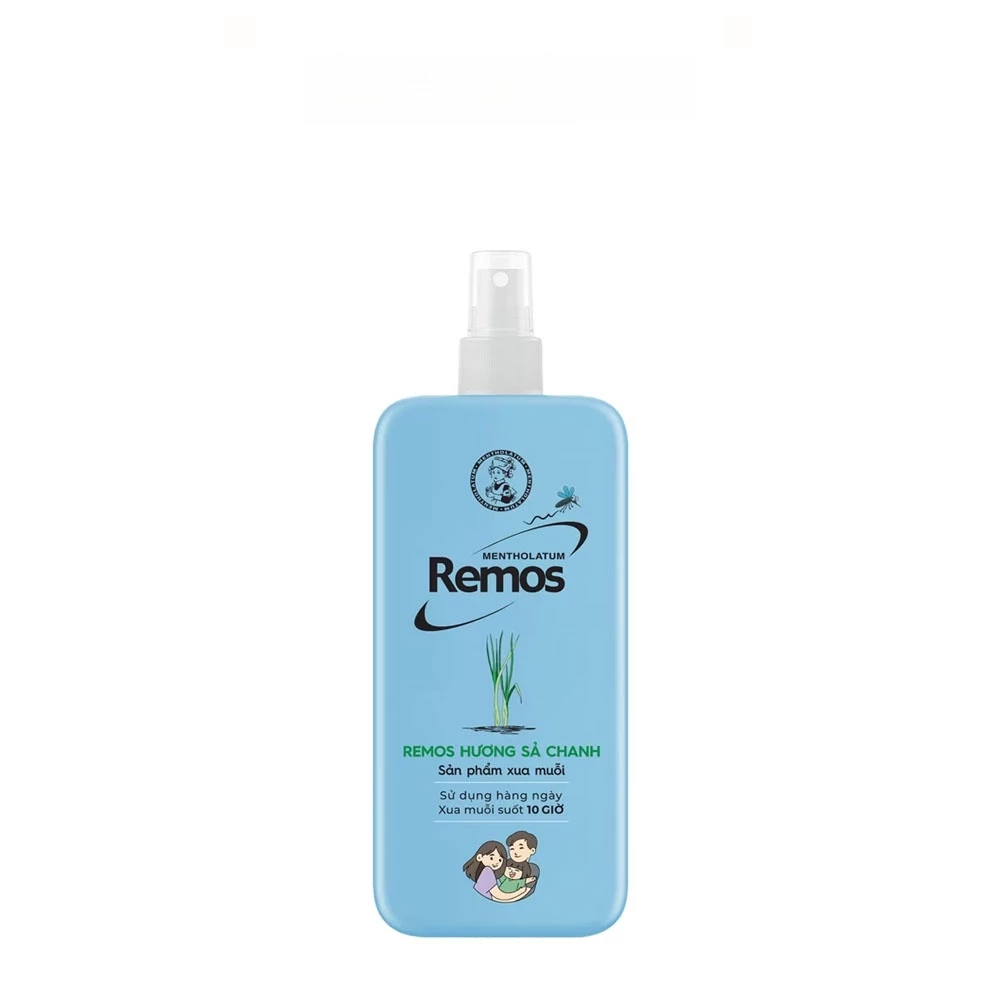
Some trees naturally repel mosquitoes, and many insect sprays are formulated using the same compounds these plants produce. Incorporating such plants around your living space can act as a gentle, chemical-free deterrent, complementing other mosquito control measures.
Here’s a concise list of natural mosquito repellents:
- Citronella (lemongrass)
- Neem
- Eucalyptus
- Lavender
- Peppermint
- Basil
- Catnip
- Marigold
These can be grown as plants or used as essential oils/sprays.
We personally prefer to avoid those as well and only use them when going outside.
OUR TODAY SPONSOR : BOITEAMOUSTACHES.COM
Extra Tips
In our case, most mosquitoes appeared to enter the house during periods when we ventilated the space. Installing a window net and using fans to circulate and refresh the indoor air seems to eliminate nearly all of them—likely removing around 99% of mosquitoes.
Don’t hesitate to place the trap near your home’s entrances to intercept mosquitoes before they have a chance to get inside.
Conclusion
Mosquitoes, after other humans, are the greatest predator of our species. This makes taking action to keep them out of our living spaces not just a choice, but a responsibility.
Admittedly, this is no easy task—especially in South East Asia—but it is manageable. Ultimately, it’s about restoring a safe, comfortable environment where you can focus on everything else, free from bites, irritation, and the constant nuisance they bring.
We can only improve the situation to the best of our ability and then accept that a few of them may find their way to our blood, after all they are one of the most resilient species on earth.


GIPHY App Key not set. Please check settings