
 dudeoi
Black Swan, directed by Darren Aronofsky, explores the pursuit of perfection and the unavoidable encounter with the shadow.
This article examines why this process depicted by Carl Jung is necessary and why it can be dangerous and destructive.

OUR SPONSOR OF THE DAY : NEONNIGHT.FR

Quick plot

Nina, a highly disciplined ballet dancer in New York, is chosen to perform the lead role in Swan Lake, a demanding part that requires embodying both purity and darker, more instinctive qualities.
While she excels in technical precision, she struggles to access the emotional and expressive side of the role. As pressure builds—from the director, her environment, and herself she begins pushing beyond her limits to achieve perfection.
The film follows her journey as she tries to transform into the role, navigating ambition, competition, and the challenge of becoming something she has never been before.
The themes
1. Perfectionism & Self-Destruction

Nina is obsessed with being perfect.
- rigid
- controlled
- technically flawless
But: perfection becomes a form of violence against herself
Theme: the pursuit of perfection can destroy the person pursuing it
2. Duality (White Swan vs Black Swan)
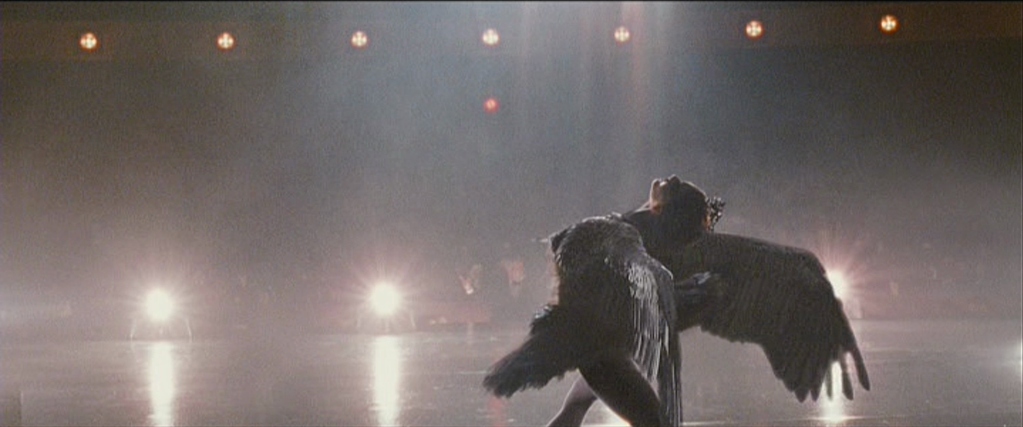
The core of the film is:
- White Swan → innocence, control, purity
- Black Swan → instinct, sensuality, chaos
Nina can do one but not the other.
Theme: true mastery requires integrating opposites
3. Identity Fragmentation

Nina starts losing the boundary between:
- who she is
- who she needs to become
Hallucinations, mirrors, doubles…
Theme: becoming something new can fracture your sense of self
4. Repression vs Release

Nina is:
- controlled by her overbearing mother
- emotionally repressed
- sexually blocked
To become the Black Swan, she must:
- let go
- access instinct and desire
Theme: growth requires confronting and releasing suppressed parts of yourself
5. Control vs Surrender
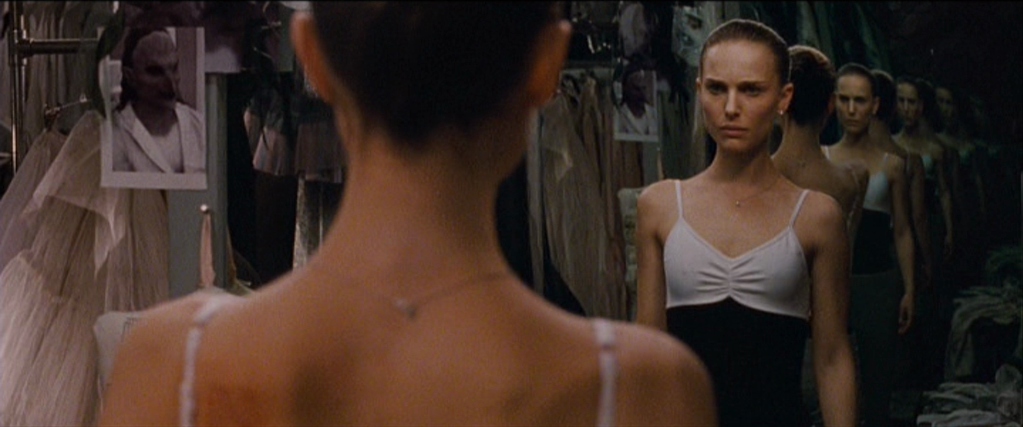
Her whole life is built on:
- discipline
- precision
- control
But the role demands: surrender, fluidity, unpredictability
Theme: mastery is not just control it’s knowing when to let go
6. Lily vs Nina
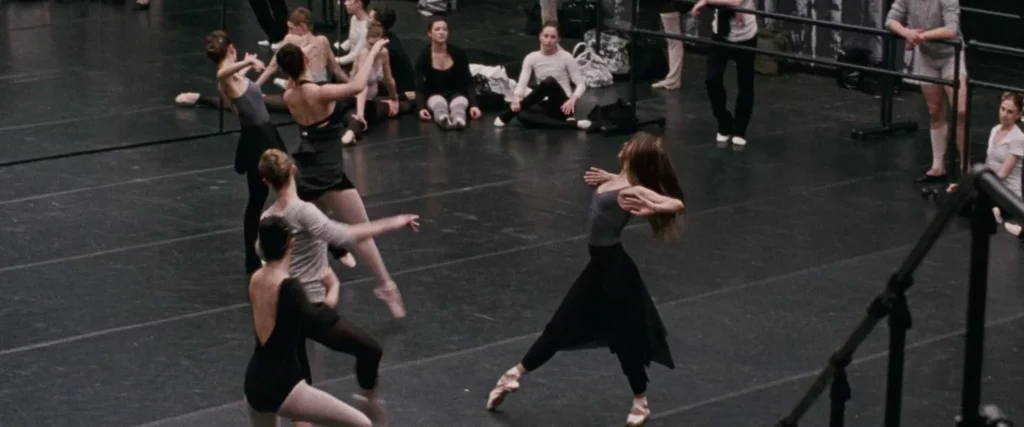
In Black Swan, Nina is built on:
- discipline
- precision
- control
But what she encounters in Lily is:
- spontaneity
- ease
- instinct
Lily appears less divided internally, therefore more genuine
Theme: what appears as “naturalness” is often what the self cannot yet integrate mastery is not only control, but the ability to embody what has been repressed without fracturing the self.
7. The Cost of Transformation
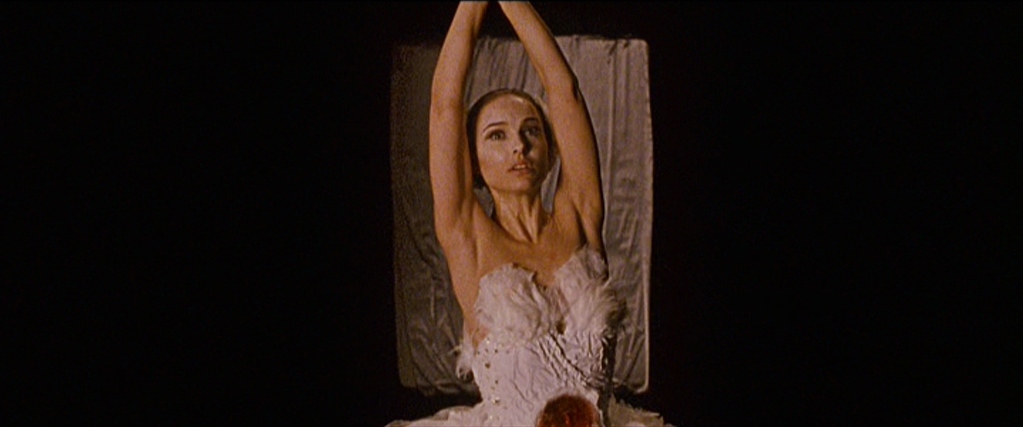
Nina does achieve perfection in the end.
But:
- it costs her identity
- her sanity
- ultimately her life
The famous line:
“I was perfect.”
Core idea
Black Swan is about the danger of pursuing perfection without integration—when control is pushed too far, it fractures the self instead of elevating it.
Why Individuation Pulls You Away from the Collective
In the context of Black Swan, individuation pulls you away from the collective because becoming “whole” requires breaking the roles the collective assigns you.
1. The collective in Black Swan
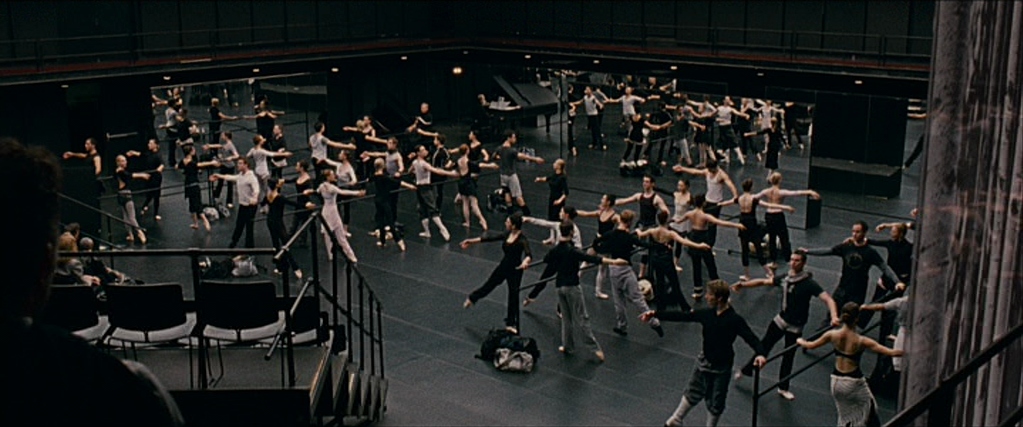
The “collective” here is:
- the old vision of ballet that Nina holds
- Nina’s mother and her controlled environment
- the majority of society
It rewards:
- obedience, precision, purity, predictability
Nina fits this perfectly at the start.
2. What individuation actually means here
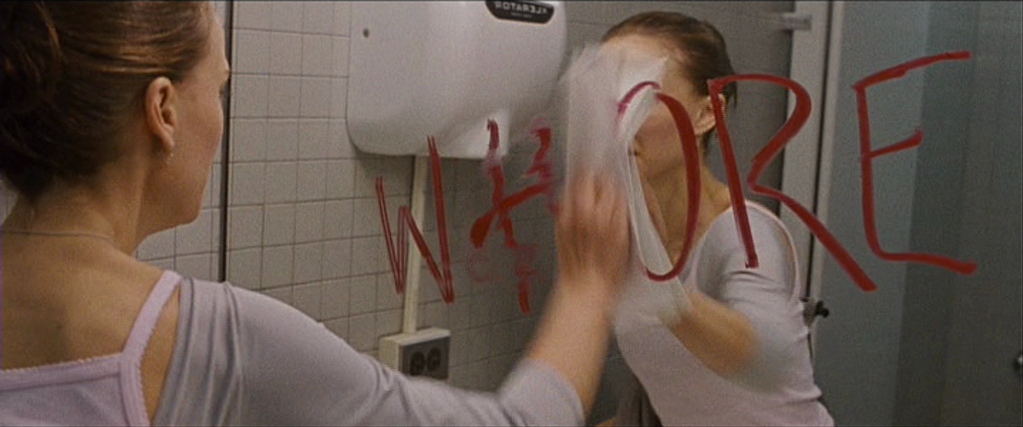
In a Jungian sense, individuation is:
becoming a complete self, not just a socially assigned role
For Nina, that means:
- not only being the “White Swan” (control, innocence)
- but also integrating the “Black Swan” (instinct, sexuality, chaos)
3. Why this creates separation

The moment Nina starts individuating:
- she becomes unpredictable
- she stops fitting the ideal role
- she behaves outside the system’s expectations
And the collective cannot fully contain that.
Because: systems prefer stable roles, not evolving identities
4. The deeper tension
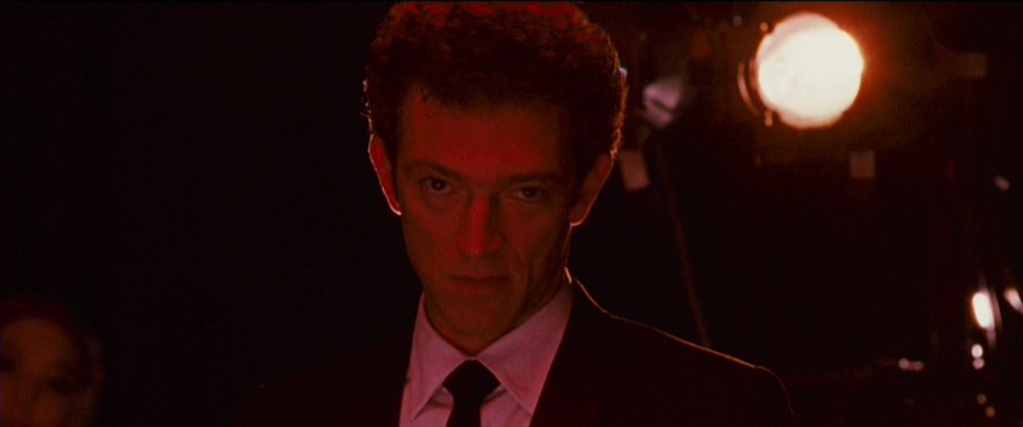
Individuation requires:
- breaking internal rules
- challenging external expectations
- accessing suppressed parts of the self
But the collective: depends on those rules staying intact
So the two naturally diverge.
5. The tragedy of Nina
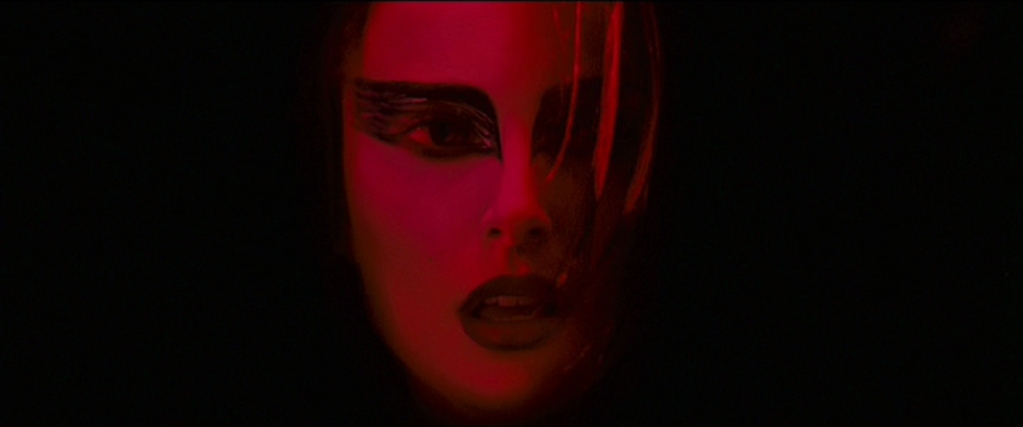
In Black Swan, individuation:
- is not gradual integration
- but a violent rupture
She doesn’t simply “become more herself”
She becomes something the system can no longer categorize.
Core idea
In Black Swan, individuation pulls Nina away from the collective because becoming whole requires stepping outside the roles that made her legible, controlled, and acceptable in her own eyes and in the eyes of society. Integrating opposing qualities also requires a certain flexibility and a tolerance for ambiguity.
6. Why brilliance demands integration of the shadow
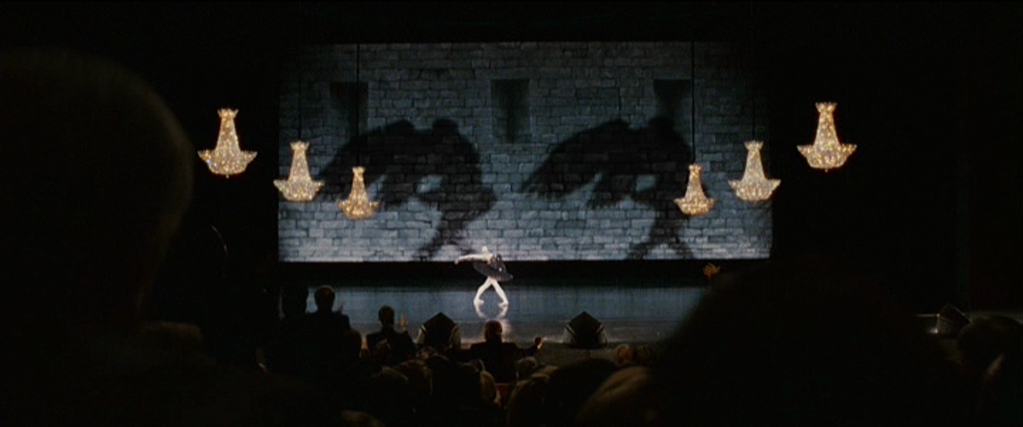
In Black Swan, brilliance is presented as something that cannot exist without confronting and integrating the shadow. Because light and shadow make a person whole.
Nina’s gentleness, discipline, control, and technical perfection embody this brilliance, but they are also built on repression and fragility.
Her “weakness” is not a lack of talent, but an inability to access instinct, aggression, defiance, competitiveness, chaos, and emotional freedom.
The more she tries to eliminate these parts of herself, the more they reappear in distorted forms, revealing that what is excluded does not disappear, but ultimately destabilizes the entire structure.
Theme: true brilliance is not the absence of weakness, but the ability to integrate it. The shadow is not the opposite of mastery, but its very condition.
7. Why the integration of the shadow is risky
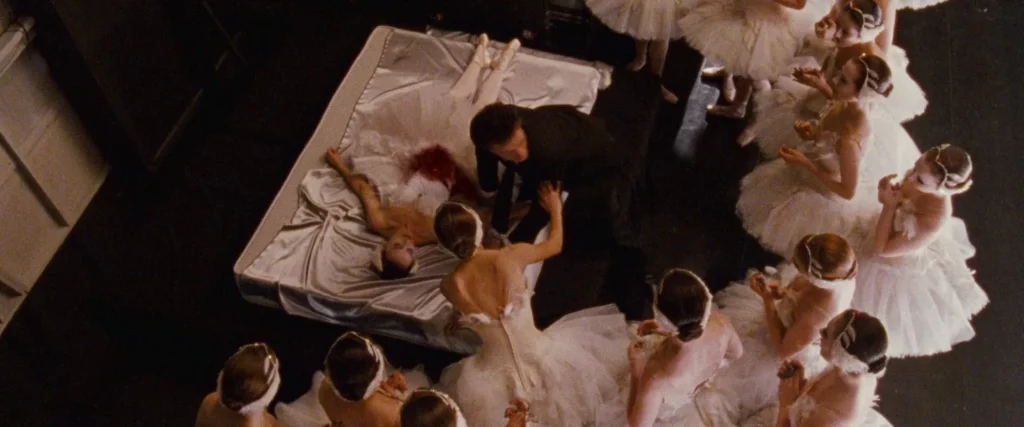
The integration of the shadow is difficult and dangerous because it forces a confrontation with everything the psyche has repressed in order to remain stable, acceptable, and controlled.
In Black Swan, Nina’s shadow contains instinct, sexuality, aggression, spontaneity qualities she has spent her life suppressing in order to achieve her previous idea of perfection. When these elements begin to surface, they do not integrate smoothly; they erupt. The psyche is not simply “adding something new,” it is destabilizing a structure built on denial.
This is why the process feels dangerous:
- the ego loses control over what it thought it had mastered
- identity becomes unstable and fragmented
- the boundary between reality and inner projection breaks down
- repressed material returns with intensity, not moderation
The shadow is not dangerous because it is “bad,” but because it carries the energy that was once excluded. When that energy re-enters consciousness, it does not arrive in a controlled form—it challenges the entire system of identity that kept it out.
Theme: integrating the shadow is hard because it requires dismantling the very structures that made the self coherent in the first place, and dangerous because what was repressed returns with the full force of what it was denied.
OUR SPONSOR OF THE DAY : NEONNIGHT.FR
Conclusion
Black Swan shows individuation as a necessary but destabilizing process. Through Nina’s transformation, the film illustrates Carl Jung’s idea of the shadow: the parts of the self that are repressed in the pursuit of perfection but inevitably return and demand integration.
As Nina moves toward becoming whole, she steps further away from the roles defined by the collective—control, purity, and discipline. Individuation frees her from these constraints, but it also isolates her, as the system can no longer contain a self that is evolving beyond its expectations.
The film ultimately suggests that encountering the shadow is essential for becoming complete, but never without cost. Integration requires breaking identity as it was known, and in Nina’s case, the pursuit of wholeness becomes inseparable from collapse.
The encounter with the shadow is therefore both a passage into selfhood and a point of no return.


GIPHY App Key not set. Please check settings