
 dudeoi
The Grandmaster, directed by Wong Kar-wai, appears at first to be a kung fu film, but it is in fact a philosophical exploration of mastery, tradition, time, sacrifice, and legacy, using martial arts as a metaphor for life and personal cultivation.
The plot

The Grandmaster follows Ip Man, a Wing Chun master, as he navigates rivalries, love, and a changing China. Beyond martial arts, it explores mastery, honor, sacrifice, and the passing of wisdom through generations.

OUR SPONSOR OF THE DAY : NEONNIGHT.FR

The main themes
1. Mastery and discipline
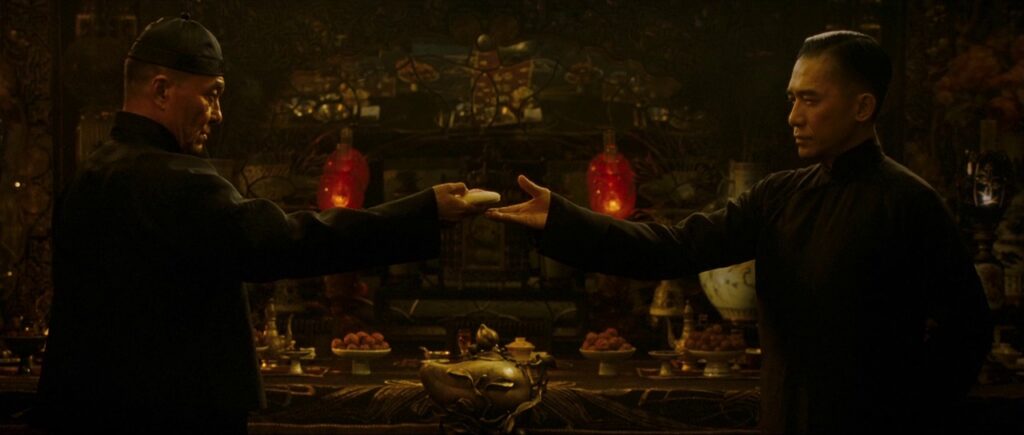
The film presents mastery as a lifelong pursuit of discipline, patience, and self-cultivation, beyond mere physical skill or power. Martial arts serve as a philosophy of life, teaching not only how to refine one’s abilities but also how to cultivate the wisdom that commands genuine respect.
2. Tradition and lineage
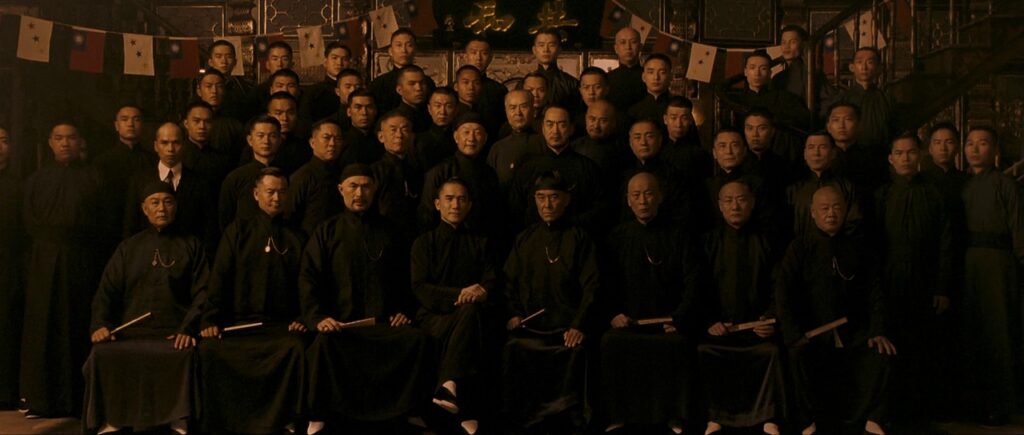
Kung fu is portrayed as a cultural inheritance, where masters act as custodians of knowledge passed down from generation to generation. Like tradition or wisdom, this heritage is both precious and continually tested by history and change.
3. Time and impermanence
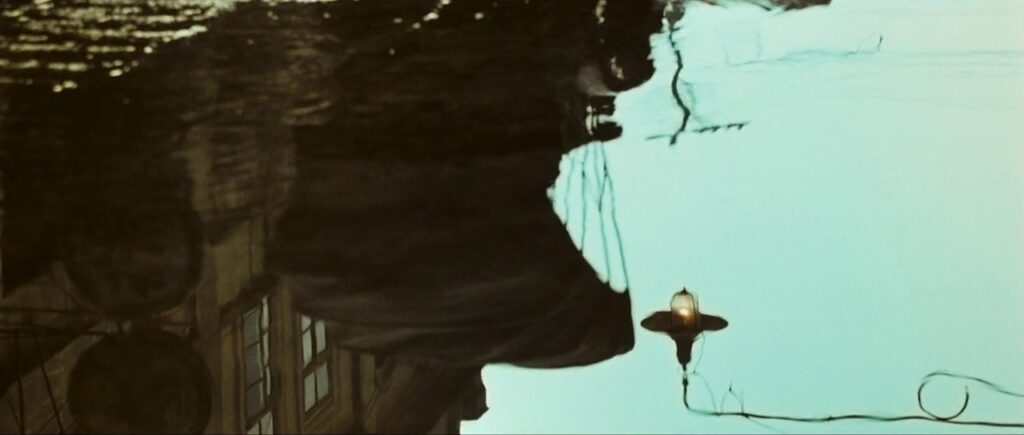
The story reflects on how time transforms people, relationships, and traditions, often leaving behind memories of a disappearing world—an era that seems to carry a deeper sense of meaning and nostalgia.
4. Honor and sacrifice
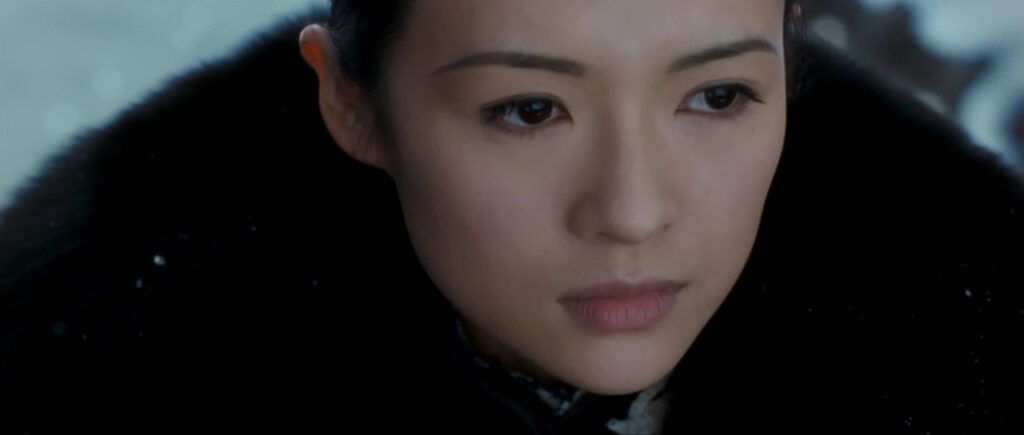
Characters are driven to make difficult choices by duty, loyalty, and personal vows, sometimes at the cost of their happiness or future. This reveals the tension between preserving honor and a sense of identity or following personal desire.
5. Fate and missed possibilities
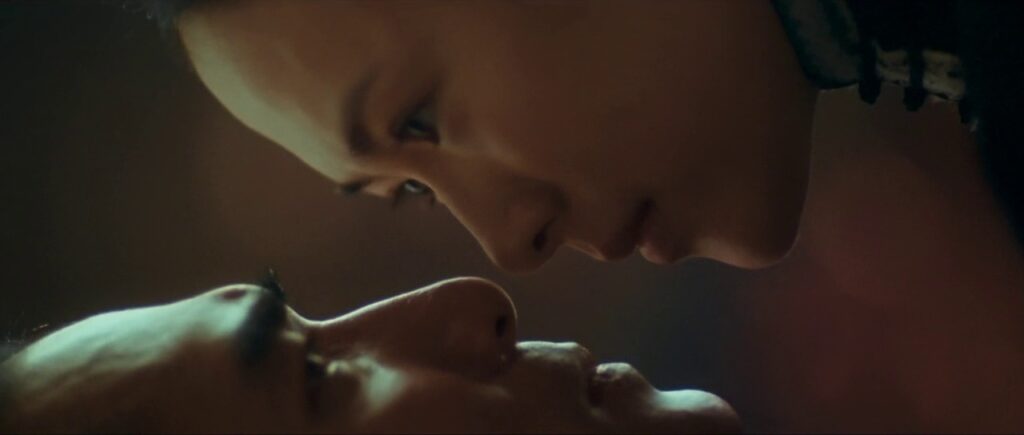
The relationships between the characters suggest paths that might have been, highlighting the role of circumstance and timing in life. Ultimately, every path carries its own regrets, suggesting that a perfect life does not exist—only choices between different trade-offs.
6. Identity and legacy
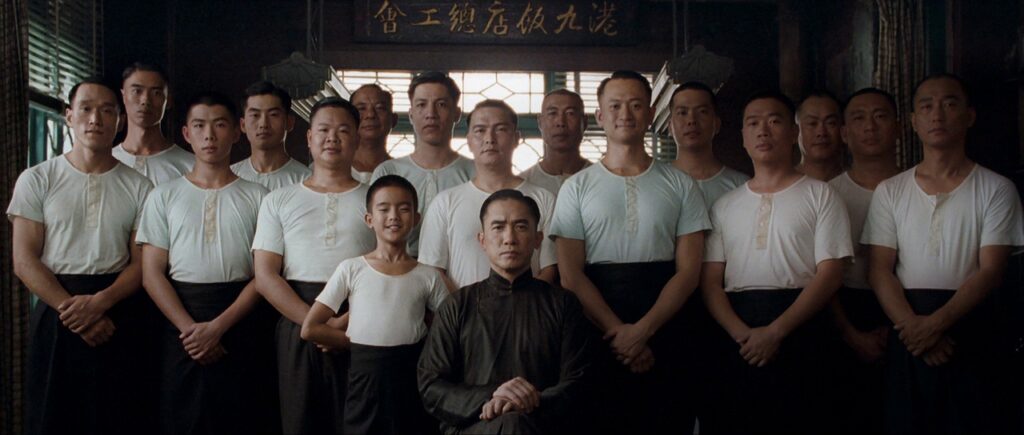
The film questions what it truly means to be a “master”: whether mastery is measured by personal achievement or by the legacy one leaves behind—passing on wisdom and the path to self-mastery to the next generation.
A few words about Kung Fu in The Grand Master
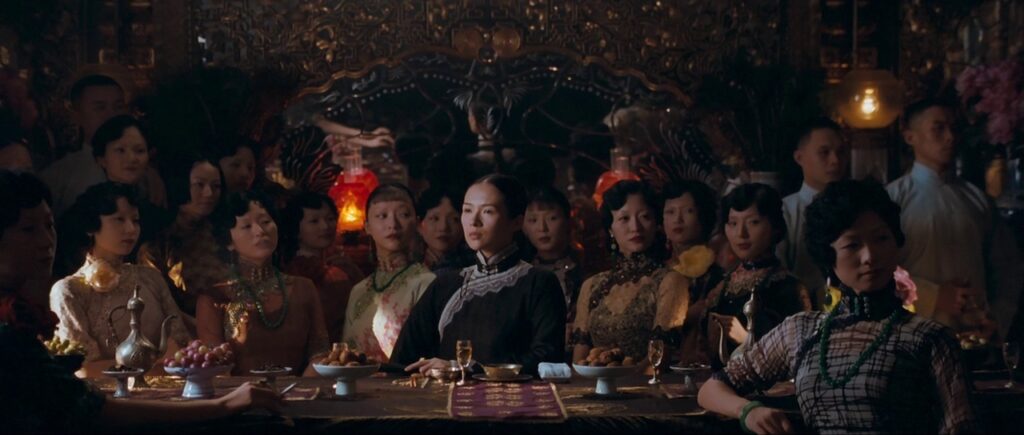
The term Kung Fu (功夫 / gōngfū) refers not just to martial arts, but to skill developed through time, discipline, and effort. The metaphor of vertical and horizontal describes two dimensions of mastery.
- Vertical: depth—dedication, inner development, and refinement of a craft.
- Horizontal: breadth—experience, applying knowledge, and understanding the world.
True kung fu arises from balancing both: depth without breadth isolates, breadth without depth remains superficial.
In this way, kung fu becomes a philosophy of life: cultivating oneself deeply while engaging widely with the world, echoing Taoist traditions and thinkers like Laozi.
Simply put: vertical = self-refinement, horizontal = engagement with life; kung fu is the art of uniting both.
Past, present and future
1. Learning from the past
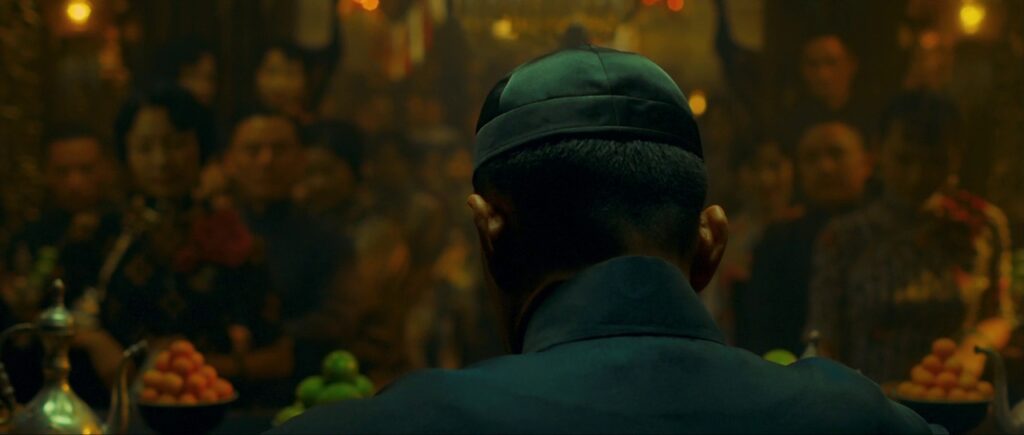
The characters’ skills and decisions are deeply rooted in history and lineage. Martial arts aren’t just physical techniques—they carry decades of accumulated knowledge. Looking back allows them to:
- understand the principles behind each move
- honor what previous masters created
- avoid repeating mistakes
In other words, mastery cannot exist without remembering and learning from the past.
2. Preserving tradition
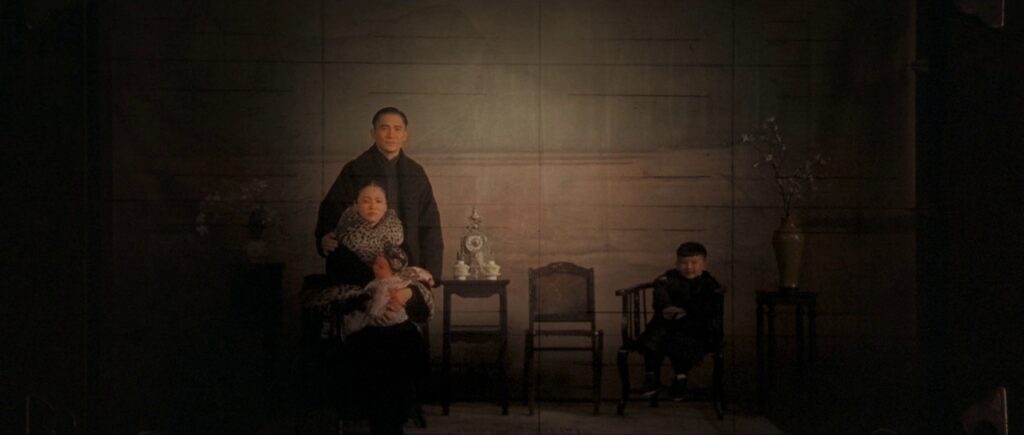
The past represents cultural inheritance: forms, ethics, and philosophy passed from one generation to the next. Gong Er and Ip Man are conscious that without respect for the past:
- the art loses meaning
- the identity of the master is empty
- knowledge is forgotten
Wisdom is therefore a bridge between generations.
3. Informing present choices
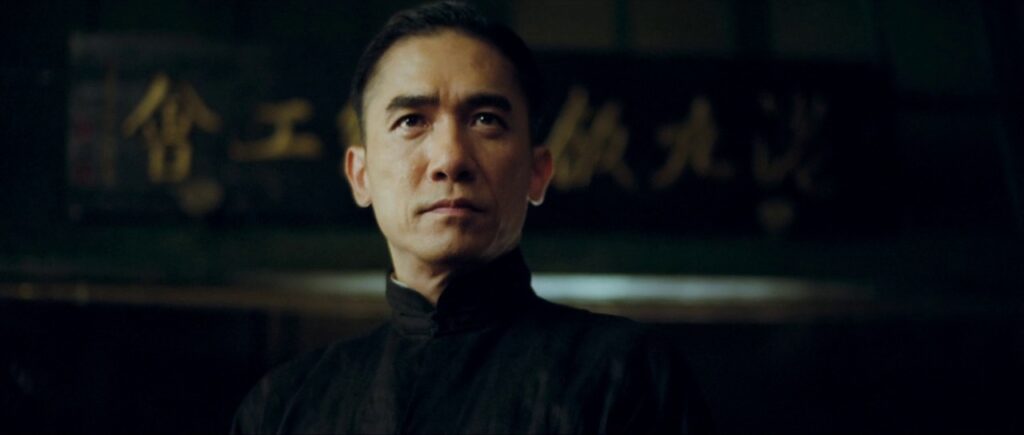
By reflecting on what has come before, the characters can act wisely in the present. Every decision—whether in life, love, or combat—is guided by:
- experience
- understanding of consequences
- moral and philosophical principles
The past is a compass for the present, ensuring action aligns with reality, not impulse.
4. Legacy and continuity
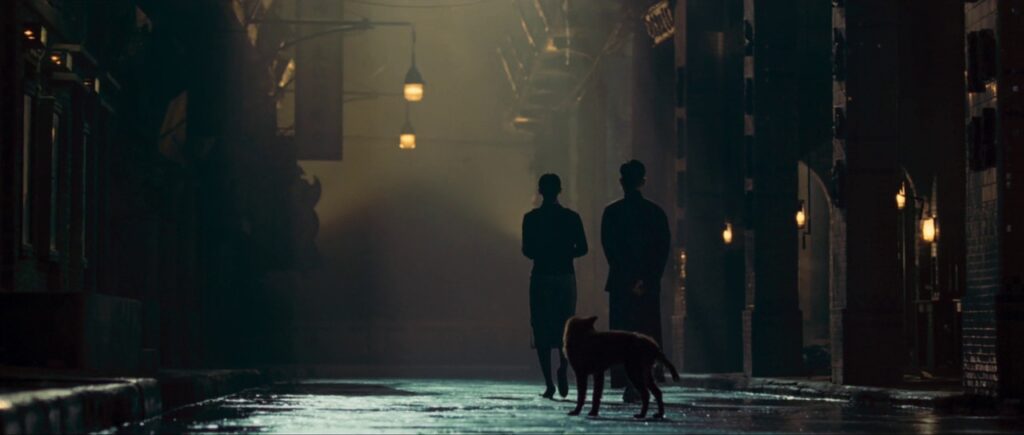
Looking back isn’t nostalgia—it’s strategic. The characters’ respect for history allows them to build a future:
- passing on knowledge
- shaping the next generation of masters
- leaving a meaningful legacy
Without this perspective, present actions are shallow, and the future is directionless.
Why is honoring everyone considered the path to wisdom?
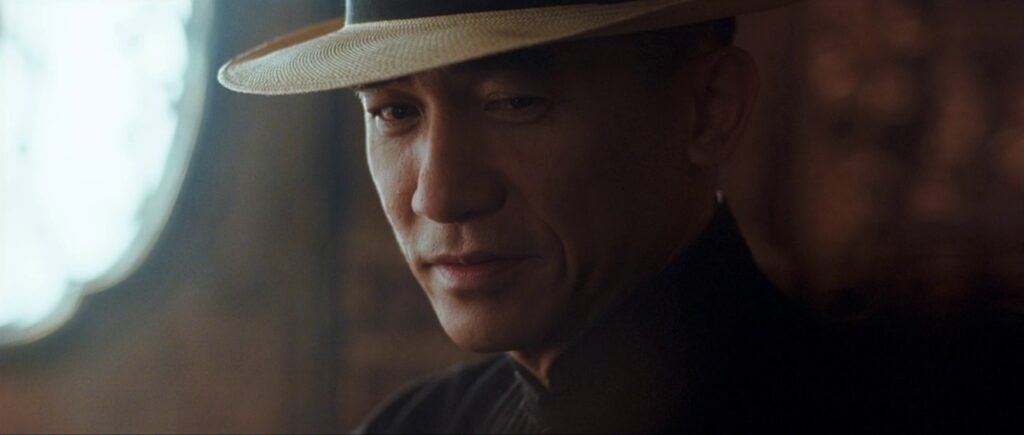
The scene in which Ip Man faces multiple masters perfectly illustrates this path. He is respected as a leader not only for his exceptional skill but also for his ability to see the honor in others.
True mastery is shown as the ability to win without breaking others or harmony. Ip Man and Gong Er demonstrate that skill alone is not enough—strength and technique must be paired with respect, restraint, and awareness of others.
Victory is not measured merely by defeating an opponent, but by upholding honor, maintaining balance, and preserving relationships.
Martial arts, in this sense, become a metaphor for life: success that disregards harmony may yield short-term gain, but wisdom and lasting respect come from achieving your goals without destroying the world around you.
Opposing forces: desire vs duty
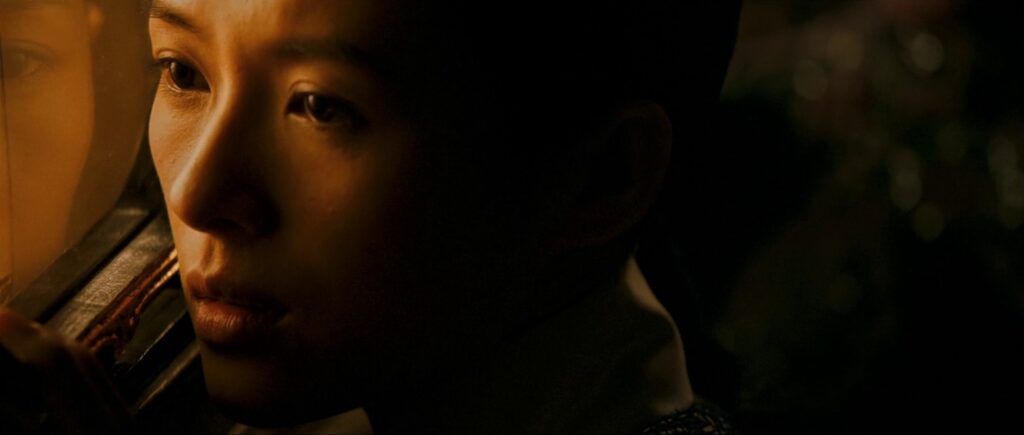
In The Grandmaster, characters navigate the tension between personal desire and duty.
Gong Er sacrifices love and personal happiness to honor her vow and preserve her family’s martial lineage, showing that true mastery is as much about discipline and principle as skill.
The film suggests that wisdom lies in knowing what to uphold, what to surrender, and how to act when these forces collide, with personal fulfillment often subordinated to legacy and integrity.
The contrast with modern times

The Grandmaster depicts a world governed by mastery, honor, and discipline—a life measured in decades of patient training, ethical choices, and deep reflection. In contrast, modern times prioritize speed, visibility, and measurable success.
Where the film celebrates vertical depth, lineage, and restraint, contemporary culture often rewards horizontal breadth, self-promotion, polarization and instant results.
This stark contrast highlights how the values of the past—wisdom, legacy, and disciplined mastery—can feel almost foreign in today’s fast-paced world.
The West often achieved rapid growth and visible success, but this speed brings instability. The East, grounded in patience, discipline, and generational wisdom, grows more slowly yet builds lasting stability. In short, quick gains versus deep roots, an economic monopolization versus an economic plurality.
OUR SPONSOR OF THE DAY : NEONNIGHT.FR
Conclusion
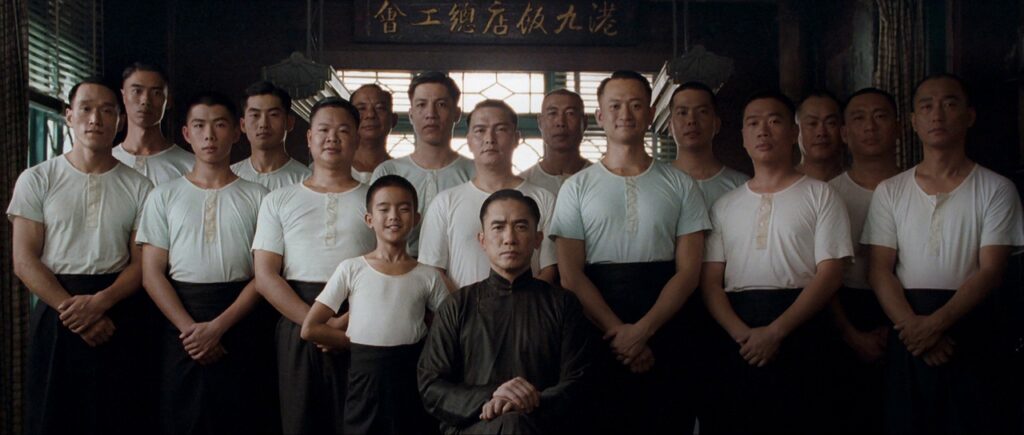
The Grandmaster is a sublime film about Kung Fu, which, like most martial arts and sports, serves as a metaphor for something far deeper.
It offers a lesson in mastery, perseverance, and wisdom, showing how this knowledge can be passed down through generations to provide strong roots and stability for the future.
The film illustrates that life and history are full of highs and lows, and while fate and tragedy cannot be controlled, the path to self-mastery and wisdom may be the only true inheritance : how to win without destroying the world—a legacy that endures beyond time, circumstance, and personal loss.


GIPHY App Key not set. Please check settings