
 dudeoi
The Pusher trilogy, written and directed by Danish filmmaker Nicolas Winding Refn, explores the criminal underworld of Copenhagen through the lives of those trapped within it.
While the first film largely delivers what you might expect from a crime film, the second and third installments go considerably deeper, transforming the trilogy into a much more fascinating exploration of its characters, themes, and the world they inhabit.
The Pusher trilogy (Nicolas Winding Refn, 1996–2005) traces three different men orbiting the same Copenhagen drug underworld, and each film has a distinct thematic center even though they share a universe.


OUR SPONSOR OF THE DAY : NEONNIGHT.FR
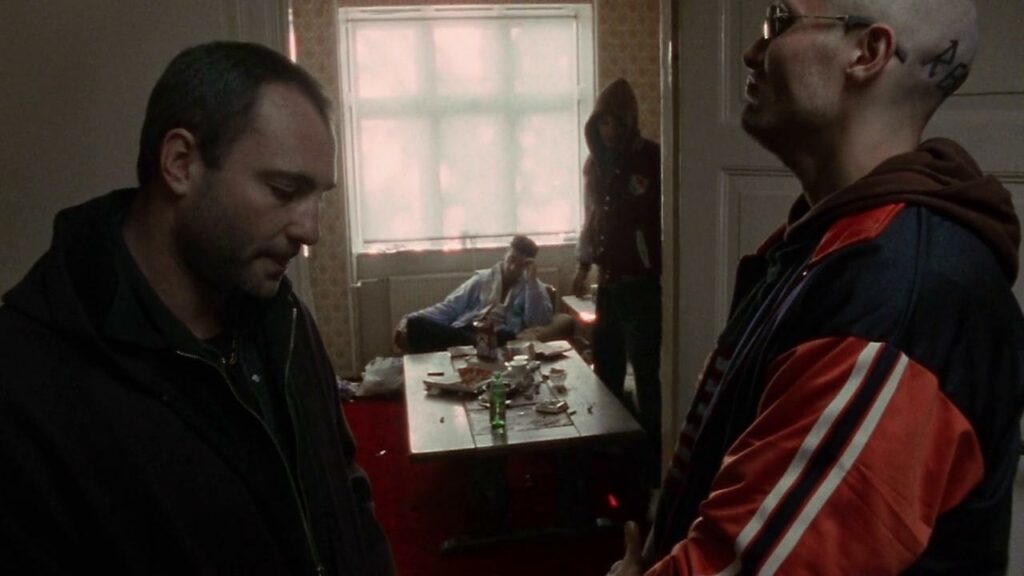
Pusher (1996) Debt and the illusion of control Frank, a mid-level dealer, gets in over his head with a debt to his supplier, Milo, after a deal goes wrong. The film is essentially a real-time countdown structure the entire narrative compresses into a handful of increasingly desperate days. Thematically, it’s about the gap between how in-control a hustler believes himself to be and how thin that control actually is; Frank talks and postures like a man running his own life, but the film systematically strips that illusion away scene by scene until he’s reduced to something closer to an animal cornered. It’s also, notably, one of the rawer entries into the “one bad decision spirals” genre that influenced a lot of grittier European crime cinema afterward verité camera work, non-professional-feeling dialogue, almost no score.
Main theme: Freedom → Dependence
Frank enters crime seeking freedom, only to become entirely dependent.
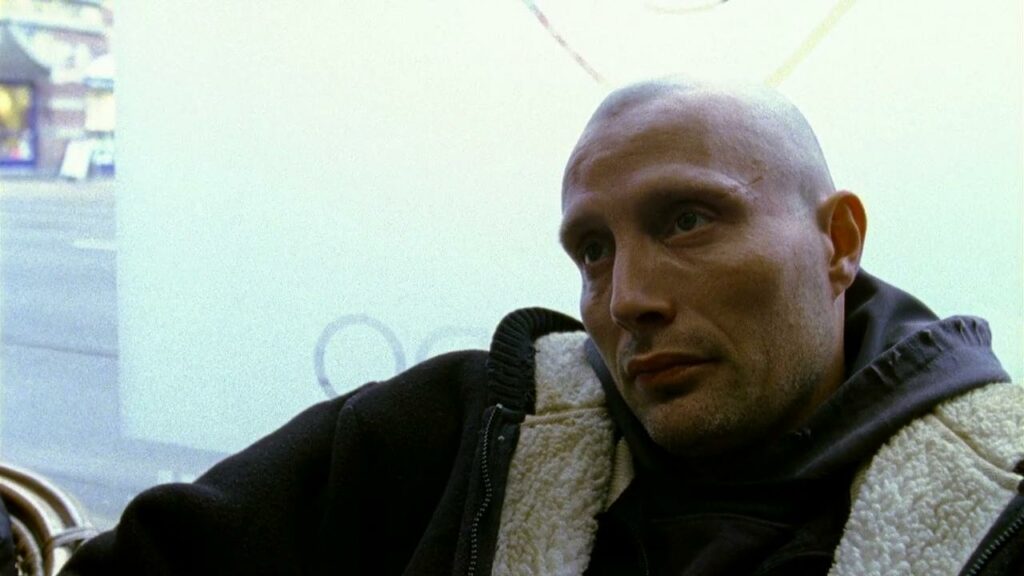
Pusher II: With Blood on My Hands (2004) — Inheritance and the desire to be seen as worthy Centers on Tonny, a minor, pathetic henchman from the first film (Milo’s borderline-mocked underling), just released from prison and desperate for his father’s (the Duke’s) approval and a place in the family business. This is much more explicitly about status and legitimacy within a hierarchy that has already decided Tonny is disposable — he wants to be taken seriously as a son and as a criminal, and gets neither. A late-breaking revelation that he’s unexpectedly become a father reframes the whole film around inheritance in a double sense: the criminal legacy he’s chasing and can’t earn, versus the literal fatherhood thrust on him that he’s completely unequipped for. It’s the most emotionally devastating of the three Tonny is pitiable rather than commanding, and the film is really about a man trying to prove he deserves to belong to something that was always going to reject him. The film also shows how dignity even for the impaired isn’t a luxury.
Main theme: Insecurity → Identity
The need for dignity and recognition is universal, regardless of one’s abilities or limitations.
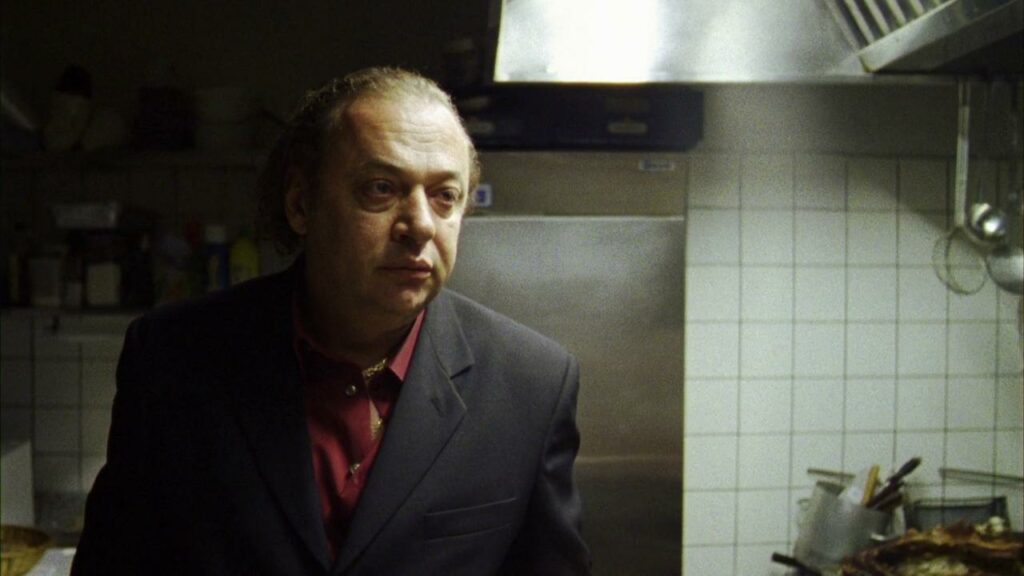
Pusher III: I’m the Angel of Death (2005) — Aging, obsolescence, and loss of authority Follows Milo himself the supplier/boss figure from the first two films now older, a recovering addict trying to stay clean while running a catering business as a front, whose criminal authority is visibly eroding under him in real time (younger, more brutal rivals, a chaotic drug shipment, a daughter’s birthday party spiraling into disaster). Thematically it’s about a man who once had total command of the arena losing his grip on it not through one dramatic downfall, but through the slow, humiliating erosion of relevance and control that comes with age and addiction. It’s also the most violent and formally unhinged of the three, mirroring Milo’s own loss of composure.
Main theme: Power → Obsolescence
the loss of power through aging and obsolescence.
Across all three: the trilogy as a whole is really a triptych about hierarchy and who gets crushed by it: the low-level operator (Frank), the son desperate to inherit a place in it (Tonny), and the aging boss watching his authority within it dissolve (Milo). Each man is running a self-justifying story about his position in the hierarchy, and each film is the arena indifferent, ungoverned by desert or effort refusing to confirm that story on his terms.
The meaning behind the final scenes
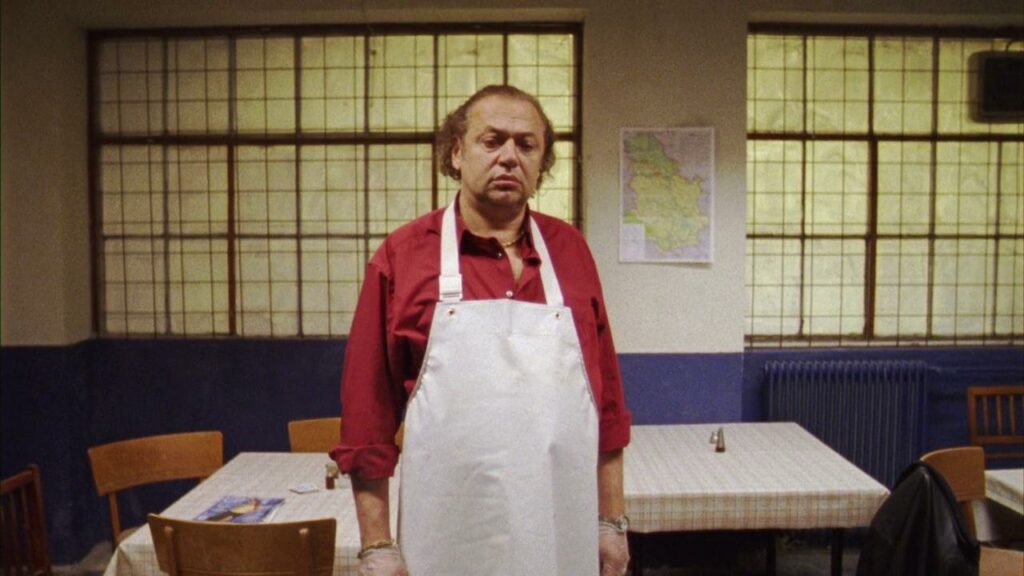
Despite everything Milo has become, he belongs to an older criminal order. He has rules about how things are supposed to be done. The younger criminals represent a newer, more chaotic form of violence where those boundaries are disappearing.
The final scene of Pusher III, where Milo and his old partner dispose of the body, the purpose is much bigger than simply “covering up the murder.”
It brings the trilogy back to its most fundamental reality: after all the violence, nothing has actually been resolved. Someone is dead, and the machinery of the underworld simply continues.
There is also something deliberately mundane about the scene. After the extreme violence of the film, disposing of a body becomes almost like another job, like cooking. No dramatic speech, no moral reckoning, no catharsis. Just work that has to be done.
What Makes This Trilogy Special
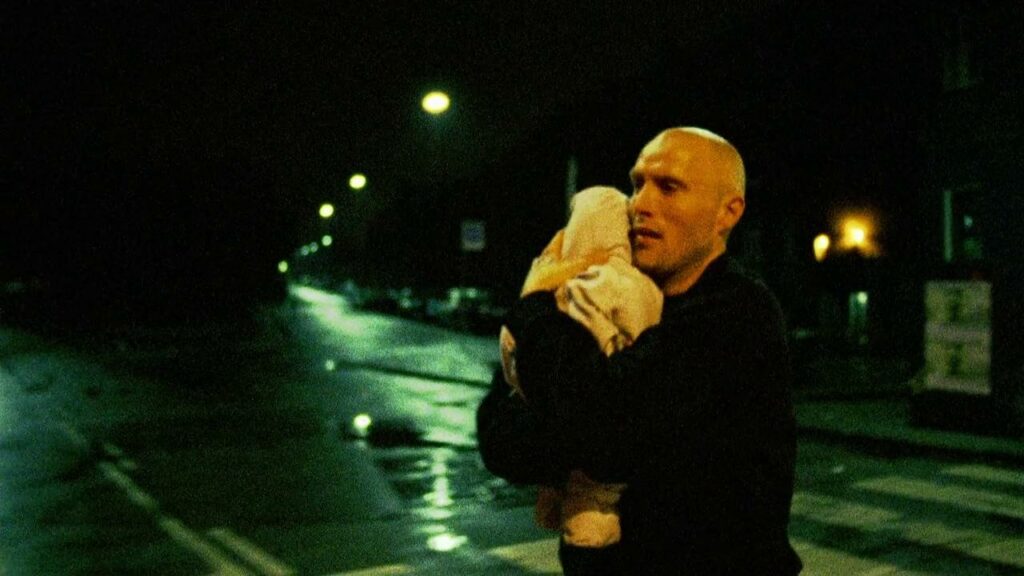
It refuses the usual crime-film catharsis. There is rarely a big payoff, triumphant reversal, or moment where the protagonist takes control. Instead, the characters become increasingly trapped. The films suggest that real desperation doesn’t resolve neatly it simply grinds people down.
It chooses specificity over archetype. These aren’t simply “a dealer,” “an enforcer,” or “a boss.” Real locations, rough performances and an almost documentary-like camera make the world feel observed rather than constructed. The filmmaking is highly controlled, yet deliberately feels unmediated.
The trilogy makes the underworld itself the protagonist. Each film shifts to a different character, turning a peripheral figure from the previous film into the next protagonist. Frank, then Tonny, then Milo. The individual changes, but the system remains. The hierarchy simply moves on and consumes whoever occupies it.
Milo’s decline is particularly unusual. Instead of showing the dramatic fall of a powerful boss, Pusher III shows something slower: authority eroding through age, addiction and irrelevance. Milo isn’t suddenly defeated. He is simply becoming obsolete.
Ultimately, what makes Pusher special is that it takes the usual promise of the crime genre power can be gained, control can be restored and systematically proves it wrong.
Frank is crushed by the system.
Tonny cannot find himself within it.
Milo discovers that even becoming the system cannot stop it from moving on.
OUR SPONSOR OF THE DAY : NEONNIGHT.FR
Conclusion
Ultimately, the Pusher trilogy is not really about drugs or crime. It is about men trying to find a place within a hierarchy that does not care about them.
Frank enters the underworld believing it will give him freedom, only to discover that every step toward sovereignty creates another form of dependence. Tonny enters it looking for recognition and a sense of worth, but finds that the respect he wants cannot simply be demanded or inherited. Milo reaches the top, only to discover that power is temporary and that the world he once controlled is slowly becoming unfamiliar to him.
Each film therefore examines a different form of powerlessness: being trapped beneath the system, being denied a place within it, and eventually becoming obsolete inside it.
What makes the trilogy so powerful is that the underworld never stops for any of them. Their ambitions, humiliations, relationships and attempts to regain control matter enormously to them, but almost nothing changes at the level of the system itself. When one man falls, someone else takes his place.
In that sense, the real protagonist of Pusher is not Frank, Tonny or Milo. It is the world they are trying to survive a world that promises control while constantly taking it away.
And perhaps that is Refn’s darkest idea: you can spend your entire life trying to become powerful enough to control the world, only to discover that the world was never yours to control in the first place.


GIPHY App Key not set. Please check settings