
 dudeoi
Renton’s “Choose Life” monologue gets quoted so often it has been defanged into a poster you can buy at Urban Outfitters. That is a category error. The speech is not a rejection of consumer life delivered by someone who has a better alternative. It’s the diagnosis of a man who has correctly identified that the life on offer is a kind of slow-motion suicide, and who has chosen a faster one instead because at least the fast one is his.
That distinction is the whole film. Trainspotting is not a film about heroin. Heroin is the vehicle. The film is about what happens to people who are handed an identity they didn’t author and refuse to wear it, with nothing prepared to replace it.
Disclaimer: This article does not endorse or promote the use of illegal substances. It is solely a film analysis and a reflection on Trainspotting, its characters, and the themes explored in the film.


OUR SPONSOR OF THE DAY : NEONNIGHT.FR
The real antagonist is a lack of authorship, not addiction
A life already written for you
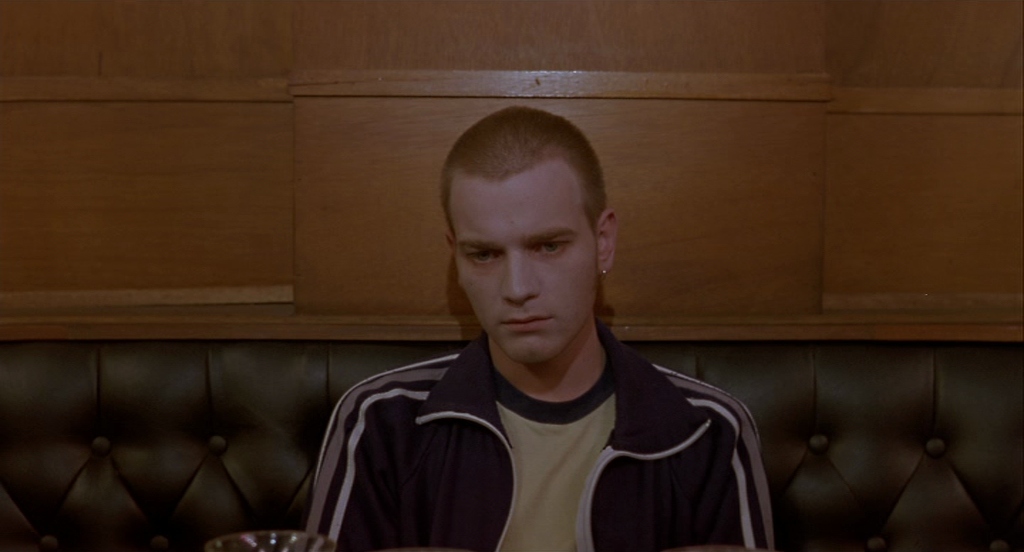
Renton, Spud, Sick Boy, Tommy and Begbie are working-class Scots in a country that has already told them, structurally, what they’re for: not much. No mortgage-and-career track was ever seriously on the table.
So “Choose Life” isn’t satire of a path they’re rejecting it’s satire of a path that was never really theirs to choose in the first place.
The film is smart enough not to let you read this as a simple story of victims driven to drugs by unemployment. It’s colder than that.
Heroin as hijacked agency
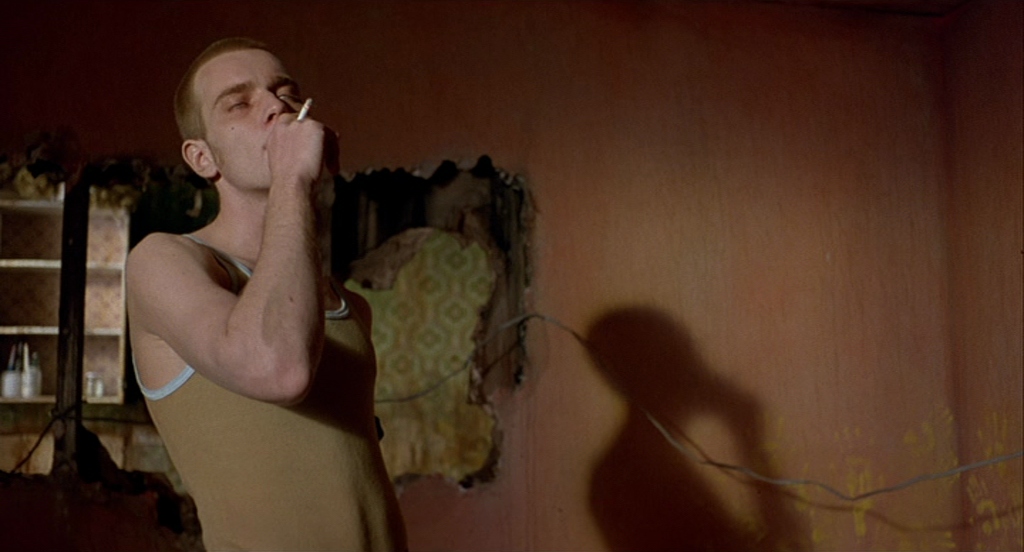
Heroin isn’t compensation for the absence of opportunity. It’s the one domain left where these characters get to author their own experience minute to minute pleasure, ritual, risk, consequence, all supplied by their own hand.
That’s not nihilism. It’s a hijacked form of agency.
Begbie proves the point
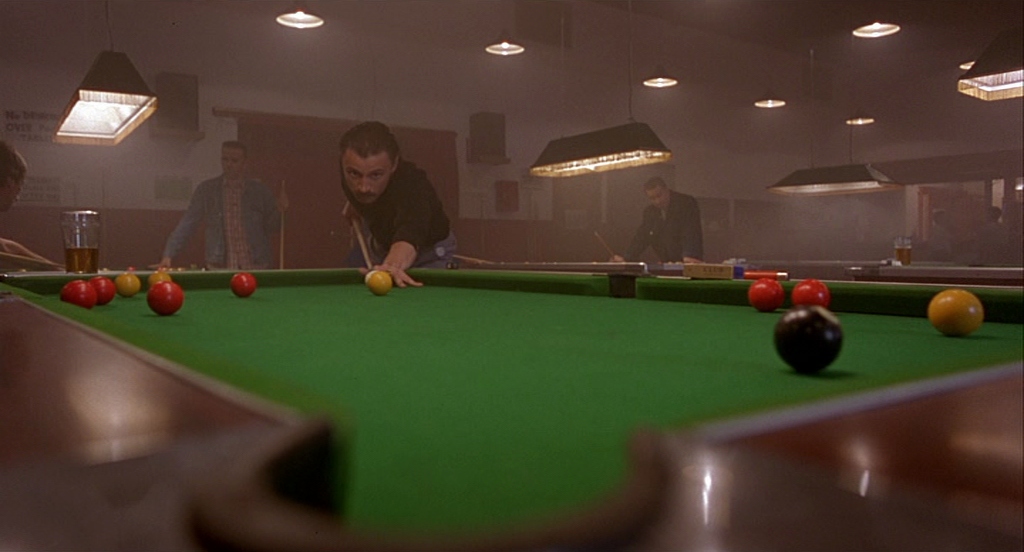
Begbie is the film’s proof of concept, and it’s a vicious one. He never touches heroin and he is, by any reasonable measure, more dangerous and more captured than any of the addicts around him.
His drug is domination.
Same mechanism, different substance: a total lack of interest in anything he can’t personally control, an addiction to being the author of every room he enters, even through violence.
Trainspotting quietly generalizes its own thesis through him — the object being abused is beside the point. What’s being defended, in every character, is the felt sense of being the one steering.
Tommy and the collapse of an controlled life
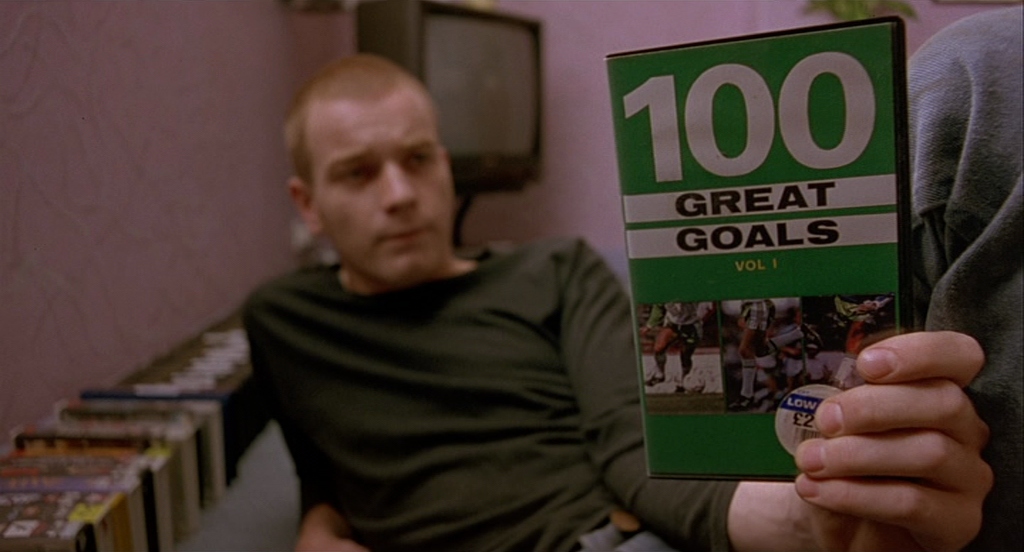
This is why Tommy’s death matters more than any of the heroin overdoses.
Tommy starts the film clean, disciplined, disgusted by his friends’ choices. He gets pulled in anyway not because heroin has some irresistible chemical gravity, but because his own attempt at an controlled life relationship, fitness, ambition collapses first, and the vacuum gets filled by the only mechanism his environment has on offer.
The film is telling you the drug was never the cause.
It’s downstream of something else failing.
Freedom that eats itself
When rebellion becomes another script
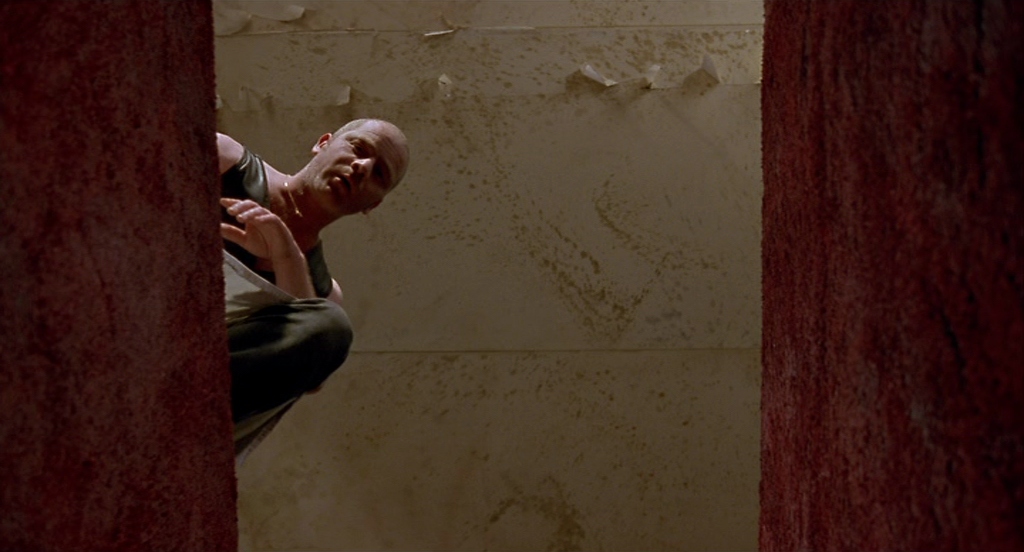
Where the film refuses to let Renton off the hook is in showing that his rebellion collapses into its own kind of captivity.
He wants autonomy from a scripted life and gets, instead, a body that no longer answers to him withdrawal, overdose, a baby’s death he can barely process because he’s too high to metabolize it as tragedy.
The addiction that was supposed to be an act of authorship becomes the most controlling script of all: same flat, same friends, same twenty-four-hour loop, indefinitely.
Trainspotting’s cruelest joke is that the character who most wanted to escape determinism ends up more determined than anyone — chemically, socially, financially.
What Renton actually chooses
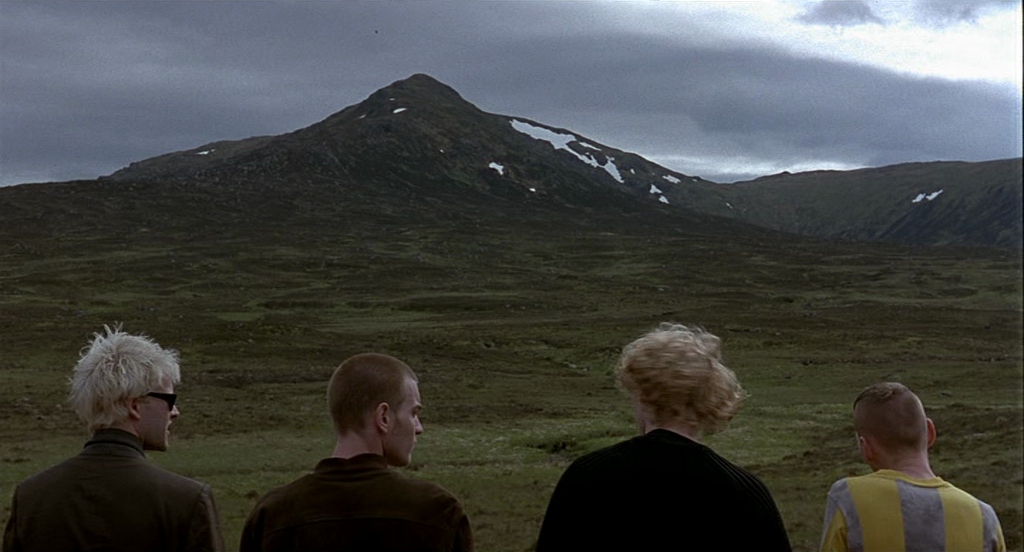
So when Renton finally takes the money and runs, it isn’t a redemption arc.
It’s not “drugs bad, straight life good.”
It’s a much narrower and more honest claim: an unscripted, uncertain future you own beats a total escape that has already decided everything about your next twenty-four hours for you.
He’s not choosing normal.
He’s choosing the possibility of authorship again, at the cost of betraying the only people who ever gave him any.
T2: The addiction just changes shape
Twenty years on, T2’s core move is to strip heroin out almost entirely and show you the same four men still running the identical program on different fuel.
Sick Boy: control disguised as ambition

Sick Boy has swapped the needle for schemes, blackmail, and a rotating cast of women he can never actually attach to — same self-authorship-through-control instinct, laundered into something that looks like ambition.
Renton: reinvention as addiction
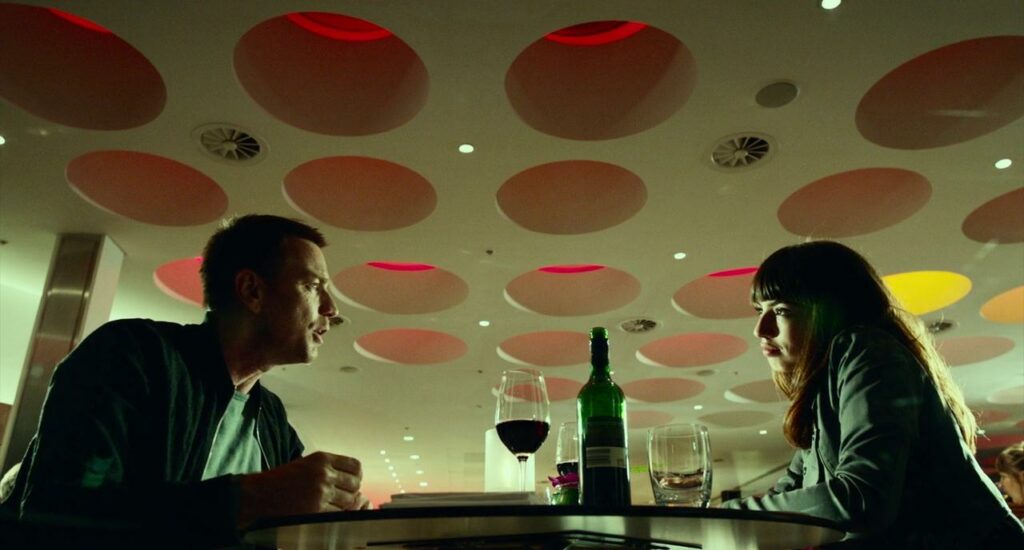
Renton has swapped it for the idea of reinvention itself, flying back into a life he supposedly escaped, unable to resist rebuilding the very dynamic that nearly killed him.
Spud: turning memory into authorship
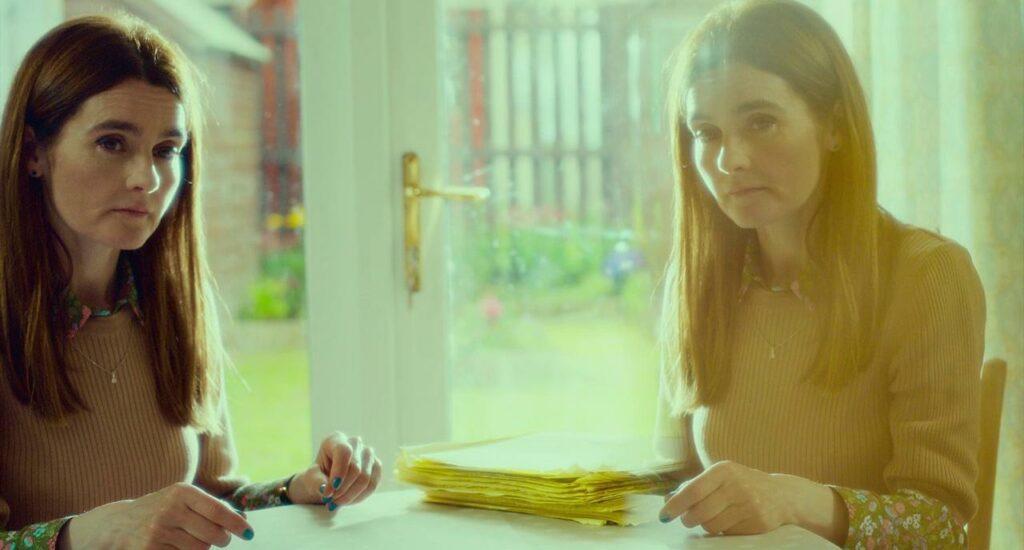
Spud is addicted to the belief that his own past still means something.
And it’s not until he starts writing it down — turning lived chaos into narrative he controls — that the addiction actually finds a productive outlet instead of a destructive one.
Begbie: when domination stops working
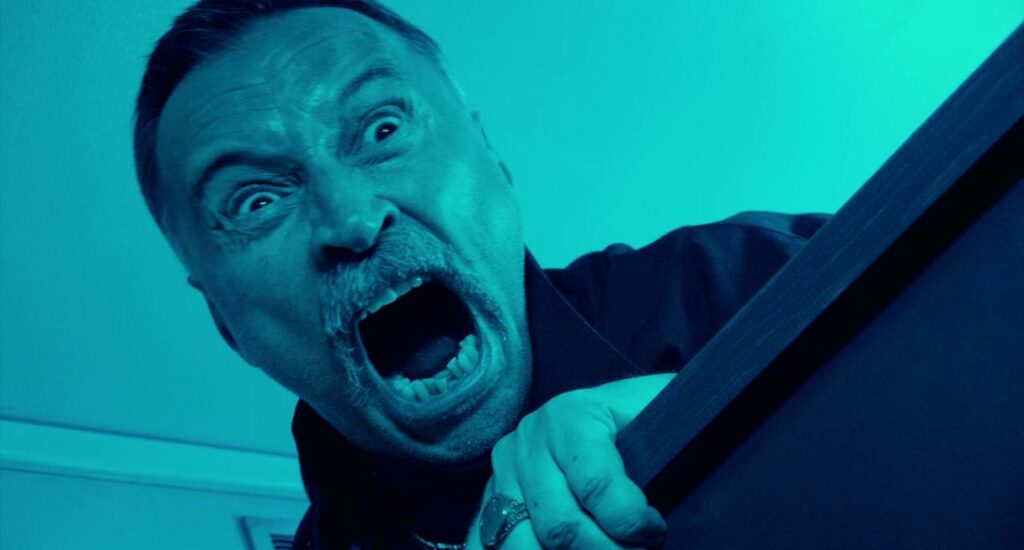
Begbie is the most brutal case, because prison has done nothing to touch the underlying mechanism.
He gets out and immediately reaches for the same tool: dominance, now aimed at securing a legacy through his son.
But domination was never a currency that transfers. He has nothing else to hand down.
His fear isn’t really about Renton’s betrayal — it’s that the one thing he’s fluent in, physical control, has stopped being sufficient to guarantee him a place in a world that has moved on without asking his permission.
Nostalgia as the new drug
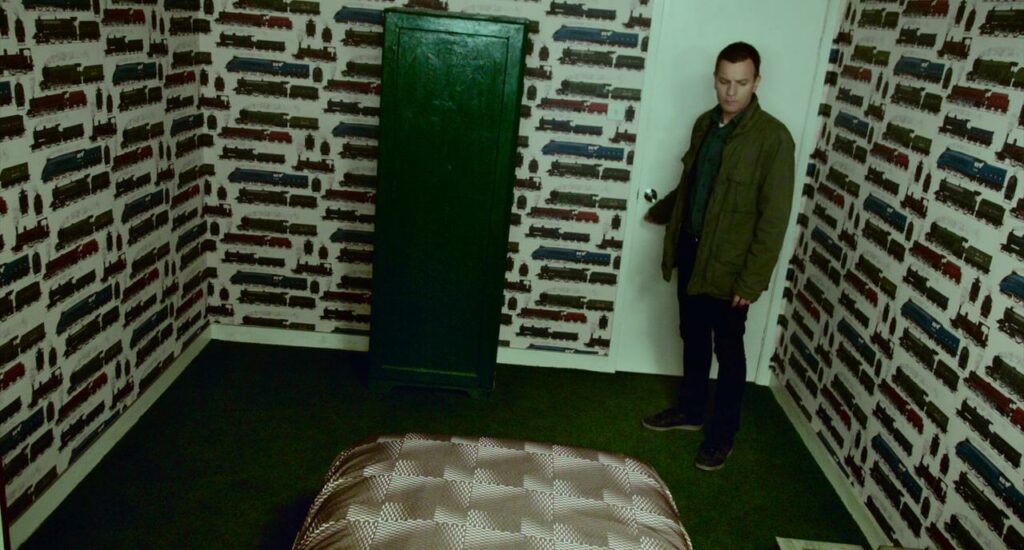
This is the sharper and more depressing insight T2 has that the original doesn’t need: getting clean, in whatever form that takes, doesn’t retire the underlying appetite.
It just goes looking for a new object.
Nostalgia is the drug T2 is most worried about, and it says so through form as much as content — the same needle-drops, the same locations, the same camera moves as the first film, deployed specifically so you feel the pull of the old high while watching characters get hollowed out chasing it.
The film is not celebrating memory.
It’s showing you memory operating exactly like the drug did: intense, immersive, and incapable of actually giving you back the twenty years it costs to keep visiting it.
What “Choose Life” actually costs
The first film ends on a question dressed up as an answer. The second one supplies the answer, and it isn’t comfortable.
Choosing life doesn’t mean getting a good one
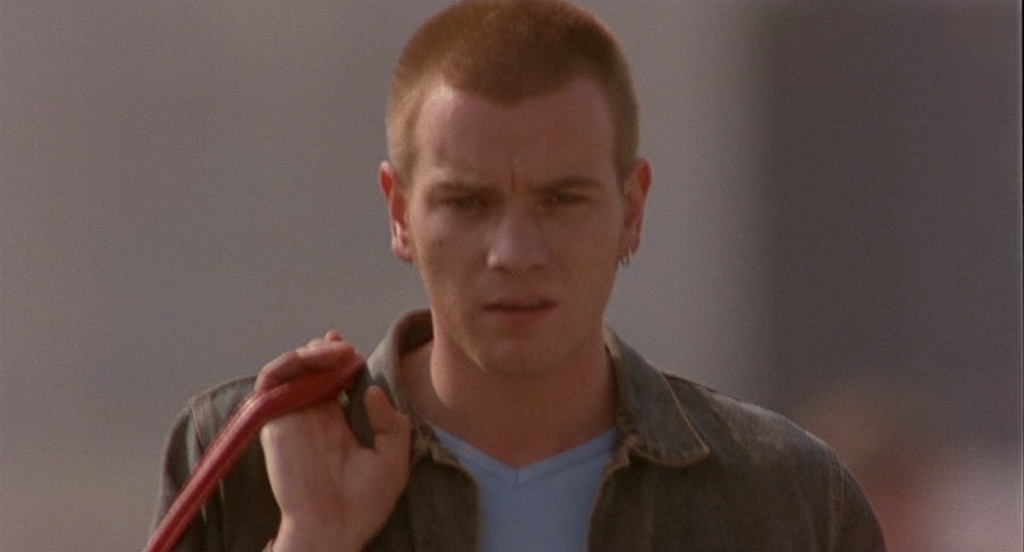
Choosing life doesn’t mean you get a good one.
You can take the money, build the career, leave the friends who nearly killed you and still end up lonely, still end up circling the same four people because they’re the only ones who remember who you actually were before you started performing whoever you are now.
Renton doesn’t return to Edinburgh because he misses heroin.
He returns because Sick Boy and Spud are the only witnesses left to a version of himself that hasn’t been edited for public consumption.
Spud finds another way
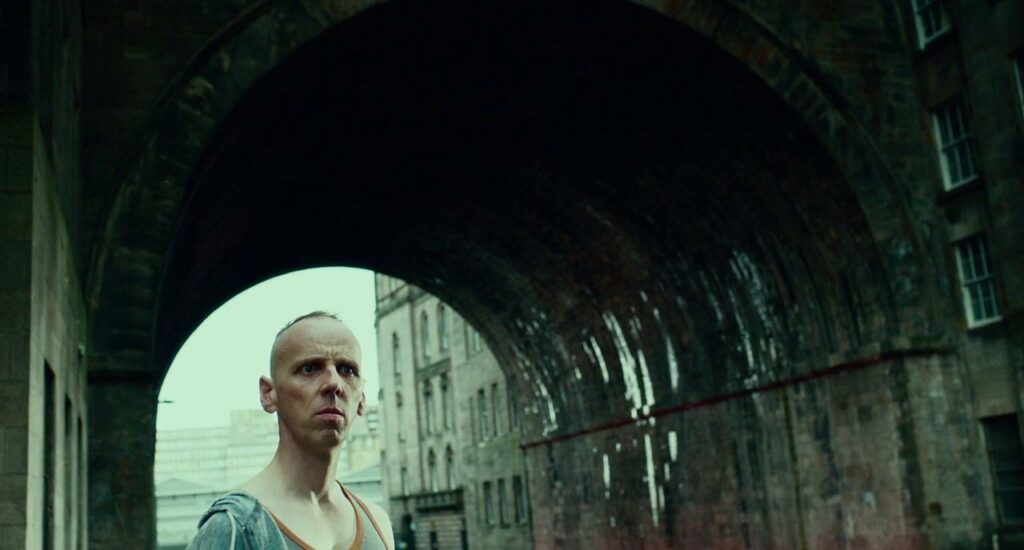
What redeems the ending and it’s a small, unsentimental redemption, not a triumphant one is Spud.
The character with the least capital of any kind, financial or symbolic, is the one who figures out that turning the wreckage into a story is itself a form of authorship that doesn’t require anyone’s ruin.
Not escape. Not a clean break. Just the slow, unglamorous work of narrating your own history instead of either repeating it or running from it.
OUR SPONSOR OF THE DAY : NEONNIGHT.FR
Why the conventional path looks dead to them
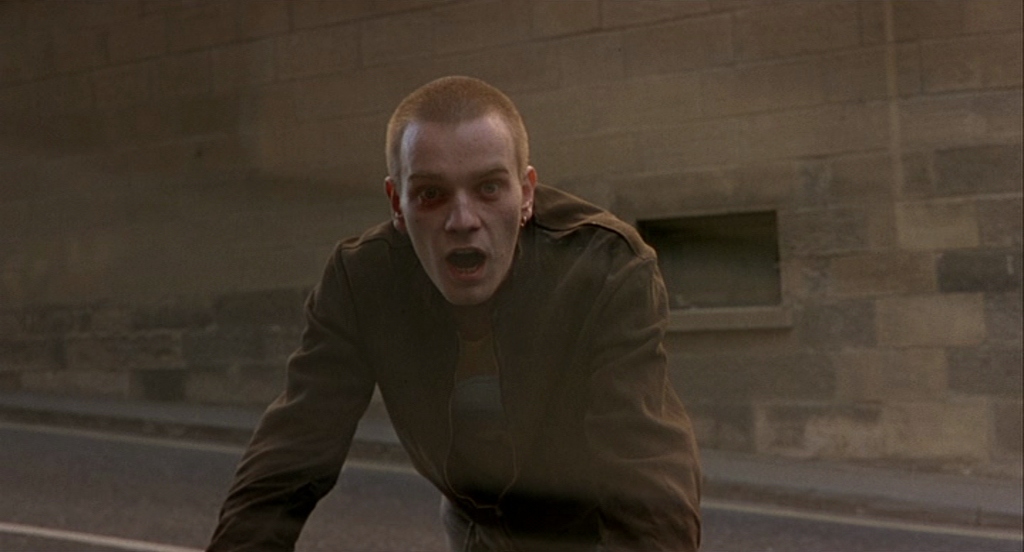
In the specific setting of Trainspotting (late 1980s / early 1990s Edinburgh), the standard script available to young working-class men like Renton felt hollow for concrete reasons:
- Economic and social stagnation.
Post-industrial Scotland under Thatcher had high unemployment, shrinking traditional jobs, and limited upward mobility for people from their background. The “job + mortgage + family” path did not look like progress; it looked like a long, low-ceilinged corridor. - Cultural emptiness of the offered life.
The monologue lists the rewards of conformity: television, washing machines, hire-purchase furniture, game shows, fixed-interest mortgages, eventual quiet decline. These are presented not as comforts but as a slow spiritual death — distraction, consumption, and managed decline without intensity or meaning. - Absence of a persuasive story.
For the characters, mainstream society no longer supplied a narrative that made ordinary effort feel worthwhile. Work did not promise dignity or advancement, consumer goods did not promise fulfillment, and the end point (rotting away, becoming an embarrassment to your children) was openly acknowledged as grim. Once that story loses its force, refusing it becomes thinkable. - Heroin as active refusal.
Using is not only escape; it is a deliberate counter-choice. If the approved life is seen as pointless, the most powerful short-term alternative on offer can feel like agency, even when it is destructive.
Is this a universally recognized theme?
The specific Edinburgh / Thatcher-era texture is local.
The broader pattern is widely recognized across cultures and periods:
- The feeling that the standard life script (work, consume, reproduce, decline) has become empty or coercive.
- The turn toward extremes — drugs, subcultures, crime, dropout lifestyles, or ideological rejection — when that script loses legitimacy.
- The same structure appears in Beat writing, punk, certain strands of existential literature, 1970s American New Hollywood films, later “Generation X” and “lie flat” sentiments, and many other moments when a generation or class finds the official path unconvincing.
It is not universal in the sense that everyone feels it. It becomes prominent whenever the rewards of conformity look weaker than the costs, or when the culture fails to make ordinary life feel meaningful. Trainspotting is one sharp, localized expression of that recurring recognition.
Society doesn’t necessarily remove the lust for life. It often channels it into safer, more predictable forms.
Why Does Renton Return to Edinburgh?
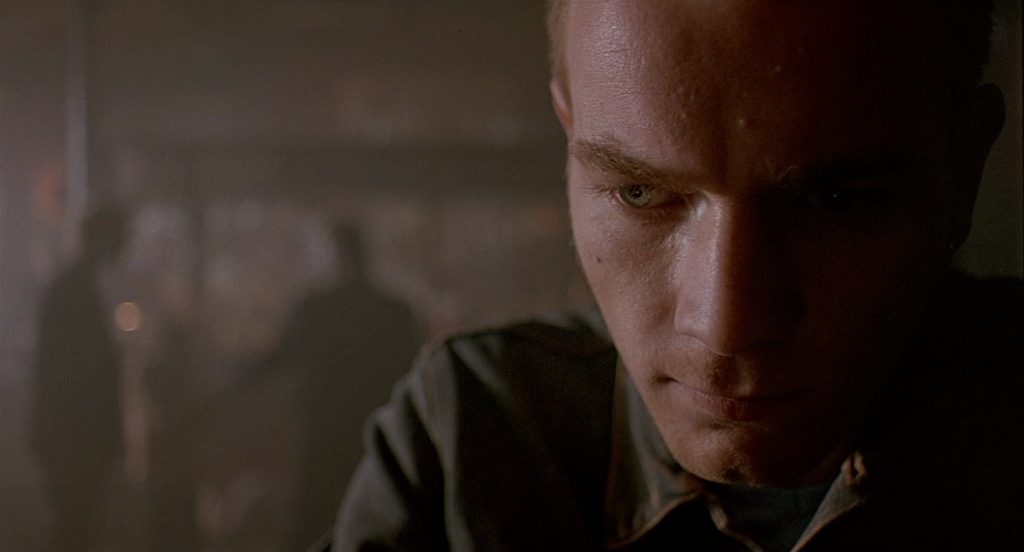
Renton has seemingly managed to do exactly what his famous Trainspotting monologue appeared to promise: he left, quit drugs, moved to Amsterdam, built a career, and created a respectable life.
So why does he return to Edinburgh?
Because that life hasn’t given him what he hoped it would.
Renton succeeded in distancing himself from his old world, but he didn’t necessarily find what he was looking for. He gained stability, comfort, and security, but something remains unresolved. His old friends represent everything he wanted to escape — drugs, chaos, violence, failure — but they also represent a part of himself he never completely left behind.
With them, Renton doesn’t have to play the role of the man who made it. They knew him before Amsterdam, before his career, before his new identity. They know the Renton who existed before he constructed a new version of himself.
This is particularly visible with Sick Boy. When they meet again, they almost behave like two men who have to prove which one has been more successful. Each presents a version of his life, as if he needs to convince the other — but also himself — that he made the right choices.
And gradually, the film reveals that behind this competition, neither man is as fulfilled as he wants to appear.
This is where T2 becomes more interesting than simply saying “choose a normal life.” Renton actually did choose that normal life. He did what the Trainspotting speech seemed to suggest he should do.
And yet, twenty years later, he comes back.
The film therefore asks a much more ambiguous question:
What if escaping one life isn’t enough to find the one you actually wanted?
Renton doesn’t necessarily return because Edinburgh was better than Amsterdam. He returns because part of his past remains unresolved: his friends, his guilt, his memories, but also a version of himself that he left behind.
That’s why the opening shot of T2, with Renton running on a treadmill, is so meaningful. In Trainspotting, he was running to escape. Twenty years later, he’s still running — but he’s not going anywhere.
He has changed cities, careers, and lifestyles.
But perhaps he still hasn’t figured out where he actually wanted to go.
Why Trainspotting is so iconic and nostalgic

That probably explains why Trainspotting hits us so hard. It’s not necessarily the drugs or the specific lifestyle we’re relating to — it’s the feeling of being young with a friend, living inside a little world that felt completely separate from ordinary adult life.
That’s something Trainspotting captures exceptionally well.
When we’re younger and partying with a close friend, there’s often this strange combination of:
- freedom
- stupidity
- intensity
- absurd humor
- risk
- boredom
- loyalty
- feeling like the rest of the world doesn’t quite understand us
And the film doesn’t sanitize that. It makes it funny and exhilarating, while simultaneously showing how destructive it can become.
That’s probably why the characters can feel so familiar even if our actual lives were nothing like theirs.
We don’t have to have been heroin addicts to recognize:
“This is what it feels like when we’re young and everything revolves around the two of us.”
And there’s something particularly poignant about watching T2 afterward.
Because now those guys are older and that little universe has disappeared.
The people are still there, but the time that created the friendship isn’t.
That’s why the reunion scenes can hit harder than the plot itself. Renton and Sick Boy aren’t just meeting again.
They’re confronting:
“Remember who we were?”
And neither of them can actually go back.
Maybe that’s also why we respond so strongly to the contrast between T1 and T2. T1 feels like being inside youth. T2feels like looking back at youth.
One is:
“Fuck it, let’s go.”
The other is:
“Where the fuck did all that time go?”
And if T1 reminds us of our own friendships and younger years, then our reaction to T2 isn’t purely intellectual. We’re watching our own past reflected through these characters.
That’s a very different experience from simply watching a movie we admire.
Growing Without Leaving Ourselves Behind
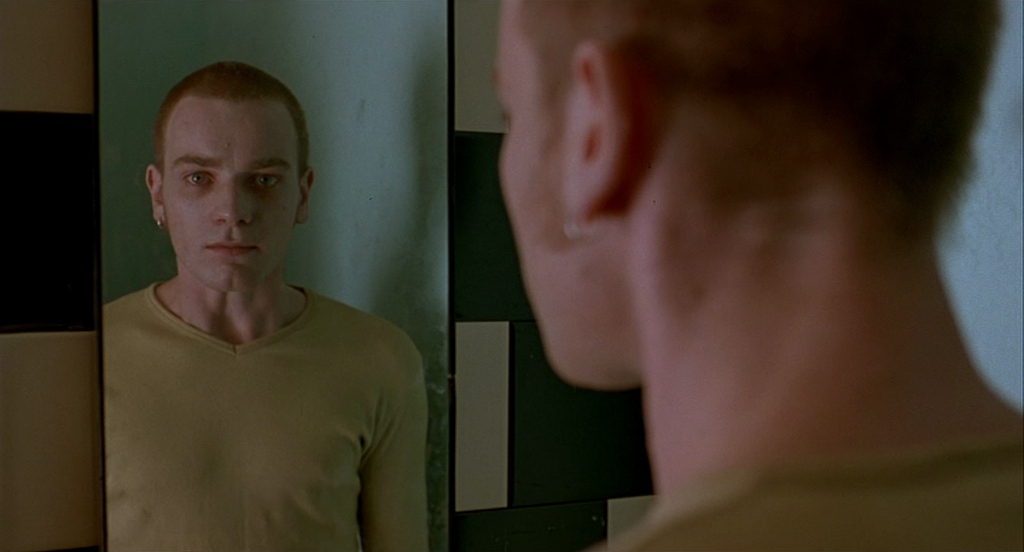
Because we aren’t a single, perfectly coherent will. We can have two legitimate needs pulling us in opposite directions.
One part of us says:
“We have to leave. We have to change. We have to become someone else.”
It seeks autonomy, novelty, potential, and growth. It sees certain habits, relationships, or environments as anchors holding us back.
But another part says:
“Wait. Don’t destroy who we were.”
It seeks continuity, belonging, memories, loyalty, and security. It knows that our former self wasn’t made up only of bad habits. It also contained people, emotions, spontaneity, and a period of our lives that will never come back.
That’s exactly what makes the relationship between Renton and Sick Boy so interesting.
Renton can genuinely think:
“These people are keeping me from becoming who I could be.”
And simultaneously feel:
“But they’re the only people around whom I don’t have to pretend to be someone else.”
Both can be true.
The Trap Is Confusing Separation With Growth
We can believe that in order to become our “best version,” we have to kill the old one:
new friends → new job → new city → new habits → new identity.
But our former self isn’t necessarily something we need to get rid of.
Sometimes, we need to integrate it.
That’s also one of the things T2 seems to understand better than Trainspotting. Renton managed to leave. But twenty years later, he discovers that parts of him are still connected to what he left behind.
And conversely, staying exactly as we were isn’t a solution either.
The real goal might be:
“I can become someone new without having to hate who I used to be.”
It’s a deeply human tension: wanting to become someone without ceasing to be ourselves.
And perhaps that’s precisely what makes the question of Choose Life so interesting.
Choosing our life doesn’t necessarily mean choosing between our old life and a new one.
It can mean taking what was alive in the old one, leaving behind what was destroying us, and building something new with both.
The addiction was never really the drug
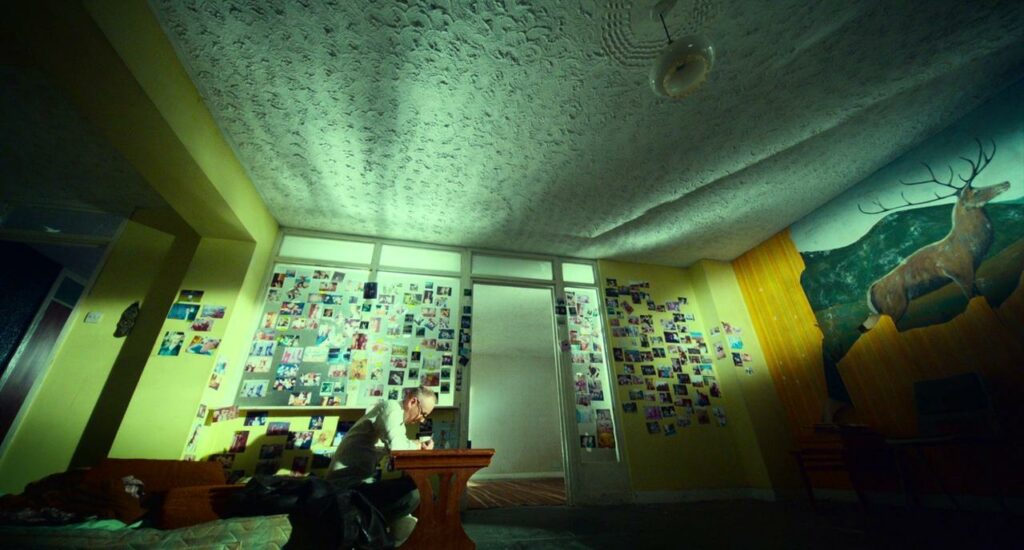
That’s the throughline across both films, stated as plainly as the material allows:
The addiction was never really to the drug. It was to being the author of your own experience, by any means available.
Heroin, violence, nostalgia, reinvention, revenge interchangeable delivery systems for the same appetite. Each gives the characters a temporary feeling that they are steering their own lives, even when that feeling is slowly becoming another form of captivity.
And that may be the cruelest irony of Trainspotting: the characters spend their lives trying to escape being controlled, only to become controlled by the very things they chose to escape through. Renton escapes the script of ordinary life only to become enslaved by heroin. Begbie refuses every form of vulnerability and becomes imprisoned by his need for domination. Sick Boy turns his need for control into schemes and manipulation. Even nostalgia in T2 becomes a way of surrendering the present to the past.
What changes with Spud is not that he finally escapes his past. He learns how to own it.
By writing their story down, he turns experiences that once controlled him into something he can shape, examine and give meaning to. The past stops being something he has to repeat or run from. It becomes material.
That is perhaps the quiet answer the two films eventually arrive at: true autonomy isn’t doing whatever you want. It’s being able to decide what your experiences mean, and what you do with them.
The characters spend years trying to author their lives through destruction. Spud discovers that he can do it through creation.
And maybe that’s why Trainspotting remains so powerful. It never asks us to forgive its characters, or even to admire their choices. It simply understands the desire underneath them the desperate need to feel that, for better or worse, this life is mine.


GIPHY App Key not set. Please check settings