
 dudeoi
Yesterday evening, looking at a Vietnamese photographers’s work, I finally understood something that had always seemed so blurry, almost magical.
When we look at a technically perfect photography, a breathtaking painting, or a flawless performance, it often seems magical almost impossibly crafted.
We see the final result and think: “How did they do that?” But most of what makes mastery look effortless is hidden beneath the surface a combination of sequential learning and invisible scaffolding.

Understanding these concepts not only explains why talent appears so intuitive but also shows how anyone can accelerate their own learning.

OUR SPONSOR OF THE DAY : NEONNIGHT.FR
1. What is Sequential Learning?
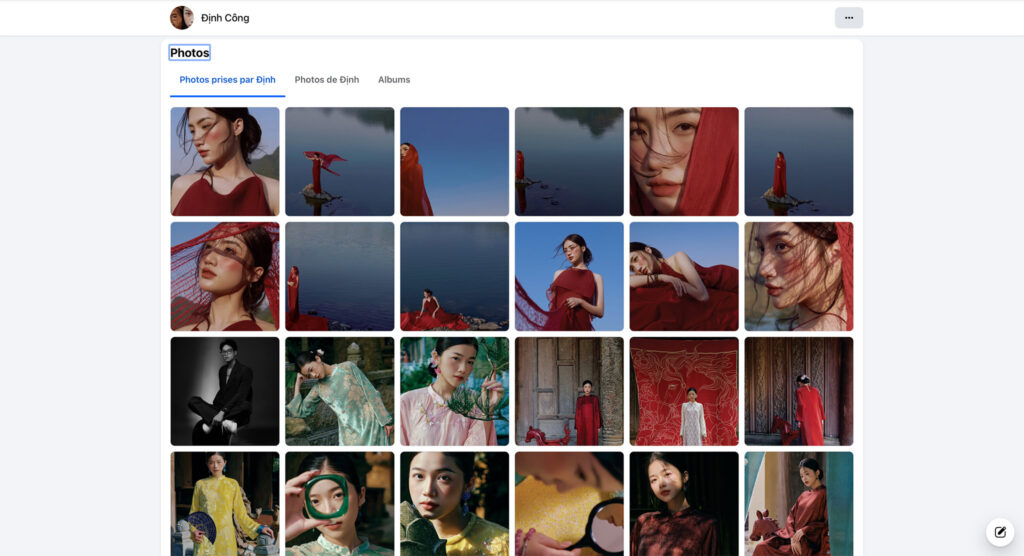
Sequential learning is the step-by-step process by which complex skills are acquired. Our brains cannot process all components of a sophisticated task at once, so we break it into manageable layers, mastering one element at a time before integrating it with others.
Stages of Sequential Learning
- Global Awareness (First Glance)
- The beginner perceives the overall pattern or impression.
- In photography, this is the immediate reaction: “This image is cohesive, has depth, and looks extremely refined.”
- The brain responds emotionally but lacks awareness of the underlying mechanics.
- Component Analysis
- Break the work into discrete elements:
- camera gear
- exposure
- composition
- lighting
- color theory
- posing
- make-up
- hairstyle
- nails
- clothes
- props
- accessories
- textures
- anatomy (beauty science)
- psychology
- philosophy
- culture
- story-telling
- post-processing
- Each component has sub sections with infinite details that are studied and practiced individually.
- Ex : lighting
- technology (led, hmi, tungsten, natural, spectrum differences)
- grip (light stands, grips)
- light modifiers (softbox, strip softbox, book lighting, umbrella, beauty dish, etc.)
- color science (triad, complementary, color contrast, meaning of colors, etc)
- inverse square law
- sharp vs soft shadow vs mixed
- specular highlights
- light ratios
- consistency of exposure
- lighting for wide vs lighting for medium and close-up
- Ex : lighting
- Break the work into discrete elements:
- Layered Integration
- Components are combined incrementally.
- You observe how light interacts with color, how pose interacts with texture, how props influence composition.
- This builds connections in your brain between separate elements.
- Pattern Recognition & Internalization
- Repeated practice allows your brain to encode patterns subconsciously.
- You can recognize harmony, imbalance, or tension almost instantly.
- What once required analysis now appears intuitive.
- Rapid Iteration & Experimentation
- Adjustments can be made in real-time, informed by internalized knowledge to the smallest of details.
- Example: moving a reflector slightly, tilting a model’s chin, or tweaking color balance — decisions are guided by intuition backed by experience.
- First-Glance Mastery
- Years of sequential practice culminate in the ability to perceive both the global effect and micro-details at once.
- The brain synthesizes everything automatically, giving the impression of genius or effortless perception.
2. What is Invisible Scaffolding?
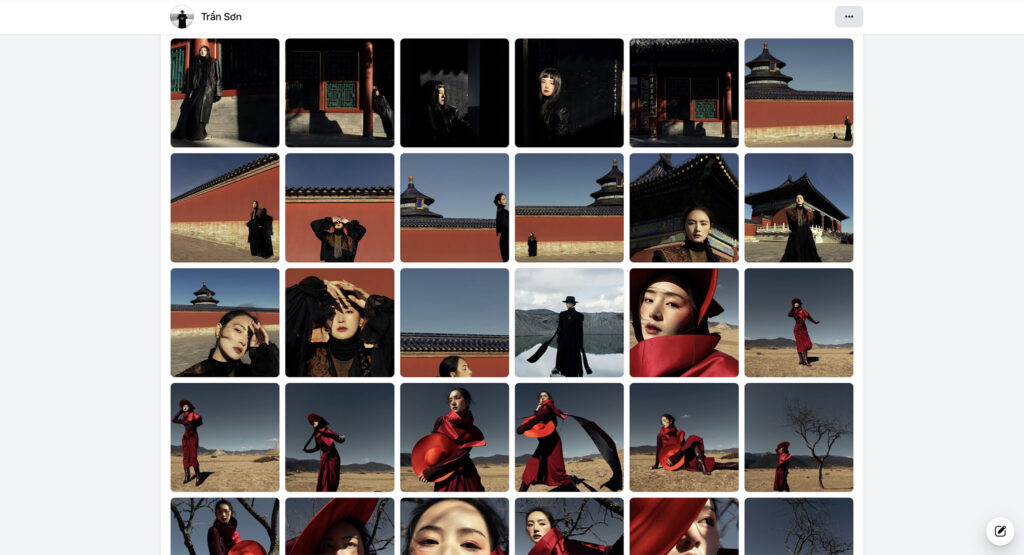
Invisible scaffolding is the hidden structural framework that supports mastery, but which is not immediately visible to untrained observers.
- It’s the combination of rules, patterns, and relationships that make something appear cohesive, harmonious, or luxurious.
- While the audience sees only the finished product, the scaffolding is the mechanical and conceptual architecture that produces that effect.
Examples in Photography
- Lighting: subtle key-to-fill ratios that shape mood
- Color Harmony: palette choices that guide emotional response
- Composition: precise balance, weight distribution, and framing
- Pose and Gesture: micro-adjustments that suggest confidence or tension
- Texture & Props: interactions that add depth and richness
The untrained eye only perceives the result — harmony, beauty, or impact.
The trained eye sees the scaffolding beneath it, which is essential for reproducing mastery.
3. Why Sequential Learning Reveals Invisible Scaffolding

The two concepts are deeply linked:
- Sequential learning teaches you each element individually, making the scaffolding visible step by step.
- Initially, the scaffolding is invisible to your brain — you only react emotionally to the final result.
- By practicing elements in isolation and then integrating them, the scaffolding becomes consciously perceivable, and eventually intuitive.
In other words:
You can’t see the structure until you build it yourself, and once built, the structure becomes your invisible guide for future mastery.
That’s why many people succumb to the Dunning-Kruger effect: they simply lack the capacity to recognize true mastery and depth. And that’s why to master a field you have to be willing to be a fool first.
4. Why Mastery Feels Effortless
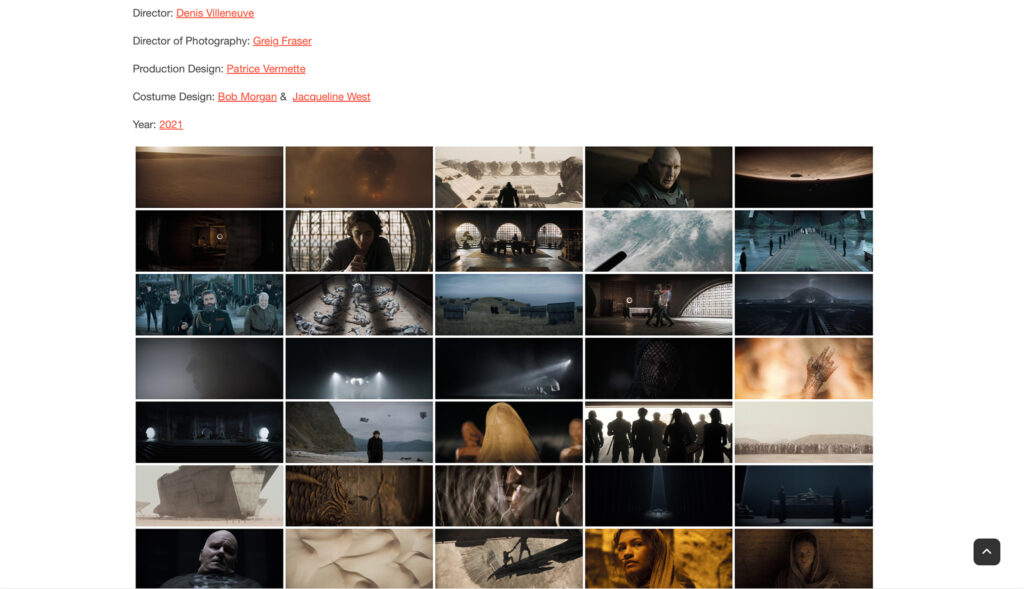
When someone appears to “see everything at once,” they are actually operating on internalized scaffolding.
- Years of sequential learning have encoded rules, patterns, and interactions into their subconscious (10,000 hours rule).
- Adjustments that take beginners hours to analyze happen instantly.
- The brain perceives both macro and micro simultaneously — giving the impression of genius.
Even geniuses cannot completely bypass sequential learning; they just internalize the steps faster and trust intuition earlier.
5. Implications for Creative Practice

Understanding these concepts can transform your approach:
- Start Simple: Focus on mastering one component at a time.
- Analyze Intentionally: Deconstruct images, performances, or skills to see the scaffolding.
- Integrate Gradually: Layer complexity as you gain confidence and understanding.
- Internalize Patterns: Repeat, reflect, and practice until micro-decisions become instinctive.
- Trust the Scaffold: Use invisible scaffolding as a guide for experimentation — it lets you innovate while staying grounded.
6. The Key Insight

The magic of mastery isn’t magic at all. It’s the result of step-by-step learning and deeply internalized invisible scaffolding.
- At first glance, the work looks effortless and perfect.
- Upon study, you realize there’s a complex architecture beneath the surface.
- With deliberate sequential practice, you too can make the invisible scaffolding visible, and ultimately, internalized.
7. What it means about following your passion or your potential

This suggests that anything is learnable, as long as you are willing to invest the necessary efforts (to respect your intrinsic sense of meaning) and accept the price that comes with it (face the truth and leave the herd).
The hardest part is taking that first step—embracing the role of a novice until you can perceive and master the unseen scaffolding that supports true skills.
Clearly, people may be born with natural talents, but ultimately, these abilities must be honed through consistent practice and dedicated effort.
1. Self-Efficacy vs. Skill
- Skill/competence: Knowing how to do something well.
- Self-efficacy: Believing you can actually use your skills successfully in the real world. Many people are competent but lack the belief that their actions will lead to meaningful results. This gap often makes them settle for “safe” options.
2. Fear of Uncertainty and Failure
- Following your passion usually involves risk: financial instability, social judgment, or visible failure.
- People who don’t pursue their calling often overestimate the dangers or underestimate their ability to recover from setbacks.
- Confidence in skill doesn’t automatically translate to confidence in navigating life’s unpredictability.
3. Identity and Social Anchoring
- A “realistic” job often aligns with societal expectations—stable, recognizable, socially approved.
- People fear that chasing something unconventional might threaten their sense of self or how others perceive them.
- True courage involves aligning your external actions with your internal calling, even if it risks social friction.
4. Delayed Gratification vs. Immediate Comfort
- Pursuing a calling often means enduring short-term discomfort for long-term fulfillment.
- Many competent people choose comfort and security over uncertainty, which psychologically feels safer but comes at the cost of personal meaning.
- Meaning in life demands relentless growth and ongoing self-assessment.
5. The Rarity of Action-Oriented Confidence
- This is a rare form of confidence that combines:
- Belief in your skill.
- Belief you can navigate life’s unpredictability.
- Emotional resilience to setbacks.
- It’s not about being fearless—it’s about acting despite fear.
In short: Competence alone isn’t enough. The people who pursue their calling combine skill with psychological courage, trust in themselves, and a willingness to navigate uncertainty. Most people stop short not because they’re not capable, but because the courage to act consistently is far harder to cultivate.
If you are not willing to be a fool, you can‘t become a master. Jordan B. Peterson
Why Following Your Passion is answering your call
Pursuing what you are passionate about transforms your work into a source of true motivation and meaning. It allows you to develop your skills while staying fully aligned with your values, engaged in your actions, and fulfilled in your accomplishments.
- You attract people, opportunities, and experiences that resonate with your needs and your vision for life, building a path that is rich, meaningful, and deeply lived.
- Your choices and actions become the authentic reflection of your deepest interests.
- You integrate and master skills more quickly, because learning becomes natural and intuitive.
- You unlock and fully realize your potential, going beyond what you thought was possible.
Following your passion is, in a way, answering the call of your destiny. Rather than settling for choices dictated by security or habit, you align with what resonates deeply within you.
Each step on this path reveals not only your abilities and potential but also brings you closer to what you are truly meant to accomplish in life.
Passion then becomes the guiding thread that transforms daily life into a meaningful journey, where skills, experiences, and encounters converge toward what could be called your true vocation.
OUR SPONSOR OF THE DAY : NEONNIGHT.FR
Conclusion
Sequential learning and invisible scaffolding explain why mastery appears effortless, why some images or performances feel “magical,” and why experts can intuitively make decisions that beginners cannot.
By understanding these concepts, any photographer, artist, or creative professional can see the hidden structure, accelerate their learning, and begin creating work that looks both refined and effortless — without relying on blind imitation or luck.
These approaches also remind us that while physical limitations can impose real constraints, in intellectual or artistic endeavors, success often depends more on efforts and perseverance rather than on innate abilities on the long run.


GIPHY App Key not set. Please check settings