
 dudeoi
The Truman Show is deceptively light on the surface, but thematically it’s one of the most precise films ever made about freedom, self-authorship, and social control. Here’s a clear, layered breakdown.
In this article, we will also explore what self-authorship really is—and why it is not for everyone.
A word of caution: if you prefer living by inherited values rather than creating your own, this piece may not be pleasant. Consider skipping it before choosing to read it or accept full responsibility for the following consequences.


OUR SPONSOR OF THE DAY : NEONNIGHT.FR
The main themes
1. Truman’s life as a constructed script

Truman’s world is:
- designed
- rehearsed (social reproduction)
- edited
- monetized
Everyone around him plays a role (persona), not a self.
Theme:
Most people don’t live lives they chose — they live lives written for them by:
- family
- culture
- media
- economics
- structures
If both are ultimately fine, Truman’s life is an extreme version of the inherited life, and its structures remain familiar.
2. The comfort of illusion vs the risk of truth
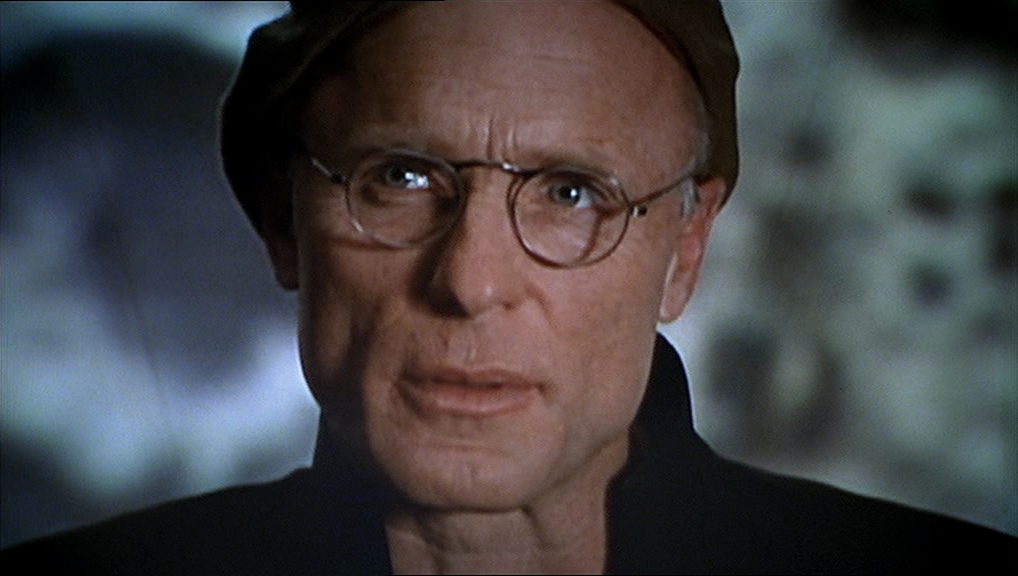
Christof’s argument is chilling:
“There’s no more truth out there than in the world I created for you.”
This captures a central theme:
- Safety and predictability can be more comforting than freedom.
- Illusion protects from pain — but at the cost of authorship.
Truman chooses: uncertainty over comfort. That’s existential courage but also pain relief (not to be mistaken with pain avoidance) because once you feel and see the lie, you cannot longer live with it (cognitive dissonance).
3. Surveillance and internalized control
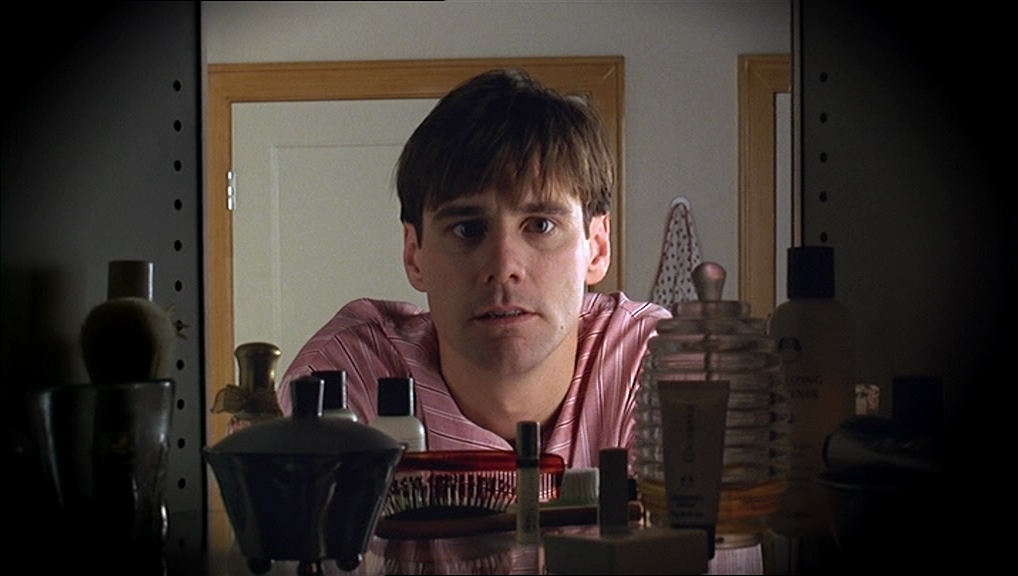
Truman doesn’t know he’s watched — yet he behaves.
This mirrors real society:
- We internalize norms.
- We self-censor.
- We fear deviation with or without explicit punishment (social rejection).
Theme:
- The most effective control is invisible.
- You don’t need walls if people police themselves and sometimes mutually.
4. Manufactured relationships
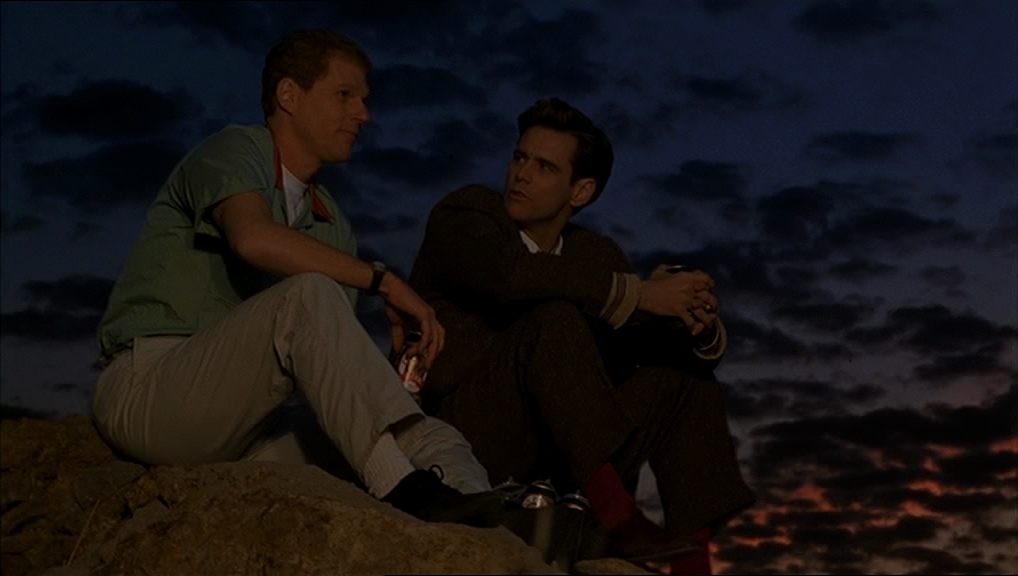
Truman’s:
- marriage
- friendships
- career
Most Truman’s relationship are functional, not authentic (when loyalty is to approval, not to inner truth). In the film even love is scripted. This raises a brutal question:
If a relationship feels real (real genuine shared moments) to you but is fake in intention (avoiding the truth, mutually comforting) — is it real?
5. Fear as a boundary mechanism

Truman’s fear of water is implanted.
This represents:
- learned limitations
- inherited anxieties
- unconscious “don’t go there” rules
Every society installs indirectly and unconsciously fears to keep people inside acceptable and beneficial paths for society (for example through connecting self-worth to obedience at a young age for servility).
6. Awakening through anomalies

Truman doesn’t wake up via rebellion.
He wakes up via inconsistencies:
- repeated faces
- precisely timed routines
- accidental broken scripts
- emotional dissonance
Awakening begins when external reality stops cohering with internal psychological reality.
7. The audience’s complicity

Viewers in the film:
- Consume Truman’s life as entertainment
- Empathize, but don’t intervene
Theme:
Society is often aware of exploitation — and passively accepts it.
We say:
“At least he’s safe.”
“That’s just how it is.”
8. God, creator, and false authority
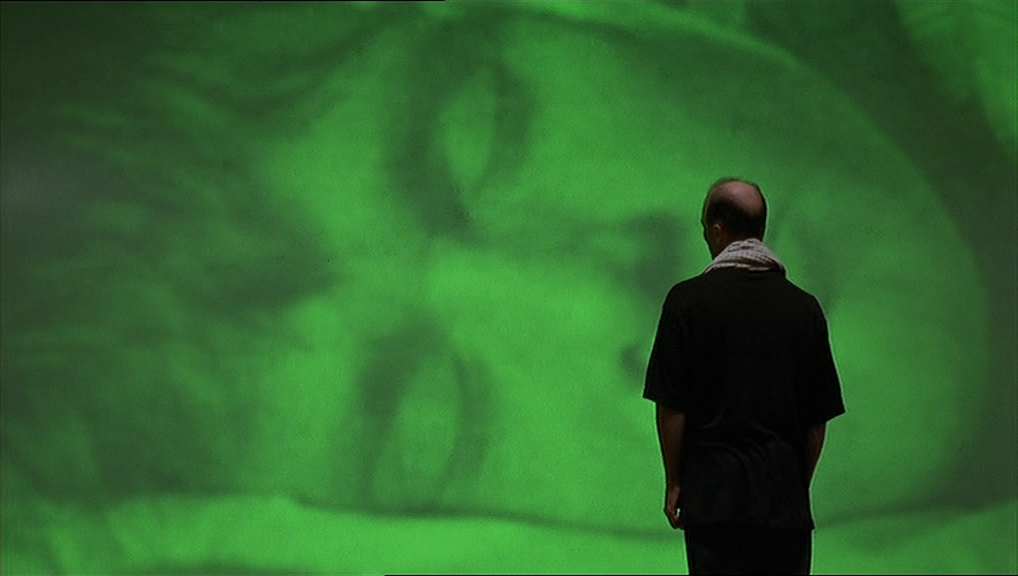
Christof plays god:
- omniscient
- controlling
- “protective”
But he denies Truman the one thing that makes life human: choice (free will).
This is a critique of:
- authoritarian paternalism
- institutions that claim to know what’s best for you
9. The exit: self-authorship in action

The final act isn’t heroic violence.
It’s a decision.
Truman:
- bows
- thanks them
- leaves
No revenge. No speech. Just authorship.
10. The core message (one sentence)

A life without risk is not freedom, and a life without authorship is not fully human.
Why the film still matters
Because modern life increasingly looks like Truman’s world:
- curated realities
- algorithmic and societal scripts
- performative identities
- invisible surveillance
- economic servility
The question the film asks you is simple and uncomfortable:
Which parts of your life were truly chosen — and which were merely inherited?
What are the psychological traits required for self-authorship?

Self-authorship isn’t a talent or a personality type — it’s a psychological capacity. But certain traits make it possible, and without them it simply collapses.
Here are the core psychological traits required, clearly and without romanticism.
1. Tolerance for anxiety and uncertainty
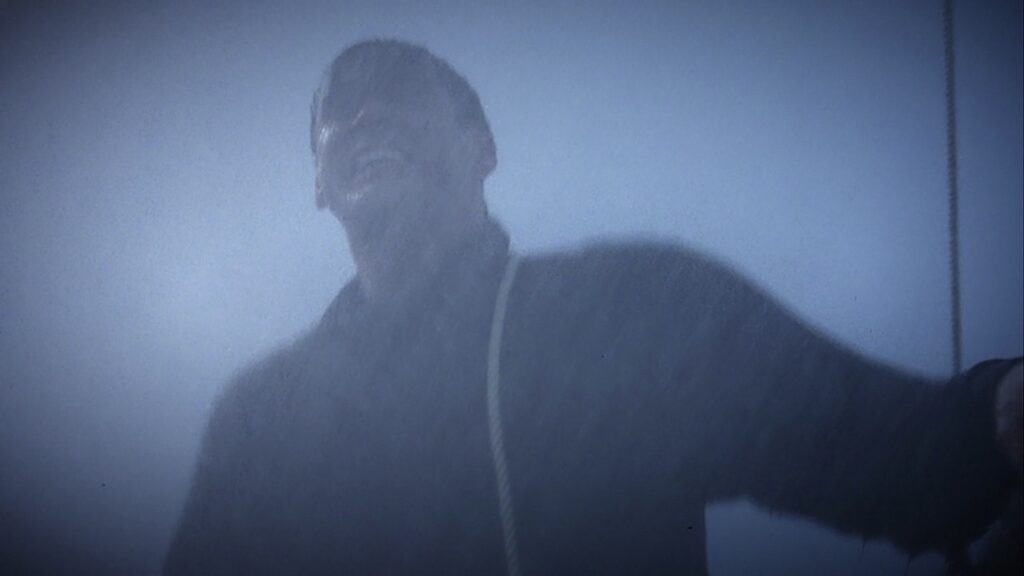
Self-authorship means:
- no script
- no guaranteed approval
- no clear benchmarks
You must tolerate:
- ambiguity
- not knowing if you’re “right”
- delayed validation
Most people escape this through conformity and numbing symbolic activities. If you need certainty, you cannot self-author.
2. Internal locus of evaluation
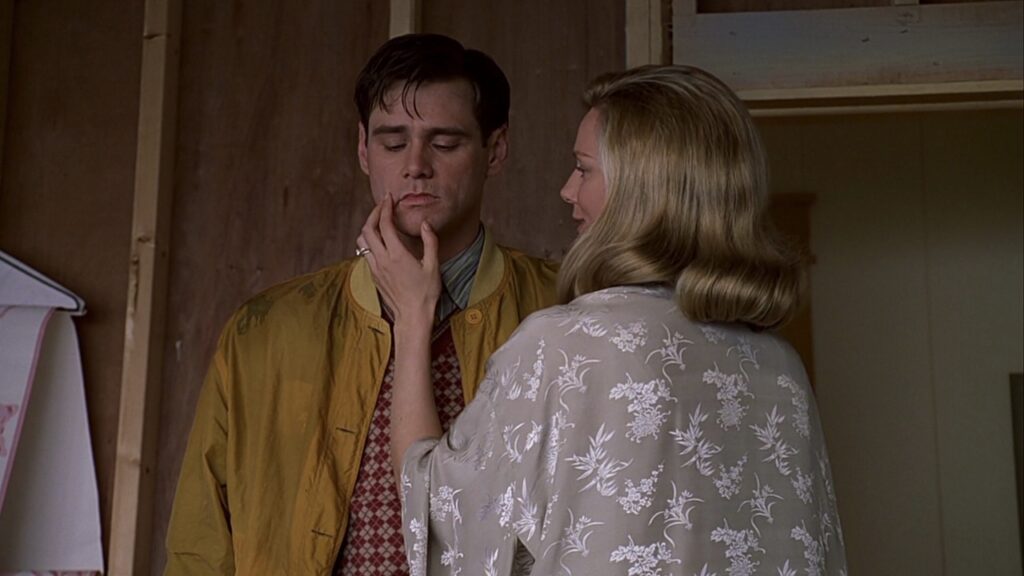
You can listen to feedback without outsourcing your worth.
This requires:
- self-trust
- reflective judgment
- emotional independence
You ask:
“Is this aligned with my values?”
not
“Do they approve?”
3. Capacity for solitude (without collapse)

Not physical solitude — psychological solitude.
You can:
- stand alone in your thinking
- survive being misunderstood
- hold a position without immediate reinforcement
This is rare and often confused with arrogance — it’s neither.
4. Emotional regulation under friction
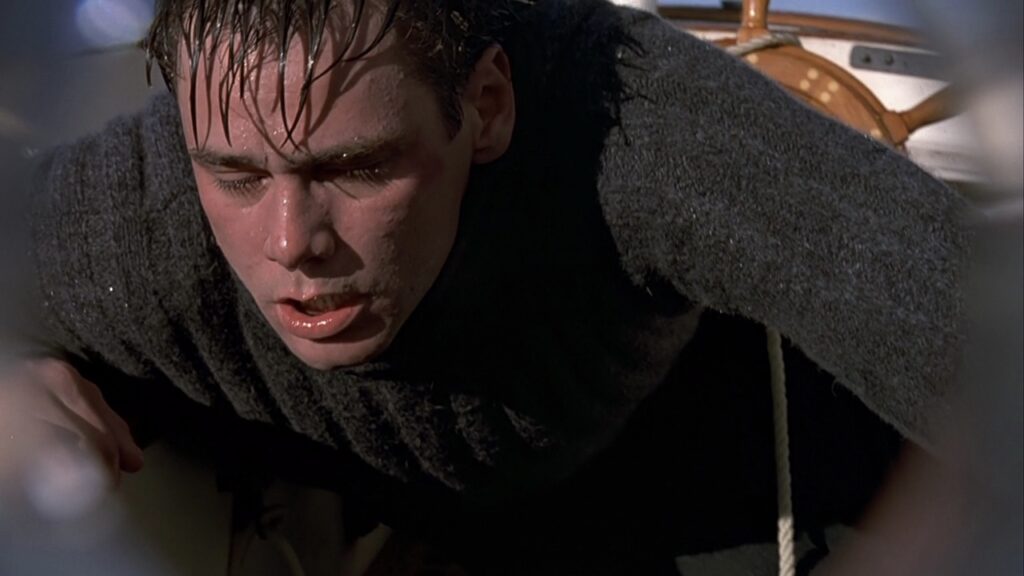
Self-authorship brings:
- criticism
- doubt
- envy
- guilt
You must regulate:
- shame
- fear
- resentment
Not suppress — contain and metabolize.
5. Responsibility without victimhood

You accept:
- consequences
- trade-offs
- mistakes
You don’t say:
“The system forced me.”
You say:
“I chose this — and I’ll carry it.”
This trait alone separates authors from followers (without contempt).
6. Ability to integrate contradiction
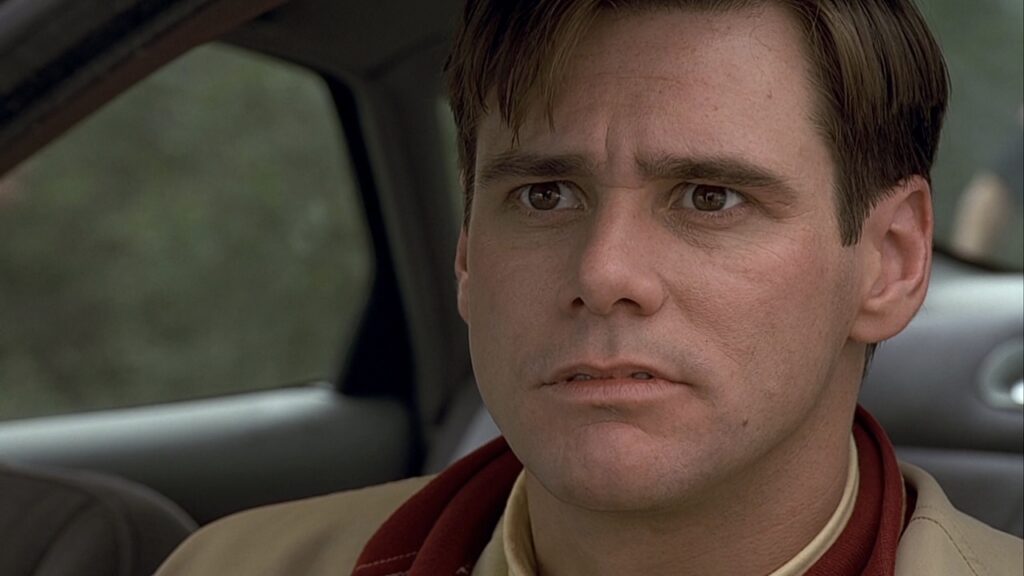
You can hold:
- desire and restraint
- freedom and responsibility
- ambition and care
Without splitting into:
- self-denial or selfishness
Self-authorship requires integration, not purity.
7. Delayed gratification with meaning

You can sacrifice:
- short-term comfort
- immediate pleasure
- fast rewards
- superficial and group validation
For:
- coherence
- dignity
- long-term alignment
This is why self-authorship looks “irrational” or even “abstract” to outsiders.
8. Willingness to disappoint others
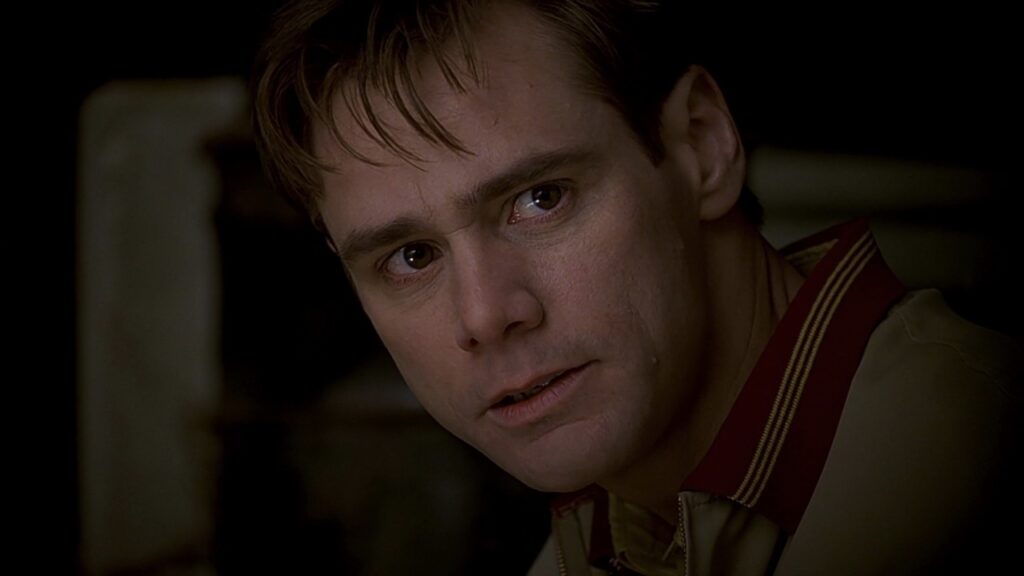
This is brutal but essential.
You must accept:
- potentially disappointing parents
- potentially unsettling peers
- potentially violating unspoken expectations
Without becoming cruel or defensive.
You cannot self-author while protecting everyone else’s comfort who are still living inside the scripted existence.
9. Symbolic literacy
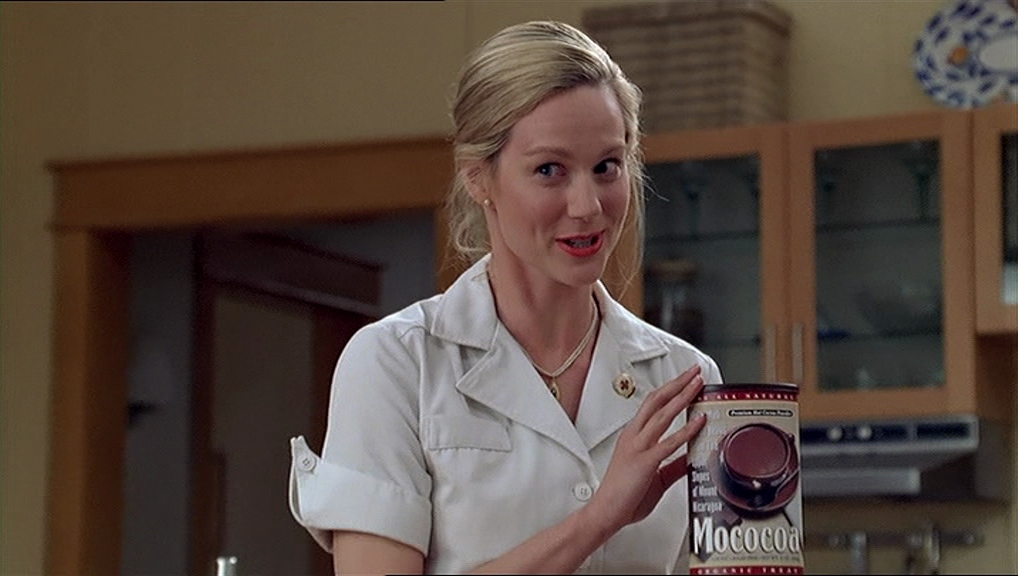
You understand:
- social and power games
- status signals
- narratives
- control systems
- exploitation mechanism
So you’re not naïve, but also not enslaved by them.
You see the game — and choose how (or whether) to play.
10. Meaning-making capacity
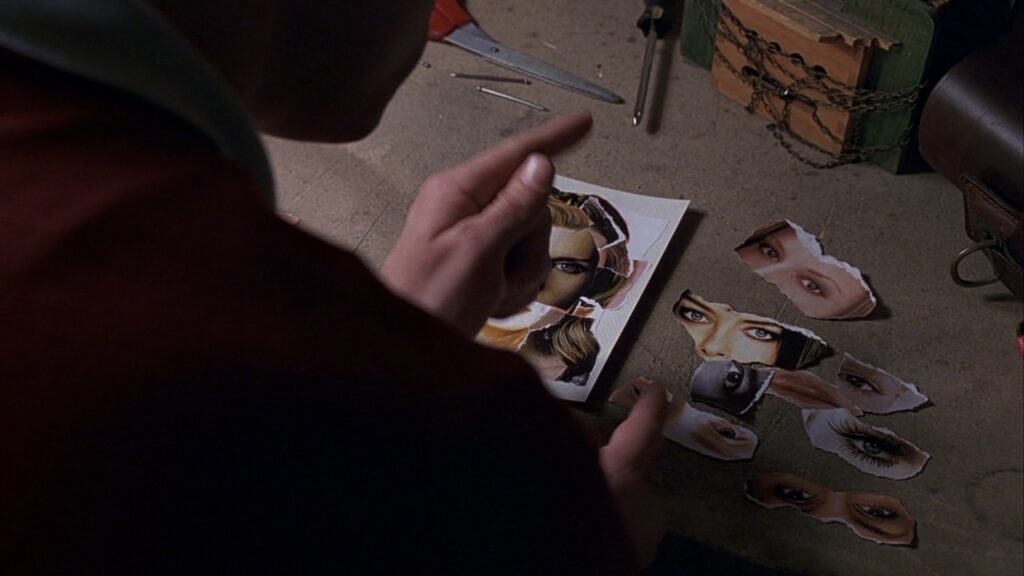
You don’t wait for meaning to appear. You generate it through action.
This includes:
- art
- craft
- family
- service
- creation
Without needing applause to confirm it exists.
In short
Self-authorship requires: psychological strength without rigidity, independence without isolation, and responsibility without martyrdom.
It’s not heroic. It’s costly. And that’s exactly why it’s rare. Because the price is real, and the reward often goes unnoticed (internal coherence).
Why self-authorship is uncommon and necessarily so
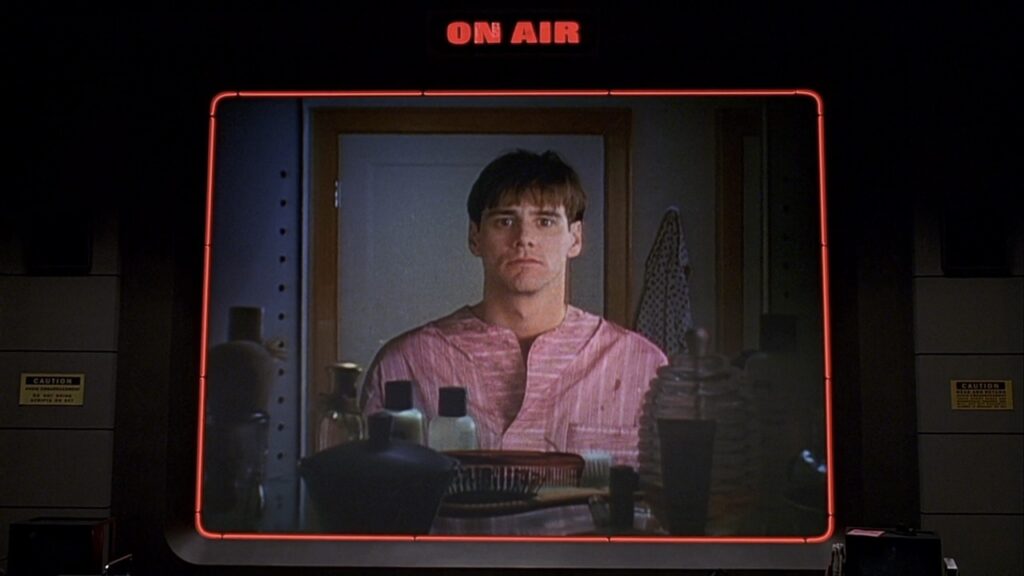
Self-authorship — creating your own values, defining your own life — is rare because it is cognitively and emotionally costly. It demands constant reflection, responsibility, and tolerance for uncertainty and isolation.
Most people rely on social scripts, routines, and shared norms because they reduce fatigue, provide stability, and make coordination possible. Societies need predictability, and excessive self-authorship would generate noise, conflict, and moral fragmentation.
Only a minority can sustain it, requiring psychological resilience, social support, and sometimes economic freedom. These self-authors are crucial: they innovate, challenge stagnation, and expand what’s possible.
But for most people, scripts provide safety, belonging, and meaning. In short, self-authorship is not “better” — it’s different, demanding, and necessarily rare.
Why The Truman Show still resonates with a large audience

The film captures a universal, pre-verbal intuition: life may feel scripted. We recognize Truman’s surveillance, his struggle between safety and freedom, and the tension of leaving the familiar for the unknown.
His journey mirrors our own transition to autonomy, showing that true freedom is costly and unsettling. The ending resonates because it validates a feeling everyone senses but rarely confronts: that safety can imprison, and real choice begins with uncertainty.
The benefits of self-authorship

- Define your own values – instead of adopting what others tell you is right or important.
- Make independent decisions – taking responsibility for your actions and their consequences.
- Navigate uncertainty – tolerating ambiguity, risk, and delayed rewards without relying on external validation.
- Integrate contradictions – balancing desire, responsibility, freedom, and restraint without collapsing into extremism or self-denial.
- Create meaning from within – turning experiences, work, relationships, and creativity into sources of personal significance rather than relying on society to provide them.
- Resist manipulation or symbolic control – understanding social games and power structures while choosing whether or how to participate.
Self-authorship restores personal agency. It’s about taking the driver’s seat of your own life.
What is self-authorship required for
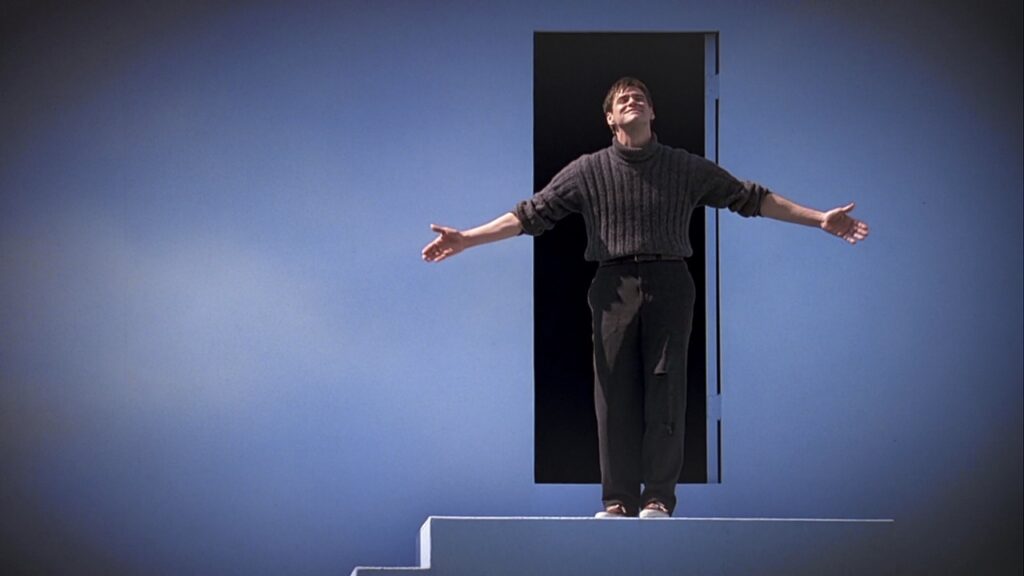
Self-authorship is essential for achievements that can’t be prescribed, delegated, or guaranteed. When the path isn’t defined and rules aren’t fixed, only self-authored individuals can navigate it successfully.
It’s crucial for:
- Original creation and innovation – founding a startup, writing a novel, or creating groundbreaking art.
- Breaking or redefining norms – challenging systems or pioneering social change.
- Extreme freedom and unconventional paths – living off-grid, traveling indefinitely, or crafting a life outside societal expectations.
- Moral or ethical leadership in uncharted contexts – leading where no standard code applies.
- Mastery under uncertainty – excelling in volatile, rapidly evolving domains.
In short: self-authorship is essential whenever success requires charting your own path and taking full responsibility for the outcomes. Without it, achievements depend on borrowed rules and risk feeling hollow.
Why most people shy away from true self-authorship
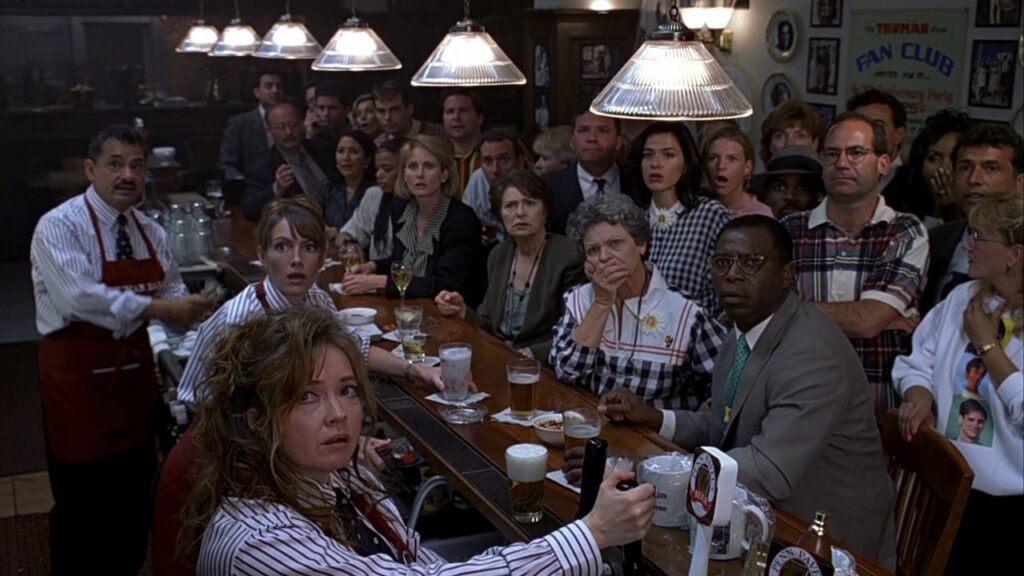
Most people shy away from true self-authorship because it’s demanding, uncertain, isolates temporarily and exposes them to failure, conflict, and existential anxiety.
Yet at the same time, almost everyone wants the signal of having it: the prestige, recognition, or admiration that comes from being seen as independent, creative, or “self-made.” They want the badge without paying the cost.
It’s why so many celebrate innovators, artists, rebels, athletes and entrepreneurs in stories, media, or social circles — while rarely taking the internal, difficult steps themselves. They desire the status without the friction, the visibility without the full responsibility.
Why social scripts sustain collective life

Conversely, social scripts play a fundamental role: they provide the very structure of society. Without these shared frameworks—rules, roles, norms, and routines—no lasting coordination would be possible. Scripts reduce uncertainty, stabilize behavior, and make collective life predictable. Without them, the world would not be freer, but quickly chaotic and unable to function at scale.
There is a quiet heroism in those who carry responsibility to sustain life for others, regardless of how visible or celebrated their roles may be. Their contribution isn’t dramatic or glamorous; it lies in consistency, reliability, and presence.
They show up every day, absorb pressure, make sacrifices, and keep essential systems running—often without applause. This form of heroism doesn’t seek recognition, yet without it, families unravel, institutions fail, and societies lose their footing. It is the courage of endurance, of choosing duty over spectacle, and it deserves as much respect as the more visible acts of individuality or rebellion.
This is part of why self-authorship must remain rare: it’s not just about ability, it’s about willingness to live with the uncomfortable truths that others mostly avoid sometime justifiably so.
OUR SPONSOR OF THE DAY : NEONNIGHT.FR
Conclusion
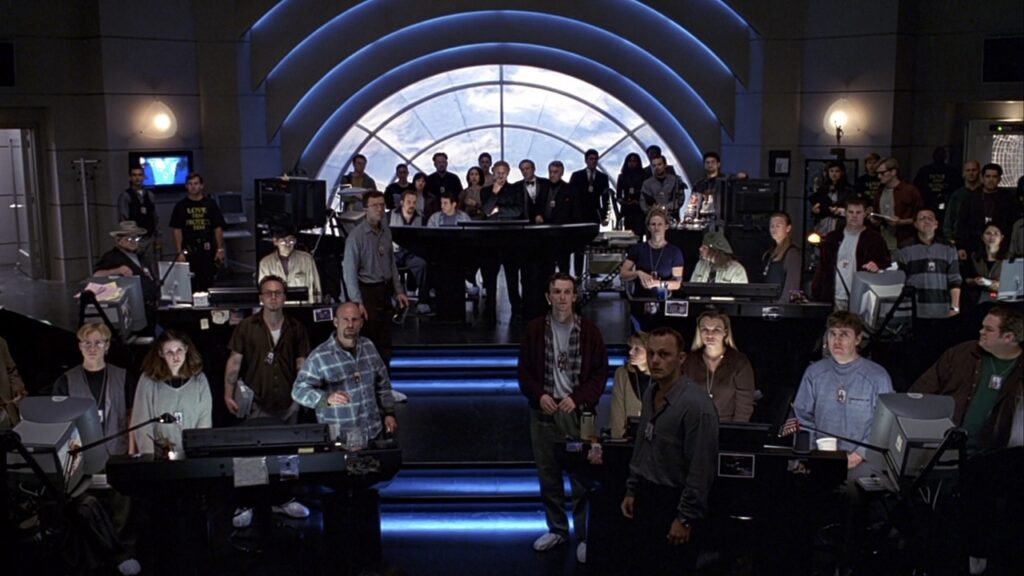
Self-authorship is rare and demanding, and for most people, life within established scripts provides stability, belonging, group validation and practical guidance. The script although not intrinsically authentic is legible and effective.
At the same time, a few self-authored individuals challenge norms, explore new possibilities, and expand the boundaries of what is possible. The Truman Show resonates because it reflects this tension between security and freedom, the known and the uncertain.
True authorship is not inherently better, nor is script-following inherently worse it is even considerably better for most people — each comes with costs and benefits.
Both are necessary for individuals and societies to function, and balance between them is what makes life sustainable and pleasant.


GIPHY App Key not set. Please check settings