
 dudeoi
Have you ever wondered what the real price of a product is—and why there can be such a large gap between prices applied in two different countries?
In this article, we’ll begin with concrete examples of product prices, then step back and let you draw your own conclusions about the gap you’re paying for.
10 examples of price differences for products
1. Casper washing machine (84 euros in Asia vs 249 euros in Europe)
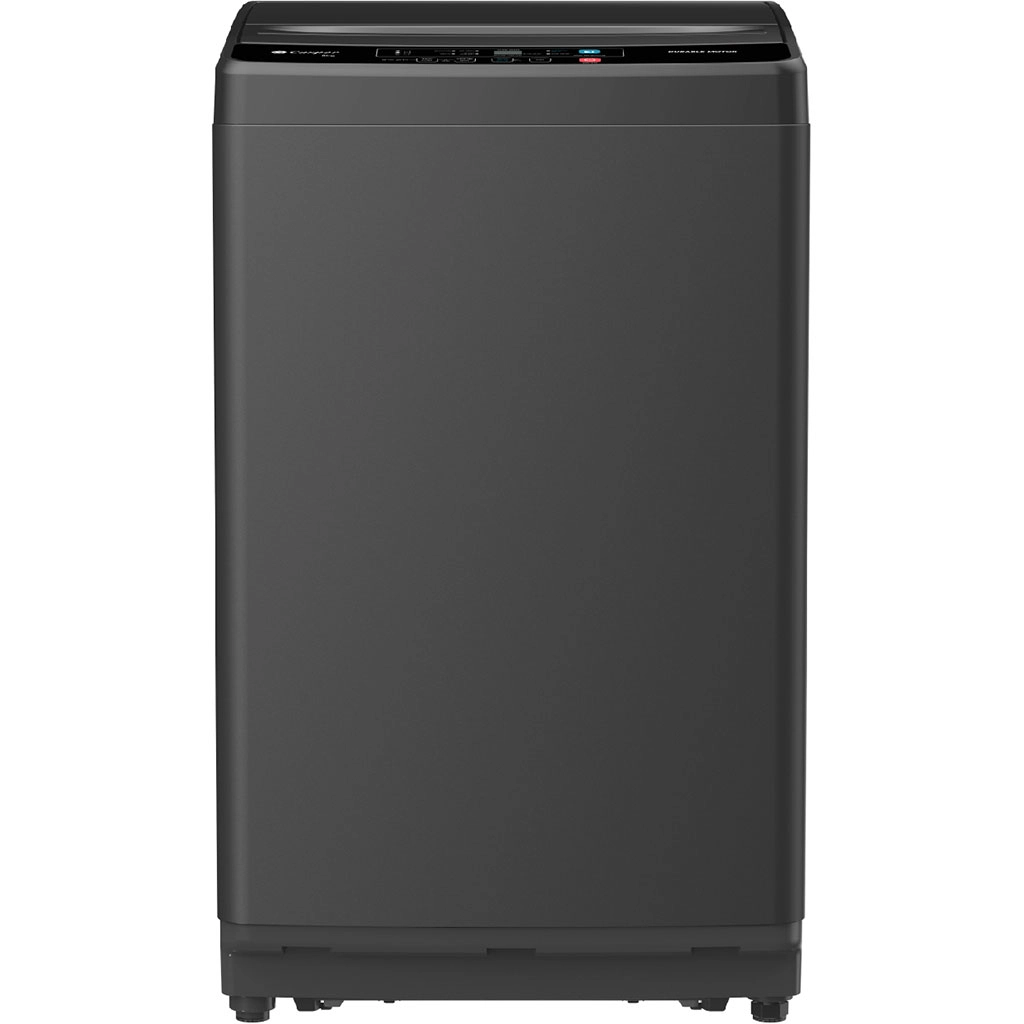
A basic washing machine in South-East Asia can cost as little as €84. This price includes shipping and a 12-year warranty for a model manufactured in Thailand.

It’s not an advanced washing machine—for instance, it doesn’t have a water heater to warm the water, and the drainage system likely relies on gravity rather than a pump. But it does the job and does it well.
We estimate that a comparable product in Western countries would cost at least €249.
2. Makita electric drill (80 euros in Asia vs 215 euros in Europe)
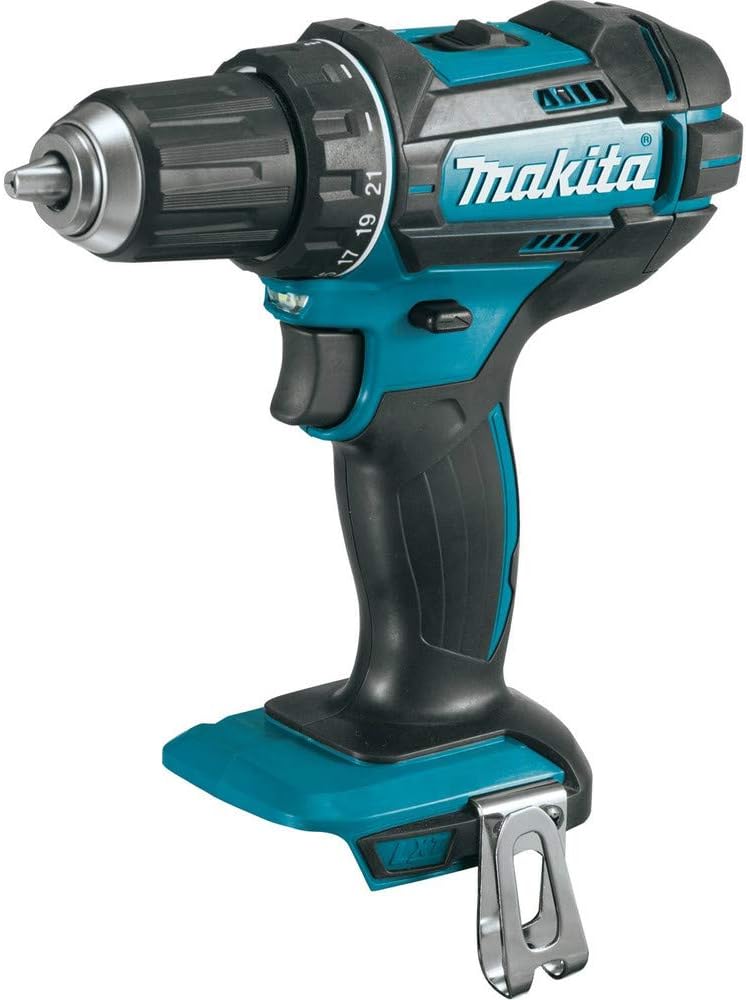
A Makita drill highlights the range of products available in South-East Asia.
You can find a counterfeit model for as little as €6, a Chinese-made version with reasonable reliability for about €40, or the authentic professional-grade original priced around €80.
By comparison, the same original product would cost roughly €215 in Europe.
A few words on the extremely cheap drill. First of all, it’s hard to believe that a working electric drill — complete with battery, charger, plastic, and metal components — can cost about the same as the cheapest jambon beurre sandwich in France.
A few words on cheap knockoff electric drills
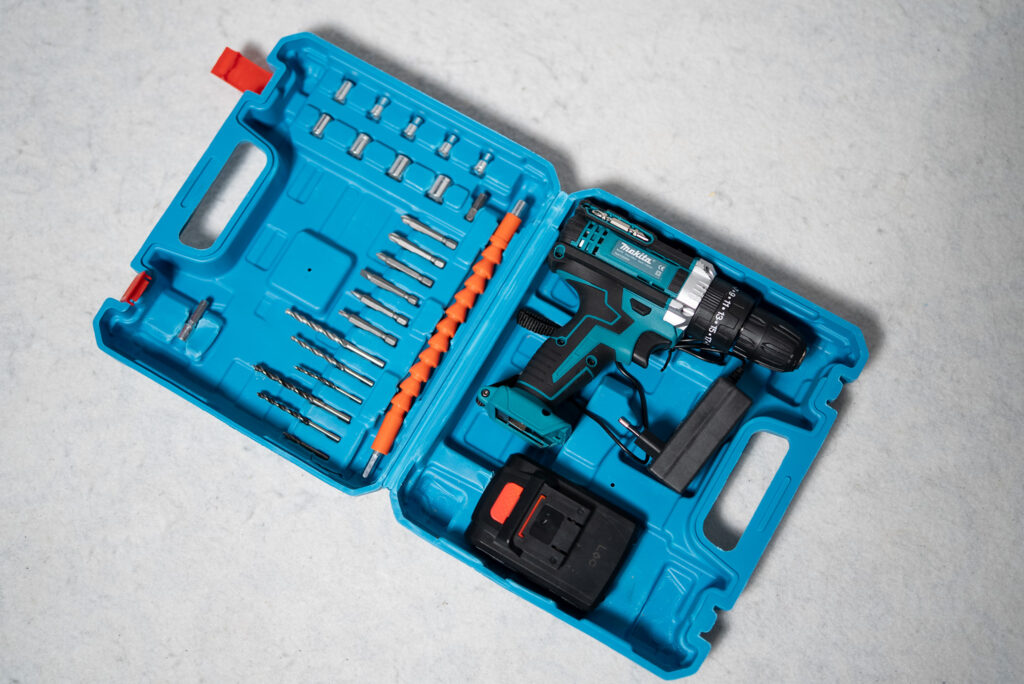
But it’s important to note that these drills aren’t really proper tools in the traditional sense. They can complete basic tasks, but they function more like a single-use or very limited-use tool. For example, the metal drill bits and cross-head attachments often break or wear out after just one use. Still it is definitely amazing to see that such products can be produced and sold at this price.
3. Used Sewing Machine Juki DDL-900A-S (200 euros in Asia vs 1000 euros in Europe)
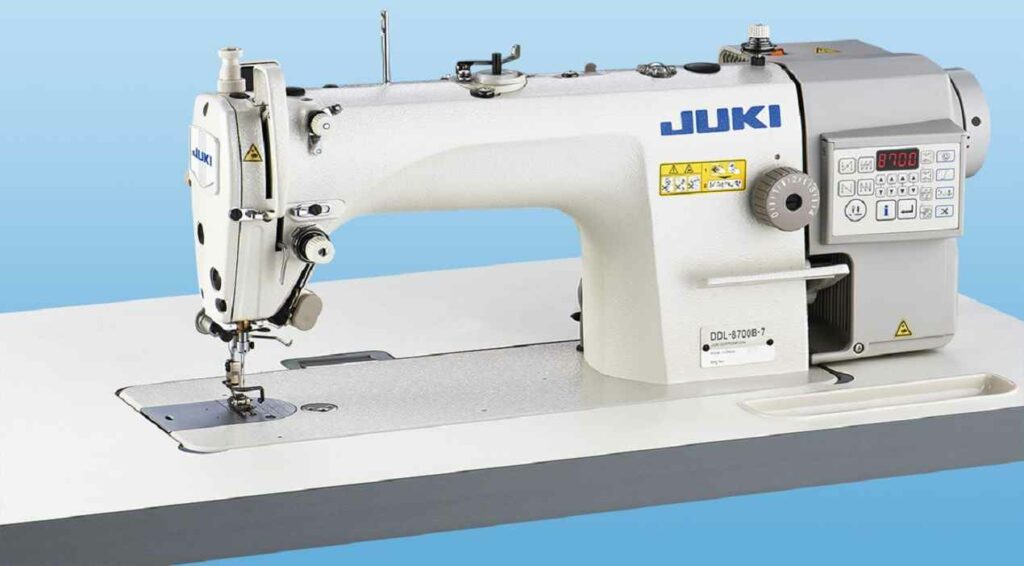
In South-East Asia, a genuine Vietnamese-made Juki DDL-900A-S sewing machine, refurbished with a third-party direct-drive motor and equipped with a basic table and pedal system, can be purchased for about €200, shipping included.
In contrast, a second-hand Chinese-made Juki DDL-900-D listed on Leboncoin in France typically goes for around €1,000, excluding shipping.
Some might argue it’s like comparing apples and oranges. That’s true, but both machines ultimately produce a very similar result.
4. McDonalds Double Cheese Best Of Menu (3,35 euros in Asia vs 9,25 euros in Europe)
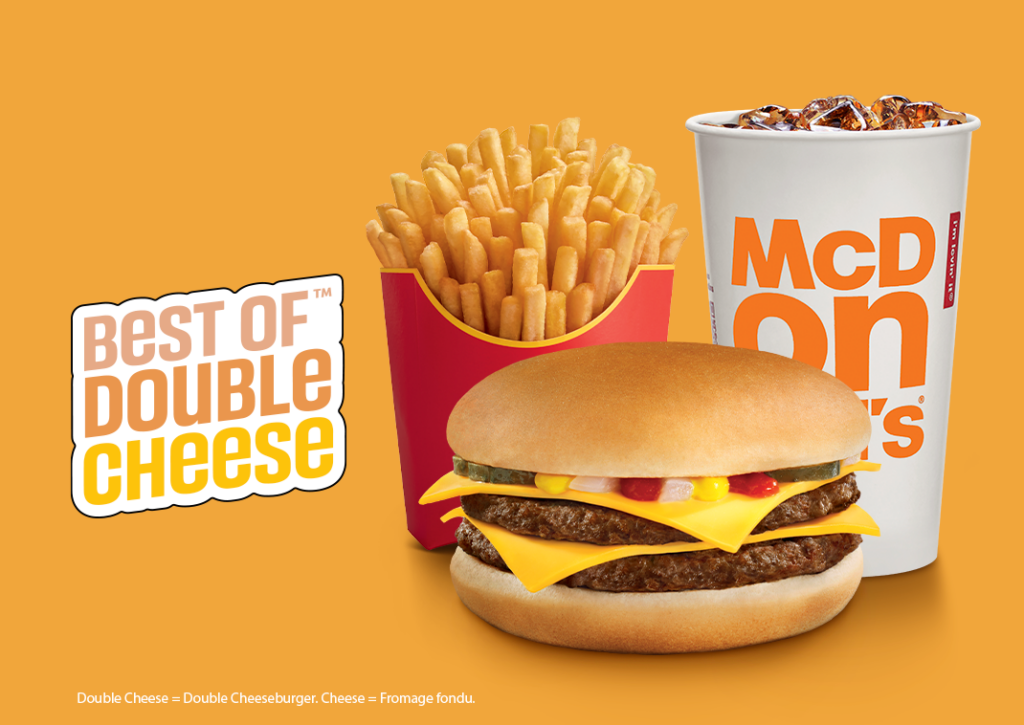
Since we’ve been comparing apples and oranges, let’s look at something truly identical. McDonald’s has long struggled to grow in Vietnam, largely because it has little advantage in terms of affordability. Local foods like bánh mì are specifically designed to be inexpensive, widely accessible, and even relatively healthy.
In France a double cheese best of menu is 9,25€ in Vietnam the exact same menu is 3,35€ at this precise moment.
5. Second hand Honda Vision (600 euros in Asia vs 1200 euros in Europe)
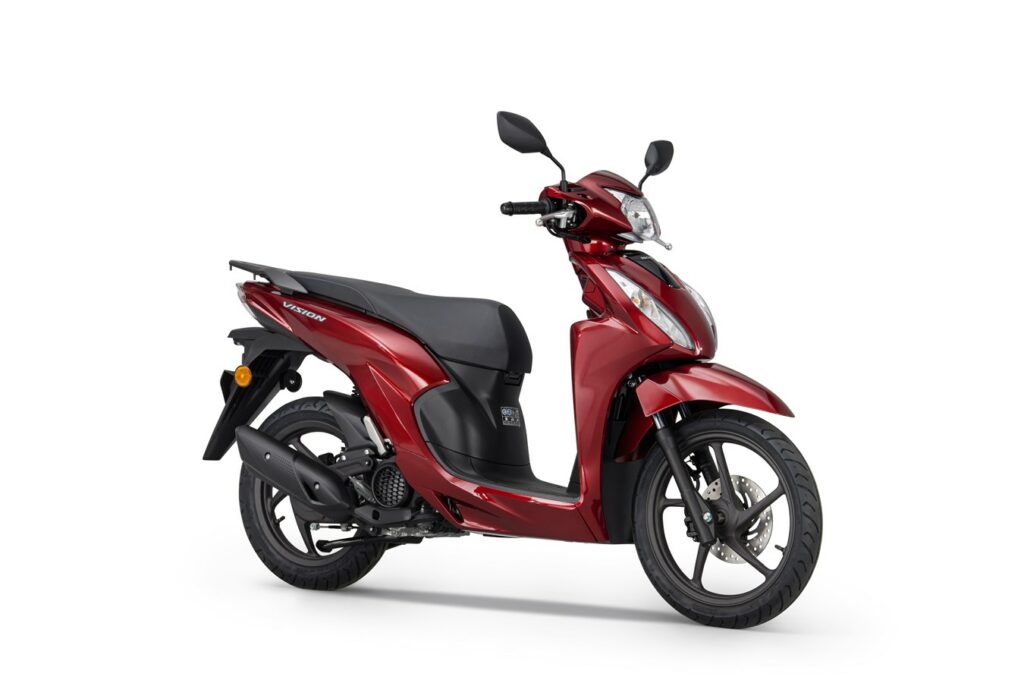
For a second-hand Honda Vision in Asia, you can expect to pay between €500 and €700. In France, the same second hand model typically sells for €1,000 to €1,400.
This price gap is largely due to the size of the scooter market in Asia, where demand and supply are high and sellers are generally less focused on maximizing resale prices.
6. Kids shoes (4.71 euros in Asia vs 15 euros in Europe)
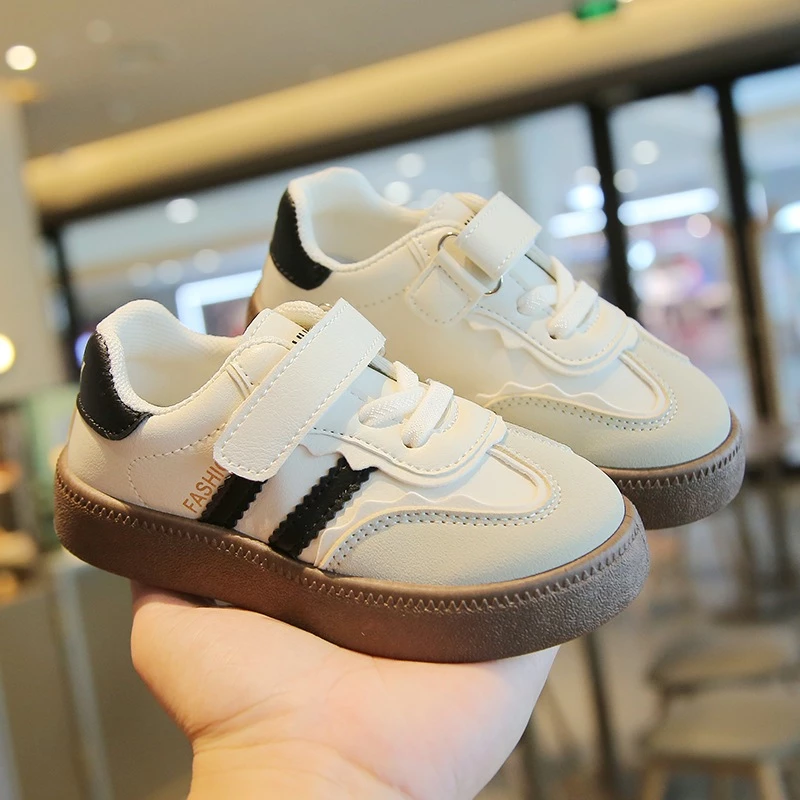
Again this is a very basic commodity we’re not talking about buying some branded sneakers or designers shoes this is the most basic shoes for kids which happen to grow out of their shoes every 6 months anyway.
A shoe in Vietnam (most of them are made in Vietnam) cost around 4.71 euros while it’s fair to say that in Europe it starts at 20 euros, if really you are looking hard you can find some at 15 euros.
7. Godox AD 600 Pro II (600 euros in Asia vs 900 euros in Europe)
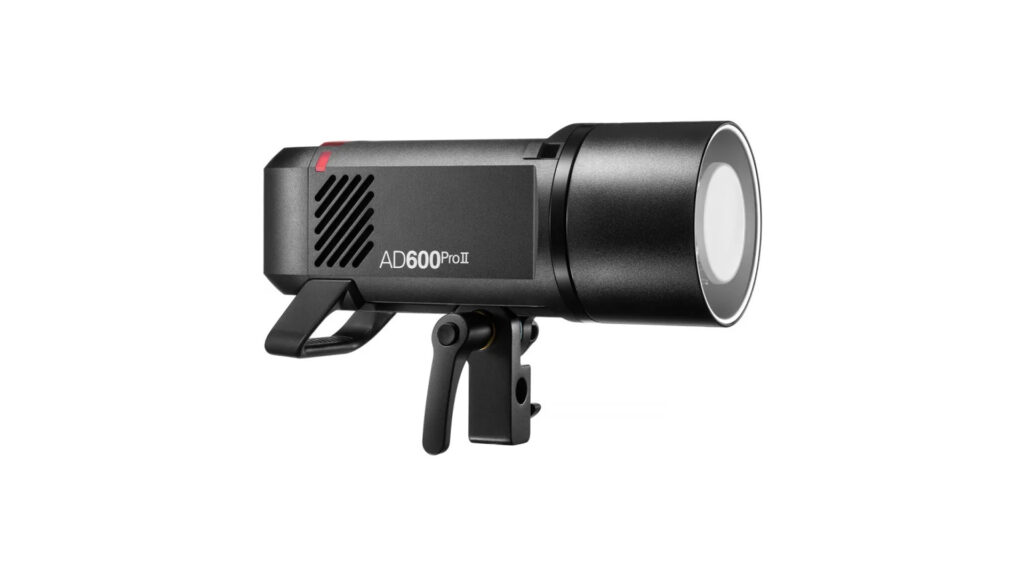
This is a professional photography strobe, a piece of equipment for professional photographers. In theory, prices for such products should be relatively consistent worldwide.
In Vietnam, it sells for around €600, while in France the same model costs about €900 — a price difference of roughly 33%.
8. Sony 24-70mm GM II (1400 euros in Asia vs 2300 euros in Europe)
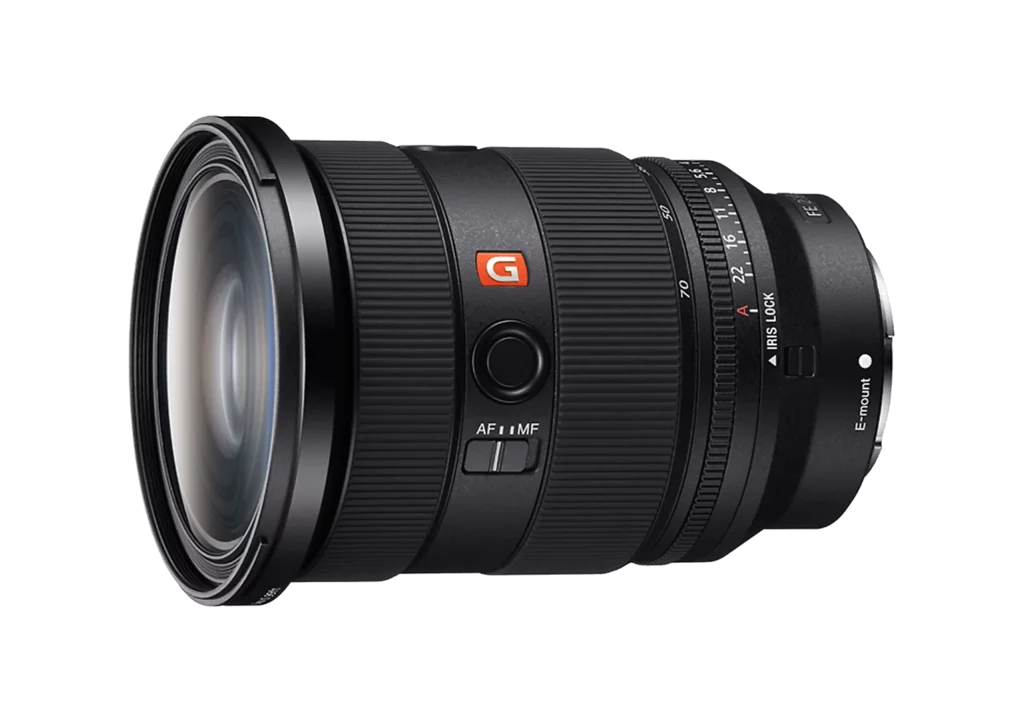
In Vietnam or Hong Kong, the Sony 24–70mm GM II costs roughly €1,400, which is already expensive by any standard.
By comparison, the same lens in France sells for around €2,300 — despite being the exact same product made by Sony.
9. A Ticket to the Cinema (3 euros in Asia vs 12 euros in Europe)

In France, a standard cinema ticket without any discount costs between €12 and €14 for a regular, non-3D screening.
In Vietnam, a ticket for the same film in a standard cinema is priced at around €3. The movie itself is identical, as studios distribute the same formats to cinemas based on screen size and type.
10. iPhone 16 Pro Max (1 046,39 euros in Asia vs 1 399,99 euros Europe)
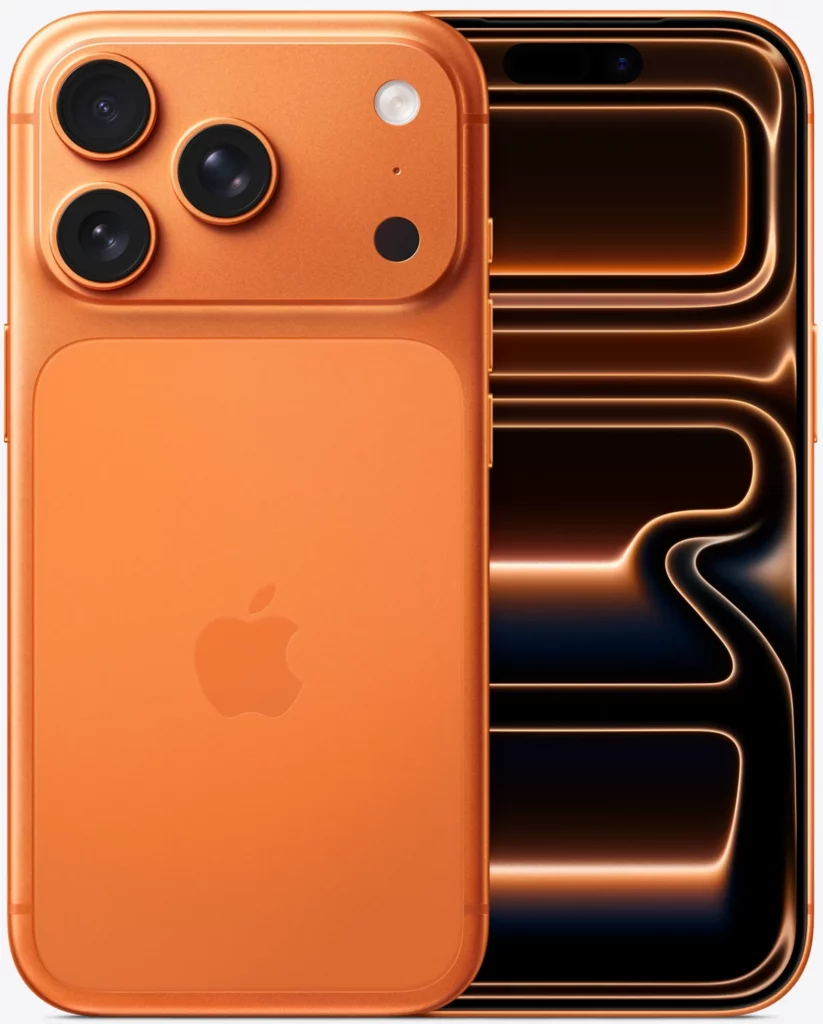
Finally, let’s close this list with one of the most universally recognized devices in the world: the latest iPhone.
An iPhone 16 Pro Max costs around €1,046 in Vietnam through official retailers, while the same model is priced at roughly €1,400 in Europe.
The real cost of a salary
In highly taxed countries, the salary your employer pays is often twice what you actually take home. Half goes to social charges and taxes, funding health care, pensions, and other protections. Understanding this gap is crucial when comparing living standards or evaluating what your income truly buys.
In highly taxed countries, the salary your employer pays is close to three times (The net salary after taxes represents approximately 36% of the total employer cost) what you actually take home. Two thirds goes to social charges and taxes, funding health care, pensions, and other protections. Understanding this gap is crucial when comparing living standards or evaluating what your income truly buys.
What’s less obvious is that these taxes also inflate the cost of nearly everything else. From groceries to services, higher social charges, VAT, and regulatory costs are embedded in prices, meaning citizens pay significantly more for the same goods than someone in a lower-tax country. The result is a double reduction of real purchasing power: first through what you don’t take home, and second through what you pay for everyday necessities.
Ultimately, the most accurate measure of income isn’t the nominal number on your contract — it’s how much of your life you must exchange for goods and services. The more heavily taxed a society, the less freedom, autonomy, and flexibility you have: your money buys less, your time is consumed faster, and choices that might seem obvious elsewhere become constrained. In this sense, real wealth is not just money earned, but life preserved.
What True Financial Freedom Requires
True financial freedom isn’t just about earning more — it’s about maximizing what your work actually gives you. It requires three key elements:
- Control over your income – minimizing unnecessary taxation, fees, or deductions so that more of what you earn is yours to spend, save, or invest.
- Purchasing power – ensuring that what you earn can buy what you need and value. If money leaks away at every purchase through high taxes, inflated prices, or hidden costs, even inherited wealth or savings exist only symbolically, not practically.
- Time autonomy – the ultimate currency is your time. Financial freedom means reducing the hours of life you must exchange to cover essentials, giving you space for choice, growth, the creation of greater social utility, meaningful experiences or even simply time and energy to be able to think.
Without these, high salaries and nominal wealth can feel hollow. Taxes, high living costs, and reduced purchasing power slowly erode both freedom and the real value of your work and inheritance.
More Important Than Money: The Right to Choose Your Path
Financial freedom is often presented as the pinnacle of independence. But in reality, having money without the ability to choose your own trajectory is still a cage. Paying more for the same goods in a high-cost country does not just reduce purchasing power — it shrinks the space to decide how to live your life.
When every expense is heavy, risk becomes a luxury. Career choices, learning paths, personal projects, or passions are guided by survival rather than desire. Even socially valued professions — craftsmanship, manual work, entrepreneurship, or the arts — become economically inaccessible if basic living costs are too high.
In this sense, true capital is not only financial; it is temporal and decisional. The ability to choose your path, to learn, experiment, and orient yourself according to your talents and aspirations is where real freedom lies. Money can expand this freedom, but it can never replace it.
Skills, assets, and property are only truly real to the extent that they preserve agency. The moment they are immobile, confiscable, or structurally drained, they become conditional — symbolic rather than effective.
Why stay in a system that absorbs 50 to 80% of the value you produce, when you can operate in one where the cost is capped at 20%? The gap between 20% and 80% is fourfold — 10 years of saving under the higher cost equals 40 years at the lower rate with the same income. That is the difference between endless servitude and true upward freedom.
Remember: society preserves its structure through hidden mechanisms, meaning that position and opportunity are the real stakes. With every new technology or revolution, the cards may appear to be reshuffled — only to be gradually recontained and controlled again.
Conclusion
Across countries, some of the products and services remain the same while the prices change quite strongly.
What explains this gap is often presented as obvious, necessary, or inevitable. This article does not attempt to settle that question.
It simply places facts next to each other and steps aside. What you infer from them — and what you decide to do with that understanding — belongs to you.


GIPHY App Key not set. Please check settings