
 dudeoi
In Maborosi, Hirokazu Kore-eda establishes a cinematic style defined by restraint and stillness. The film unfolds through long takes, minimal dialogue, and quiet compositions, allowing silence and space to carry meaning.
Rather than guiding the viewer, it invites observation, creating an experience shaped as much by what is left unsaid as by what is shown. In this article, we’ll explore what makes this film particularly remarkable, especially in today’s context.
The plot
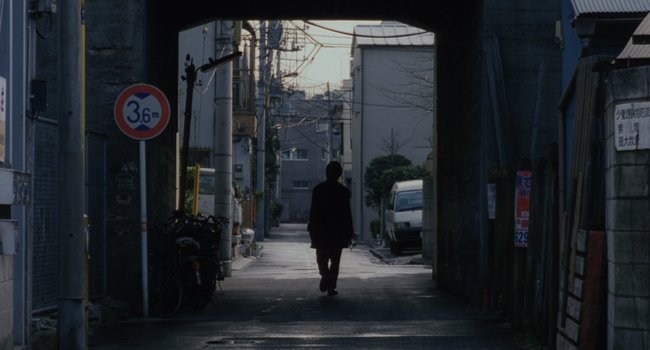
Maborosi follows a young woman named Yumiko as she navigates a profound turning point in her life: the sudden and incomprehensible loss of her husband, who leaves behind their three-month-old son.

As she moves to a new environment and begins to rebuild a sense of routine, she quietly carries the weight of her past while adjusting to unfamiliar surroundings and relationships.
The film unfolds through small, everyday moments, gradually revealing her inner world without relying on dramatic events.

OUR SPONSOR OF THE DAY : NEONNIGHT.FR
The themes
1. Grief and Loss
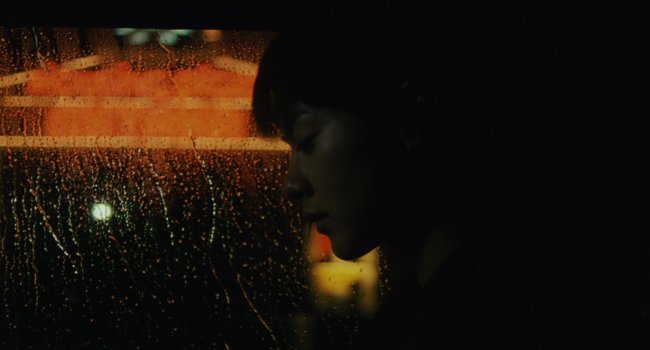
The film centers on Yumiko as she confronts the sudden and unexplainable loss of her first husband. It explores how people grapple with tragedies that resist understanding, and the emptiness such events leave behind.
When a loss cannot be fully explained or justified, our minds often circle endlessly around the unanswered questions, searching for meaning.
Maborosi suggests that while clarity may never come, life continues and learning to move forward, even quietly, is the way to prevent further emotional stagnation and trauma.
2. Isolation and Loneliness
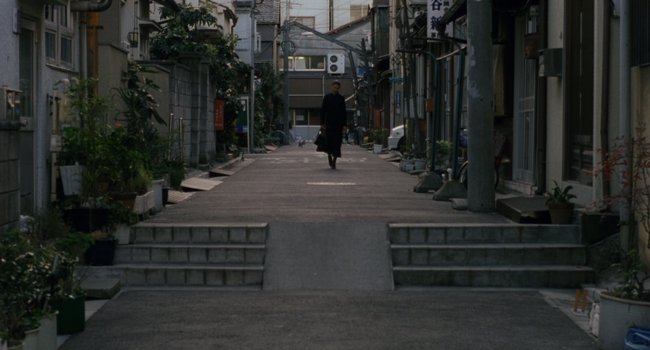
Yumiko after her grief, experience both physical and emotional isolation, with the landscapes and understated cinematography amplifying this sense of separation from the world.
The film suggests that solitude can be part of the healing process, rather than distracting themselves with constant activity, individuals must confront the silence and acknowledge the presence of their emotions.
3. Memory and the Past
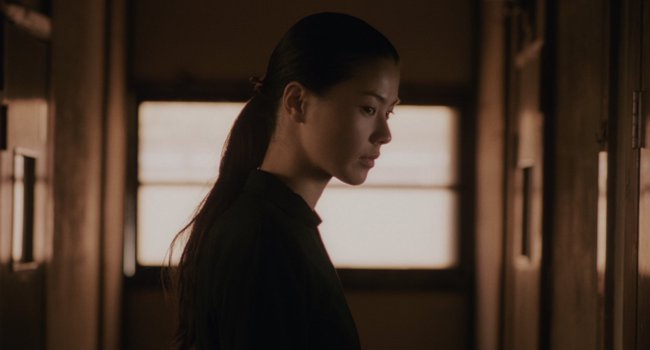
The tension between holding onto the past and embracing the present recurs throughout the film. Yumiko’s memories of her husband linger, shaping her new life and making it difficult for her to form genuine connections.
This suggests that while identity may be theoretically fluid, in practice our minds seek to construct a coherent narrative to make sense and give continuity with our experience.
4. A Space to Heal
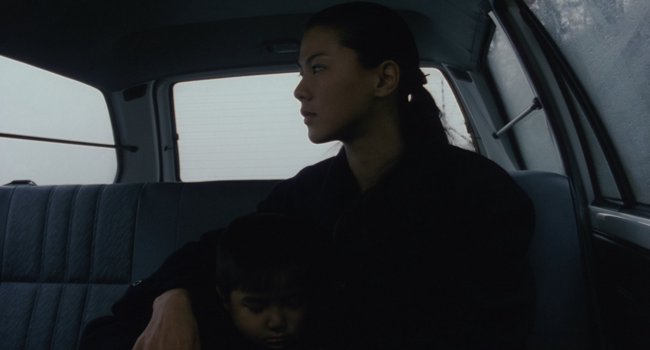
In Maborosi, the environment is more than just a backdrop it acts as a stabilizing and protective force.
Yumiko is enveloped by tranquil landscapes, a supportive community, the steady presence of elders, and the rhythms of daily life and longstanding traditions.
This grounding allows her grief to unfold slowly and gently, rather than being intensified by external conflicts, giving her a sense of being rooted in something larger than herself or her tragedy.
5. Acceptance and Moving On
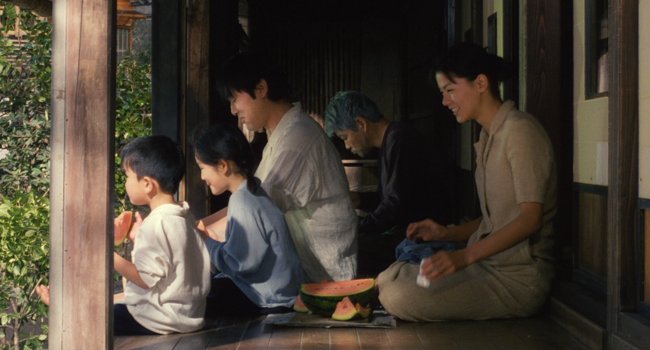
Despite the lingering grief, the story gently suggests the necessity of continuing life, forming new relationships, and finding subtle ways to heal.
Life ceases to be about control; instead, each new opportunity like meeting a new arranged husband or forming a family becomes a path of discovery, embraced with curiosity, presence, and acceptance.
6. The Fragility of Life
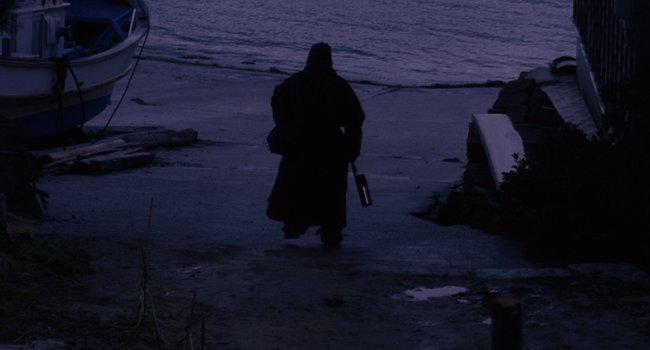
Life’s unpredictability and fleeting nature are mirrored in both the story and the film’s minimalist, meditative visual style.
From the sudden loss of Yumiko’s first husband, to anxieties about her new husband driving under risky conditions, or her mother-in-law caught in a storm, her son playing on his bike, the narrative gently underscores life’s fragility.
Through these quiet yet profound moments, Yumiko learns to confront and accept the impermanence of existence.
7. Search for Meaning
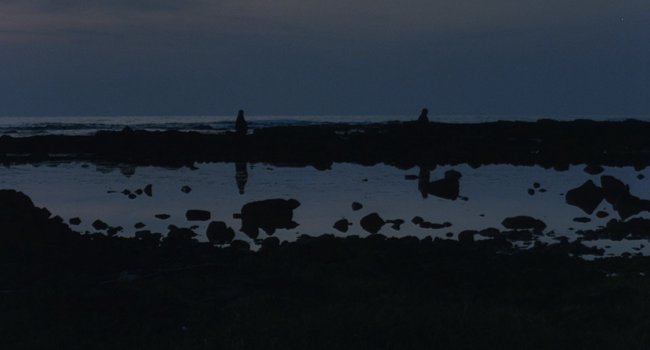
The film questions why tragedies happen and how humans try to find explanations for things beyond their control.
This search for understanding is reflected in rituals like funerals, which symbolically help people acknowledge loss and close chapters in their lives.
The cinematography
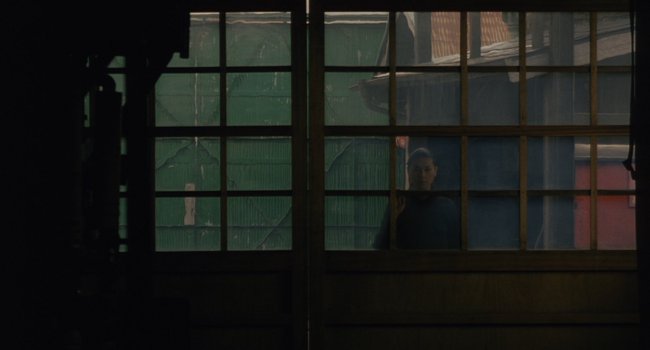
The cinematography, by Masao Nakabori, was shot on film and released in 1995. Maborosi exemplifies the distinction between auteur cinema tackling quiet, deeply human, often unpopular subjects and mainstream spectacle.
Nakabori’s cinematography is deliberately restrained, slightly soft and muted using older lenses, never drawing attention to itself; it exists entirely to serve the story and its characters.
The film relies on meticulous, static tripod shots that avoid flashy or extremely complex compositions, allowing the characters to move naturally within carefully framed spaces and creating a meditative rhythm that reflects the simplicity of their outer lives and the depth of their inner lives.
OUR SPONSOR OF THE DAY : NEONNIGHT.FR
Conclusion
Maborosi is a quietly devastating meditation on grief, memory, and the impermanence of life. Through restrained cinematography, a contemplative pace, and the careful integration of environment and community, Hirokazu Kore-eda crafts a world where loss is felt deeply but gradually transformed.
The film doesn’t rush toward resolution or spectacle; instead, it allows the audience to inhabit Yumiko’s inner world, to witness her tentative steps toward acceptance, and to reflect on the fragile, fleeting nature of existence.
In its stillness and subtlety, Maborosi reminds us that healing is not linear, and that life like the tides, storms, and quiet landscapes around us moves forward, impermanent yet profoundly beautiful.


GIPHY App Key not set. Please check settings