
 dudeoi
Blue Is the Warmest Color tells more than a story of teenage love and heartbreak. The film explores self-discovery, relational dynamics, personal value, and the relativity of hierarchies.
Through Adèle and Emma, it reveals the tensions between desire, identity, and social context, while showing how our inner forces shape relationships and our sense of self.

OUR SPONSOR OF THE DAY : NEONNIGHT.FR

1. Inner Psychological Forces: Adèle and Emma Within Us

Adèle and Emma symbolize two universal psychological currents.
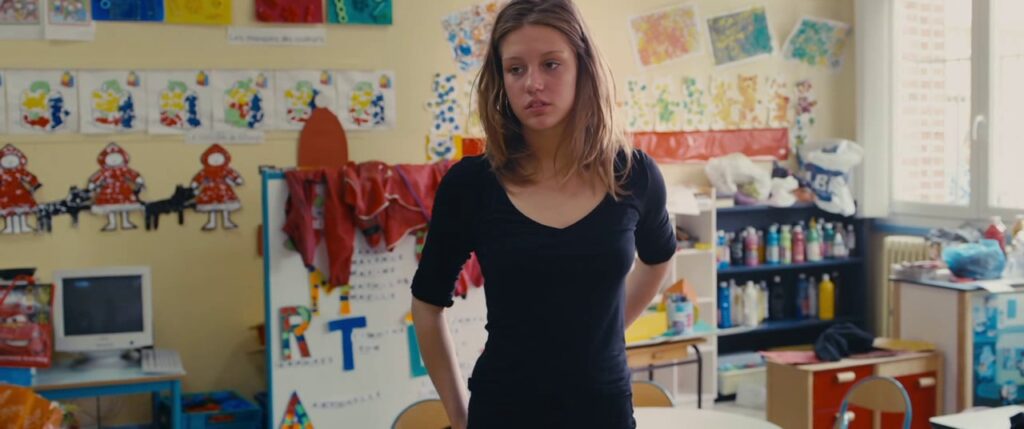
- Adèle embodies emotional presence and vulnerability: she feels deeply, loves intensely, and experiences life through direct, lived experience. This force seeks connection, fusion, and authenticity.
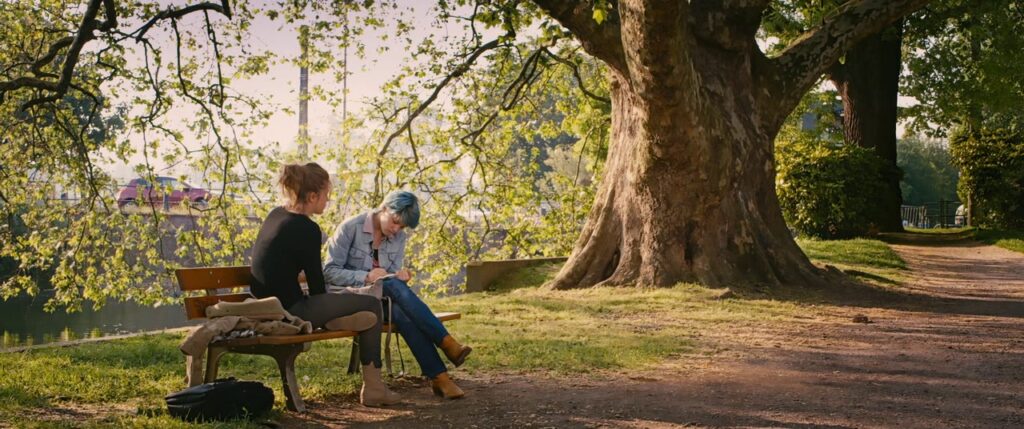
- Emma represents identity, independence, and aspiration: she defines herself, projects creativity, and moves through the world with autonomy. This force values growth and personal coherence.
The film shows that these two forces, represented here as two characters, can often coexist within the same person. Maturity lies in letting them dialogue rather than oppose each other.
2. Relationship Dynamics: Passion and Compatibility

Their relationship begins with intensity and discovery. Passion transforms Adèle as she explores her sexuality and identity.
Over time, differences in ambitions, emotional rhythms, and relational needs emerge:
- Adèle seeks closeness and emotional commitment.
- Emma values freedom, independence, and personal achievement.
This divergence is not a moral failing or betrayal; it demonstrates that compatibility depends as much on aligned emotional needs as on the intensity of feeling.
3. Value and Hierarchy: Intrinsic vs. External

The film explores how personal and social value shifts depending on context:
- Adèle has strong intrinsic value through her emotional depth, humility and authenticity. In intimate or relational spaces, her presence naturally carries weight.
- Emma combines intrinsic value with social recognition: her artistic and intellectual identity is visible and respected in cultural and professional circles.

Hierarchy is relative: in artistic or social arenas, Emma is more recognized; in emotional connection, Adèle is more capable to create an intimate and direct strong bond. The film shows that what is valued depends entirely on the environment, whether emotional, social, or cultural. True security comes from understanding one’s own strengths.
4. Authenticity and Personal Growth
Authenticity is central:
- Adèle experiences her emotions and sexuality directly, staying true to herself.
- Emma thrives in circles that prize identity and recognition while maintaining strong internal coherence.

Their separation is not a failure of one or the other but the result of divergent life paths. The film illustrates that love can be profound and real, yet temporary, and that personal growth sometimes requires letting go of what no longer aligns with our inner rhythm.
Real-Life Hierarchies: Short Examples
- Nightclub: VIP tables, dress codes, distance → status = wealth & image
- Bar: Respect = connexion → personality, social ease, presence
- Corporate office: Power = title & decision authority
- Startup / Creative team: Influence = ideas & creativity
- Neighborhood gathering: Influence = friendliness & contribution
- LinkedIn: Recognition = credentials & endorsements
- Instagram/TikTok: Influence = followers & engagement
Key insight: Hierarchy is relative. Intrinsic value dominates intimate/egalitarian spaces; external/symbolic value dominates formal/high-status arenas.
Why judgment is ultimately a waste of time

In Blue Is the Warmest Color, Adèle and Emma show that people act according to their needs, desires, and life paths. While we all have personal preferences — who we love or how we live — beneath that, we share the same universal drives: connection, autonomy, growth, and recognition. Many people are still in the process of understanding themselves, learning, and gaining wisdom.
Judging others misses this truth. What matters is alignment — how well someone’s actions and choices fit their inner drives. Everyone navigates the same currents in different ways, and empathy comes from recognizing that their path is as valid as ours, even if their preferences differ.
Not judging does not mean having no values. We all prioritize certain qualities or behaviors in life. Respecting others’ paths doesn’t require abandoning our own standards; it means letting our values guide us without diminishing theirs.
To express our inner truth

It is essential to live and express your inner truth. Acting according to your needs, convictions, and desires allows you to stay authentic and truly know yourself.
This naturally attracts people who are similar to you and share your values, fostering sincere and deep relationships.
Living your truth also marks the beginning of your own life journey, where you make decisions aligned with yourself and shape a unique path faithful to your personality and aspirations.
OUR SPONSOR OF THE DAY : NEONNIGHT.FR
Conclusion

Blue Is the Warmest Color goes beyond a classic story of love and breakup. It shows:
- The two universal psychological forces we all carry the desire for emotional fusion and the drive for autonomy.
- The relativity of hierarchy and value depending on context.
- The importance of authenticity and personal growth, even when paths diverge.
The film reminds us that emotional depth and personal identity do not guarantee a lasting relationship, but they allow each of us to know ourselves fully and grow in the process.


GIPHY App Key not set. Please check settings