
 dudeoi
James Gray’s Ad Astra is often mistaken for a cerebral space drama. It is not primarily about space exploration, extraterrestrial life, or even the future of humanity.
At its psychological core, Ad Astra is a mythic story. The story of a son descending into darkness to confront, and symbolically “save,” his father from the belly of the whale (reference to Carlo Collodi’s Pinochio).
But what does that mean?

To understand Ad Astra, we must read it not as science fiction, but as myth.

OUR SPONSOR OF THE DAY : NEONNIGHT.FR
Quick plot
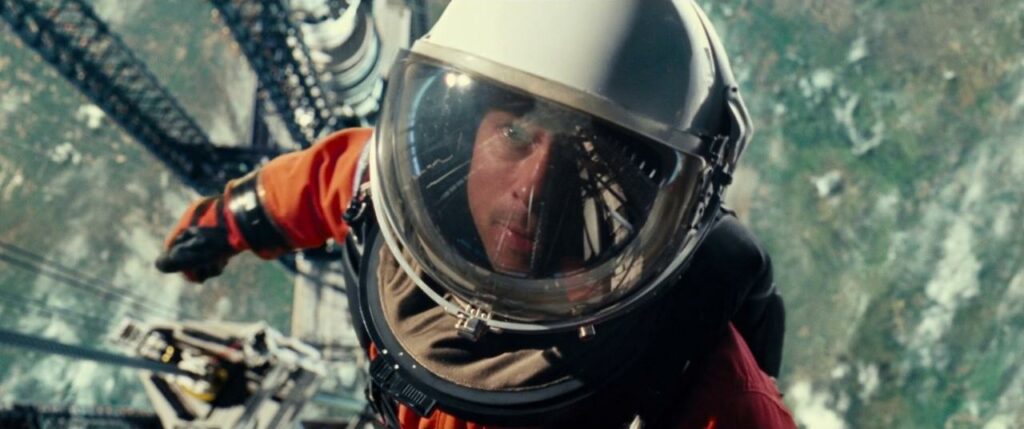
Astronaut Roy McBride travels to the outer solar system to find his missing father, Clifford, who has become obsessed with a deep-space mission and lost touch with humanity.
Confronting isolation, obsession, and his own inner fears, Roy must choose connection and return to Earth, learning that some rescues are internal, not external.
The themes
The Belly of the Whale

In mythological structure, particularly as outlined by Joseph Campbell, the “belly of the whale” represents a descent into the unknown. It is a symbolic death. A confrontation with darkness. A journey into the unconscious.
In Ad Astra, the whale is space itself.
Deep space is:
- Silent
- Infinite
- Isolated
- Devoid of human warmth
It is not just a physical environment — it is a psychological landscape. Clifford McBride, the father, has been swallowed by it.
The Father Lost in the Void
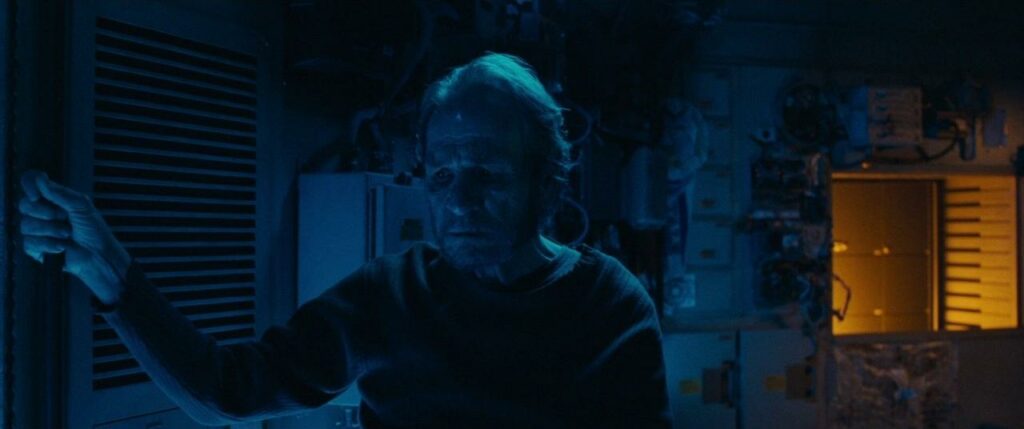
Clifford is not merely missing. He is consumed.
He represents:
- Obsession without attachment
- Ambition without return
- The masculine ideal taken to its extreme
- The sacrifice of intimacy for greatness
He left Earth in pursuit of answers, life beyond our solar system, but in doing so, he severed himself from humanity.
- He chose mission over relationship.
- Discovery over connection.
- The infinite over the intimate.
- He is trapped in the whale of his own ideology.
The Son Already Becoming the Father
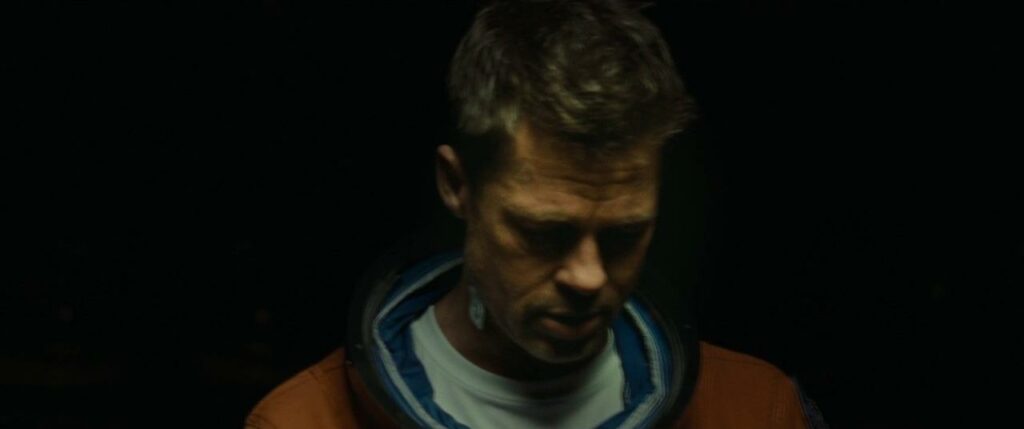
Roy McBride, played with clinical restraint, begins the film emotionally muted. He is calm, controlled, disciplined almost mechanical.
- He excels at his job.
- His heart rate never rises.
- His emotions remain contained.
- But this is not strength. It is inherited detachment.
Roy is already drifting into the same void that swallowed his father. The journey to Neptune is not simply a rescue mission. It is a confrontation with his own future.
What Is the Darkness?

The darkness in Ad Astra is not outer space.
It is:
- Emotional repression
- The myth of solitary greatness
- The belief that achievement compensates for absence
- The illusion that meaning exists somewhere “out there”
Clifford believed salvation would come through discovery. Roy slowly realizes salvation comes through connection. The darkness is the idea that love is secondary to purpose.
Can the Father Be Saved?
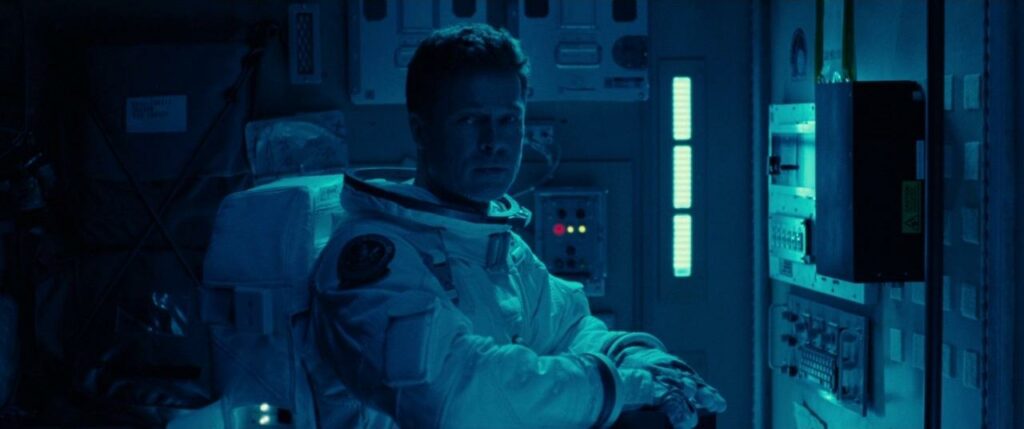
When Roy finally reaches his father, something crucial happens. There is no triumphant reunion. No emotional reconciliation. No grand revelation.
Clifford does not want to return. He remains loyal to the void. This is the hardest mythic truth:
Sometimes we cannot save the father. Sometimes the rescue is internal. Roy understands that his father cannot be redeemed through force. The obsession is too complete. The void too deep.
So what does Roy do? He lets him go.
The Real Rescue
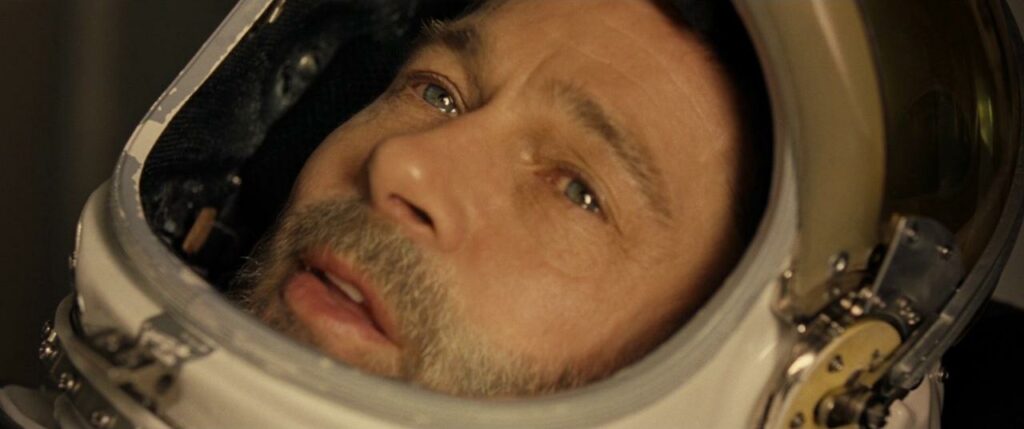
In mythic terms, “saving our fathers from the belly of the whale” does not always mean pulling him out alive.
It means:
- Facing what swallowed him
- Understanding the wound
- Refusing to inherit the same fate
Roy’s transformation happens not when he reaches Neptune — but when he chooses to return to Earth.
He chooses relationship over isolation.
Vulnerability over emotional armor. Presence over abstraction. He breaks the generational pattern. That is the rescue.
A Universal Story
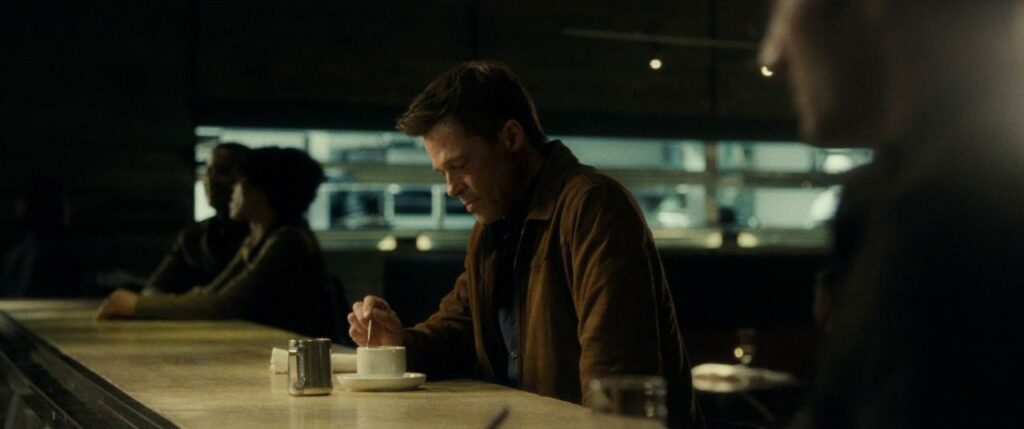
This is why Ad Astra resonates beyond science fiction.
Most fathers are not lost in space. But many are lost in something:
- Work
- Trauma
- Silence
- Ideology
- Unspoken grief
Many sons and daughters grow up trying to decode that absence. The film universalizes a deeply personal question:
- How do we love someone who chose distance?
- How do we not become what hurt us?
- How we inherit strength without inheriting emotional exile?
The Final Image
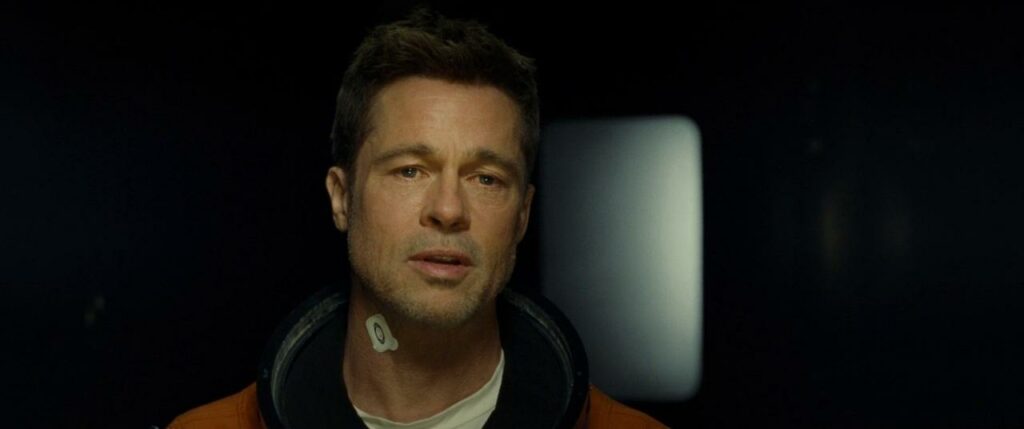
Roy returns to Earth.
- Not victorious.
- Not triumphant.
- But awake.
He has looked into the void and found no cosmic answer. The meaning was never out there.
It was here. On Earth.
- In relationship.
- In vulnerability.
- In choosing connection.
The lessons
The tension between individual transcendence and societal constraints
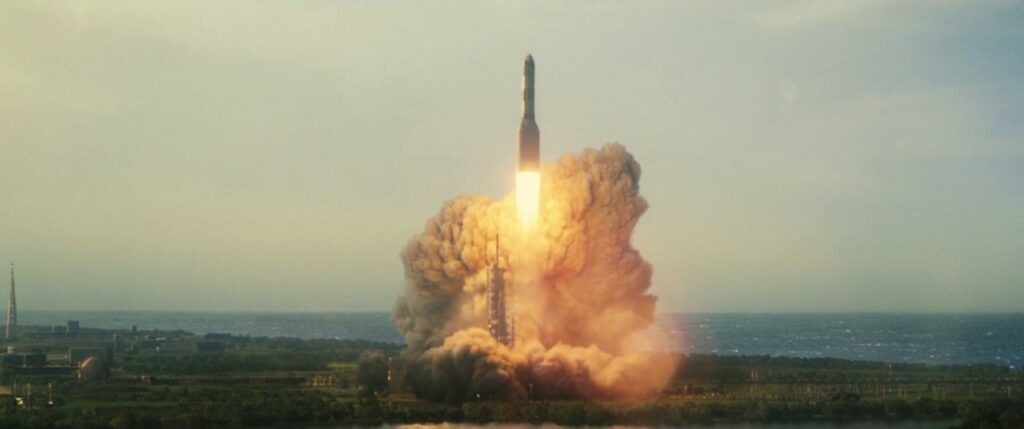
What is herd morality?
Herd morality is:
- The set of social rules, expectations, and “acceptable behaviors” that keep society cohesive
- The pressure to conform: what “everyone” believes, does, or values
- Often survival-oriented: avoid risk, stay in line, don’t challenge the status quo
It’s not inherently evil, it’s protective.
But it can feel restrictive, especially to someone seeking depth or transcendence.
What transcendence asks of us
True transcendence (integrated, like we discussed with deep space) asks us to:
- See beyond ordinary life
- Follow our own internal compass
- Risk alienation or disapproval
- Choose presence, meaning, love over simple conformity
It often conflicts with herd morality.
The paradox
We cannot fully inhabit transcendence without stepping outside the herd.
But if we completely abandon the herd, we risk:
- Isolation
- Misunderstanding
- Losing support structures
So the challenge is reconciliation: how to live fully while remaining human, connected, and responsible.
A practical reconciliation
We can think of it as a spectrum:
- Herd awareness: Understand the rules, expectations, pressures.
- Herd navigation: Move within them when necessary : for survival, relationships, or influence.
- Transcendent choice: Decide consciously when to break, bend, or ignore the herd. When our internal compass demands it.
- Integration: Bring back lessons to enrich others, not just escape.
We don’t have to be fully in or fully out. The goal is awareness: act from understanding rather than blind conformity or blind rebellion.
Mythic analogy
In Ad Astra:
- The father follows his own “herd” : the mission, the legacy of exploration, the culture of achievement.
- The son transcends, but he must reconcile: return to human connection, not abandon it entirely.
Herd morality isn’t destroyed. It’s contextualized. We learn what serves life, what limits it, and what we must leave behind.
In short: Transcendence without awareness of the herd is isolation. Herd morality without transcendence is stagnation. The art is walking between both — awake, conscious, alive.
What is home exactly ?
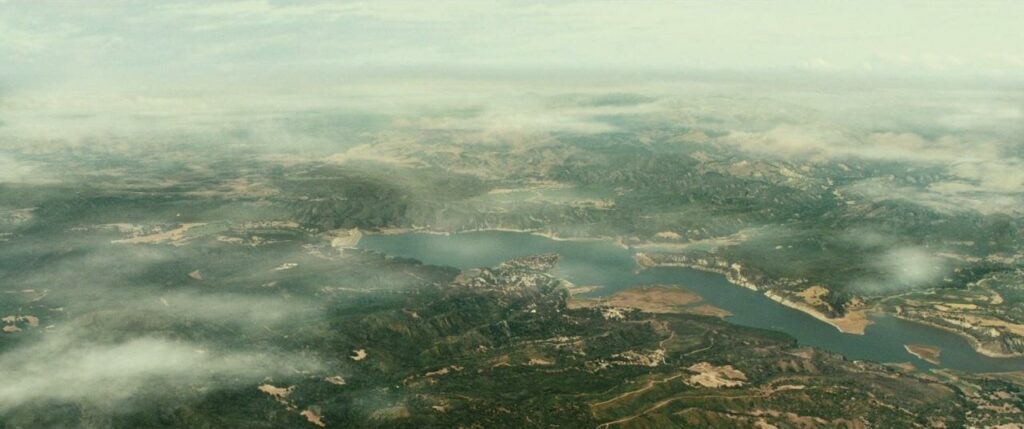
There are two different kinds of isolation:
Geographical isolation
Being far from what we know. Different language. Different codes. Fewer deep anchors.
Existential isolation
Feeling unseen. Misaligned. Not at home in the dominant culture around us. We can be surrounded by family in our birth country and still feel exiled.
We can be abroad and feel more aligned. Home is not where we were born. Home is where our nervous system relaxes.
The two ways to live

Surface mode
Routine, distraction, survival, chasing, comparison.
Life feels flat. Mechanical. Repetitive.
Depth mode
Presence. Awareness. Meaning. Creation. Love. Risk. The same external life, but experienced consciously.
The “bigger” life is not necessarily:
- More money
- More fame
- Another country
- A different planet
It’s the intensity with which we inhabit our own existence.
The two kinds of “depth”
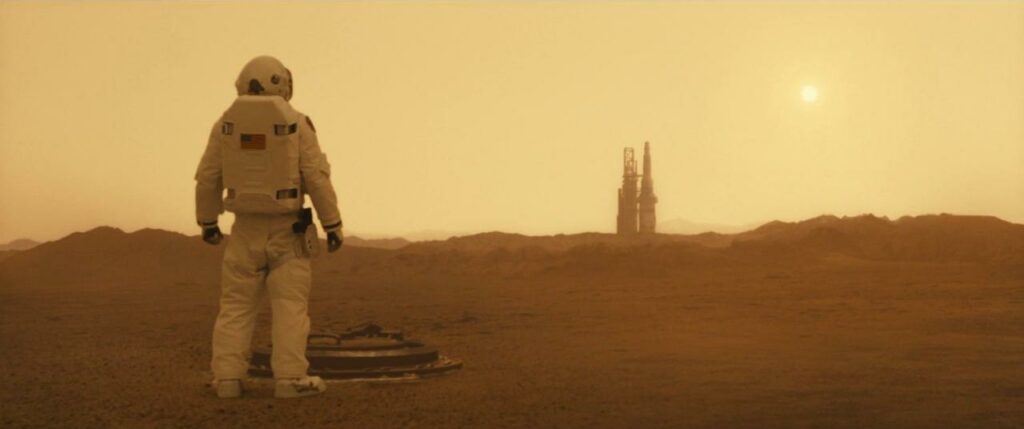
Expansive depth
- We go far, but we remain connected.
- Our adventure enlarges our humanity.
- Love grows with it.
Isolating depth
- We go far, but we narrow.
- Our mission replaces relationship.
- We justify distance in the name of meaning.
From the inside, both can feel intense. Both can feel profound.
The difference is not intensity. The difference is integration.
OUR SPONSOR OF THE DAY : NEONNIGHT.FR
Conclusion
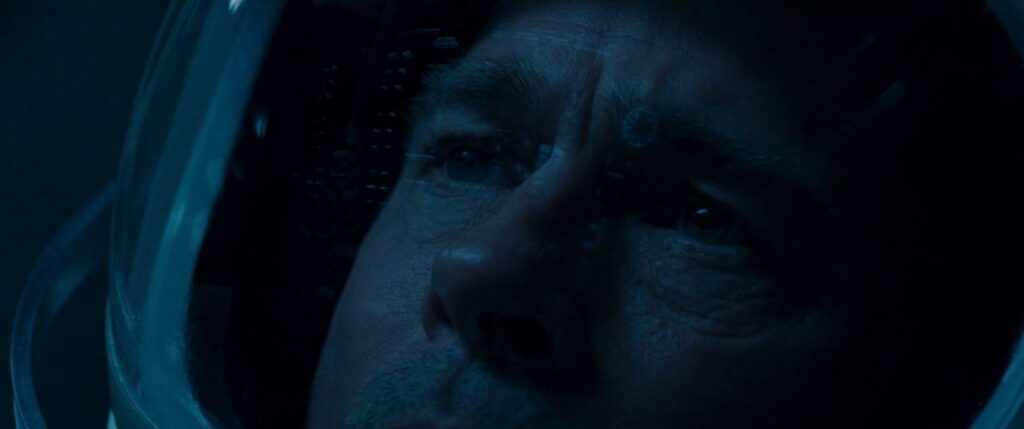
Ad Astra is a myth disguised as a space film.
It tells the ancient story of descending into darkness to confront the father and discovering that the real act of salvation is not changing him, but transforming ourself.
- The belly of the whale is isolation.
- The darkness is obsession without love.
- The rescue is choosing to come home.
And sometimes, coming home (connexion and presence) is the bravest act of all.


GIPHY App Key not set. Please check settings