
 dudeoi
The film A Prophet, directed by Jacques Audiard and winner of the Palme d’Or, is often described as a great prison movie—realistic and brutal. Yet this interpretation, while accurate, remains superficial.
Looking deeper, the film reveals a much more profound dimension: the social rise of an outsider within a closed system, told through the journey of an individual who is excluded from autonomy and power from the very beginning.

OUR SPONSOR OF THE DAY : NEONNIGHT.FR

An Entry into the World Without Capital

Malik El Djebena enters prison with nothing. He is young, illiterate, without family, without a network, without protection. He possesses none of the elements that usually allow an individual to position themselves within a social hierarchy.
This point is crucial: Malik is not just weak, he is outside the system. He understands neither the explicit rules nor the implicit codes. He endures.
Prison, therefore, acts as a metaphor for an already structured world, where positions are occupied and power dynamics are established. The Corsicans dominate, and other groups organize themselves around this domination. Malik enters a universe where everything already exists without him.
Capital explained by Pierre Bourdieu
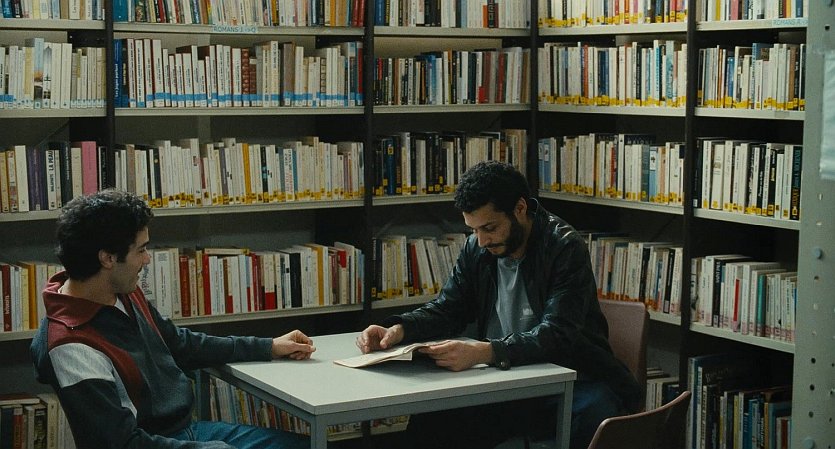
Here is a clear summary of the main concepts from Pierre Bourdieu’s Le Capital:
Multiple forms of capital: Bourdieu extends the notion of capital beyond money. He distinguishes several types:
- Economic capital: money, material goods, financial resources.
- Cultural capital: knowledge, diplomas, skills, mastery of social and cultural codes.
- Social capital: networks of relationships, connections, and social support.
- Symbolic capital: recognition, prestige, reputation, social legitimacy.
Habitus: a system of durable dispositions that guides our perceptions, thoughts, and actions, shaped by education, family, and social environment. Habitus influences how we use our different forms of capital.
Field: a specific social space where struggles for power and capital occur. Each field (education, art, politics, economy) has its own rules and values certain forms of capital.
Social reproduction: society tends to reproduce inequalities because individuals use their capital to maintain or improve their position within a social field. Elite schools, for example, value the cultural capital transmitted by certain families.
Strategy and capital conversion: individuals can transform one form of capital into another (for example, converting cultural capital into economic or symbolic capital).
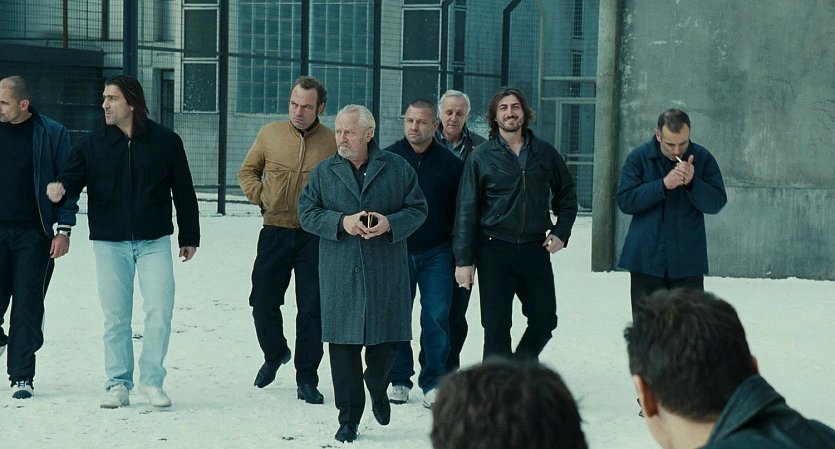
In summary, Bourdieu shows that social success depends less on “individual talent” than on access to and use of different forms of capital within a given field. Inequalities are not only economic; they are structural and cultural.
Learning the invisible rules
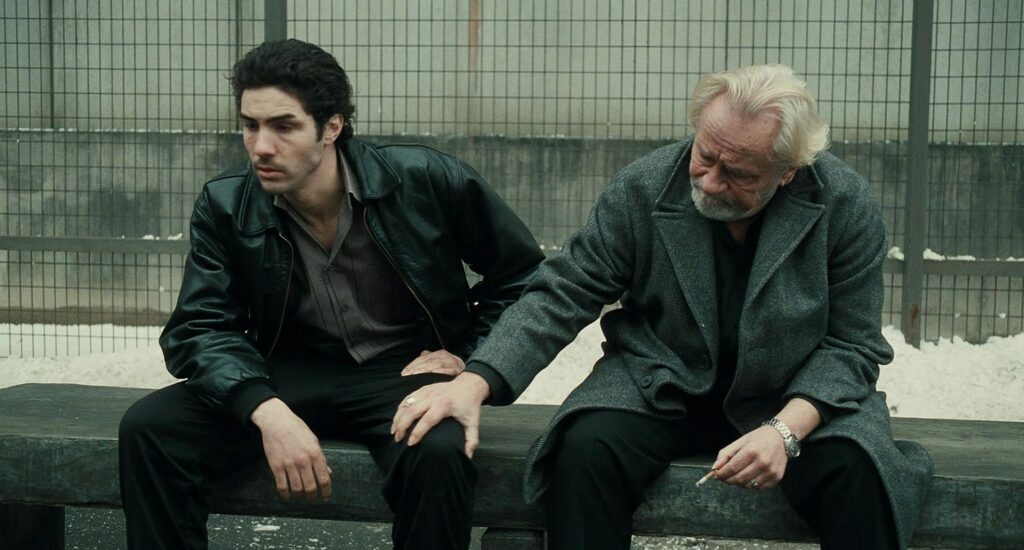
Malik’s transformation does not rely on physical strength or any stroke of luck. It rests on a far subtler process: learning the invisible rules.
Gradually, he observes, listens, and understands:
- who truly holds power
- how information flows
- what loyalties and betrayals are possible
What he gains is not a technical skill, but a form of social intelligence. He learns to read the system from the inside.
This is where the film becomes profoundly realistic: in many environments — social, professional, or political — success depends less on the official rules than on understanding the hidden dynamics.
From Assimilation to Autonomy
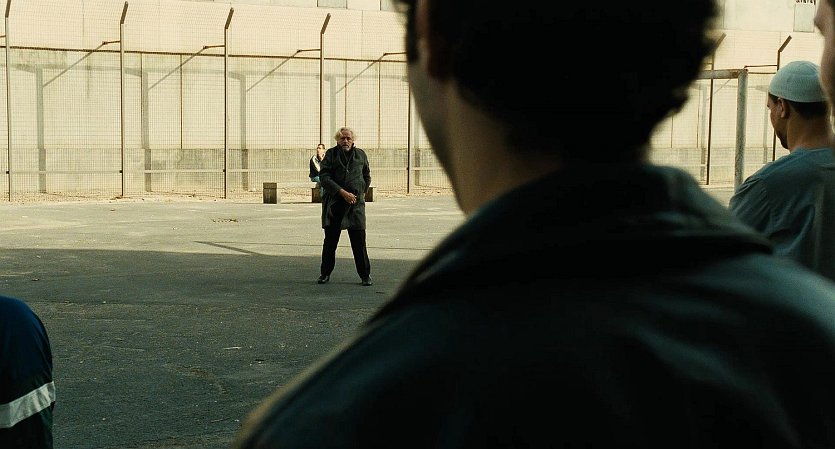
At first, Malik integrates into the dominant system. He serves the Corsicans, adopts their codes, and makes himself useful. This phase of assimilation is strategic: it allows him to survive.
But this integration is not an end in itself. It is a step.
Once he has internalized the rules, Malik begins to build his own position. He develops his own relationships, his own networks, his own alliances. He no longer depends entirely on the dominant group.
The film thus depicts a two-step process:
- Adapt to survive
- Emancipate to exist
Identity as a Tool

Another major theme of the film is the fluidity of identity. Malik moves between several worlds: that of the Corsicans, that of the Maghrebi inmates, and ultimately his own.
He does not fully belong to any group. This intermediary position, initially a weakness, gradually becomes a strength. It allows him to navigate, understand multiple logics, and build bridges.
The film conveys a powerful idea here:
👉 Identity is not fixed; it can become a strategic tool.
A rise outside the conventional paths

The most unsettling aspect of the film lies in the nature of Malik’s success. He “rises,” gaining power, influence, and autonomy. But this ascent occurs outside official structures.
This raises an implicit question:
What happens when an individual has no access to the conventional routes of social mobility?
The film does not offer a moral answer. It simply illustrates a mechanism:
When certain doors are closed, other paths emerge—sometimes on the margins, sometimes illegal.
The solitude of power
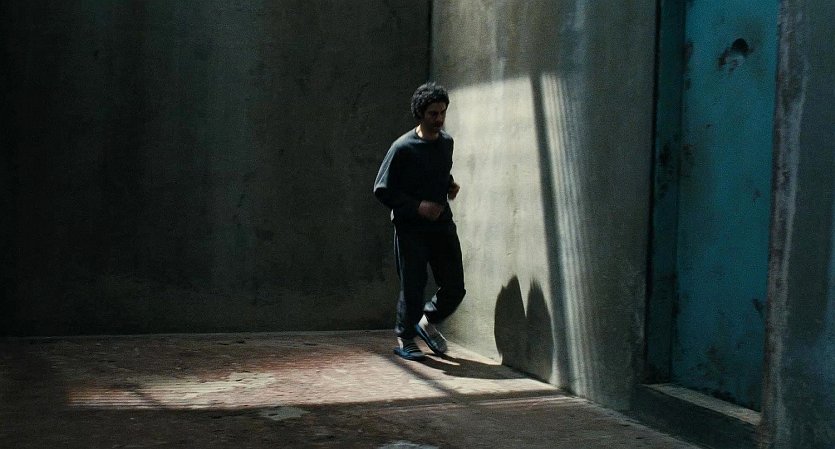
As Malik rises, he becomes detached. He understands more than others, sees further, and acts with greater precision. But this ascent comes with isolation.
He is no longer the naive young man from the beginning, yet he is not fully integrated into any group. He becomes a figure apart.
This solitude is the price of his transformation.
Why the title A Prophet?

The title A Prophet can be read both literally and symbolically. Literally, Malik appears as someone capable of anticipating the future with remarkable acuity, understanding the systems and motivations of those around him almost like a seer.
Symbolically, he embodies a prophetic figure through his ability to shape his destiny thoughtfully. Using this foresight, he carves out a place for himself in a ruthless hierarchical environment, subtly guides those around him, and adapts to survive and rise.
Malik’s Qualities
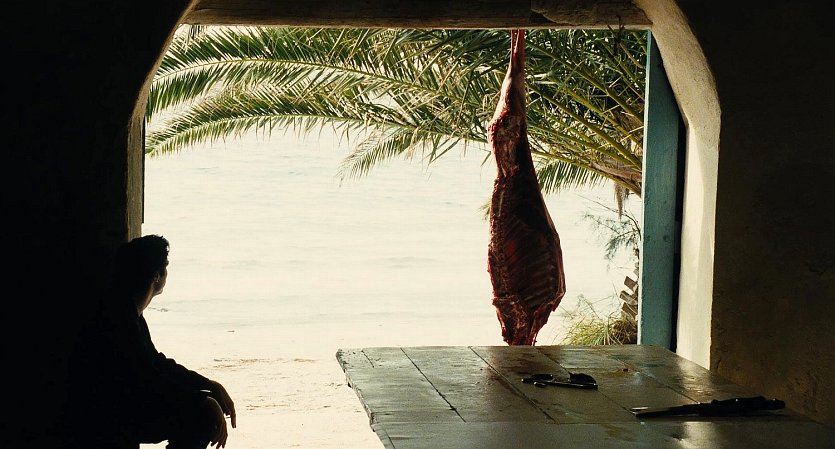
- Observation and Anticipation : Malik quickly understands his environment and the dynamics around him.
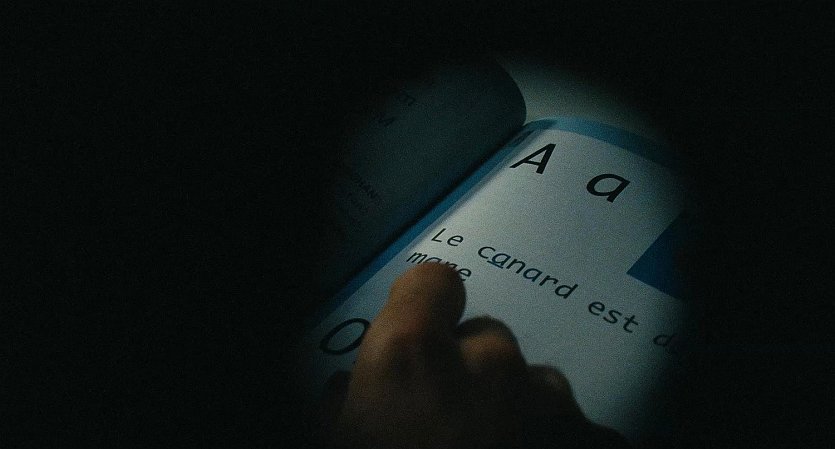
- Learning and Autonomy : Being able to read and write allows him to think independently and make informed decisions.
- Adaptability and Resilience : He adjusts to difficult situations and overcomes the pressures of prison life.
- Communication and Influence : He knows when to speak and when to listen to earn respect.
- Strategic Vision : Malik builds a lasting position by thinking long-term rather than acting impulsively.
A Contemporary Reading
Through Malik, the film does not merely tell an individual story. It highlights broader mechanisms:
- initial exclusion
- the necessity of learning implicit codes
- the importance of networks
- the possibility of rising outside traditional pathways
The prison acts as a magnifier. It concentrates and amplifies dynamics that exist elsewhere in a more diffuse way.
OUR SPONSOR OF THE DAY : NEONNIGHT.FR
Conclusion

A Prophet is the story of an individual who enters a world where he has no place… and who gradually learns to carve out a position for himself.
It is not a heroic tale in the classical sense. It is a trajectory of adaptation, understanding, and transformation.
Malik does not change the system. He learns to read it and navigate it better than anyone else.
And it is precisely this that makes him, in the sense of the film, a “prophet.”


GIPHY App Key not set. Please check settings