
 dudeoi
Gladiator is one of the finest heroic tales in the history of cinema.
But beneath its epic story of revenge, honor, and redemption lies something much deeper. The film explores ideas that seem simple on the surface, yet become increasingly unsettling the more you think about them.
One of the clearest examples comes from Senator Gracchus:

Rome is the mob. Conjure magic for them and they’ll be distracted. Take away their freedom, and still they’ll roar. The beating heart of Rome is not the marble of the Senate, it’s the sand of the Colosseum.

OUR SPONSOR OF THE DAY : NEONNIGHT.FR
The Hidden Structure of Society
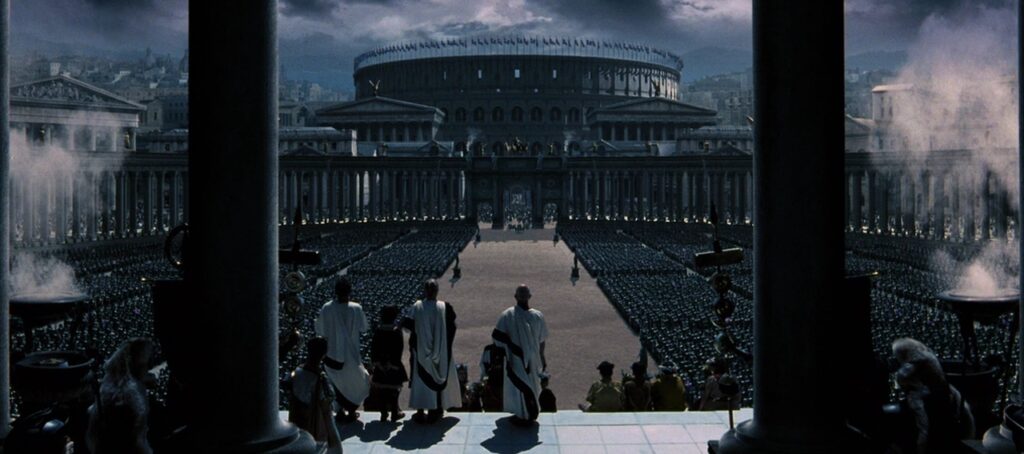
Beneath every society lies a structure most of us rarely notice.
Success, wealth, beauty, talent, and influence are rarely distributed evenly. In many areas, a small minority captures a disproportionate share of the rewards.
This is the idea behind the Pareto distribution. It doesn’t mean that exactly 20% always gets 80%. It describes a broader pattern of unequal outcomes: a few people tend to receive far more than the majority.
You see it everywhere: a handful of artists get most of the attention, a few companies dominate markets, and extreme levels of beauty, talent, or charisma remain rare.
Illusion vs reality
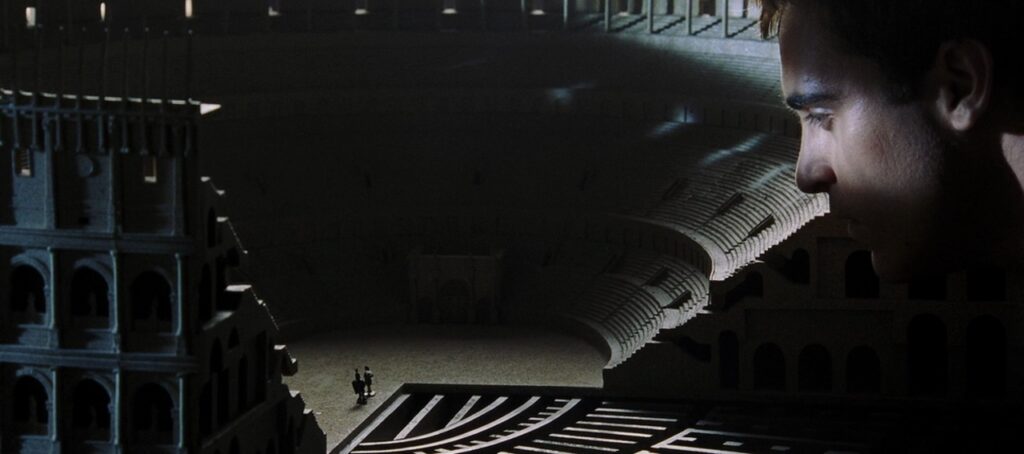
And this creates another paradox.
Because wealth, beauty, talent, power, and influence are unevenly distributed, most people will inevitably remain outside the very top of the hierarchy.
Yet the hierarchy itself is open to everyone. We can admire the same winners, follow the same ideals, imitate the same trends, and aspire to rise.
The reality is exclusive. The symbolism is universal.
A small minority may possess the status, but millions participate in the system that gives it meaning.
Perhaps this is why societies depend on shared beliefs. People don’t need to possess what society values to participate in its value system. They can admire it, consume it, imitate it, or aspire to it.
The illusion doesn’t have to be completely true. It only has to be shared.
The reality of the markets
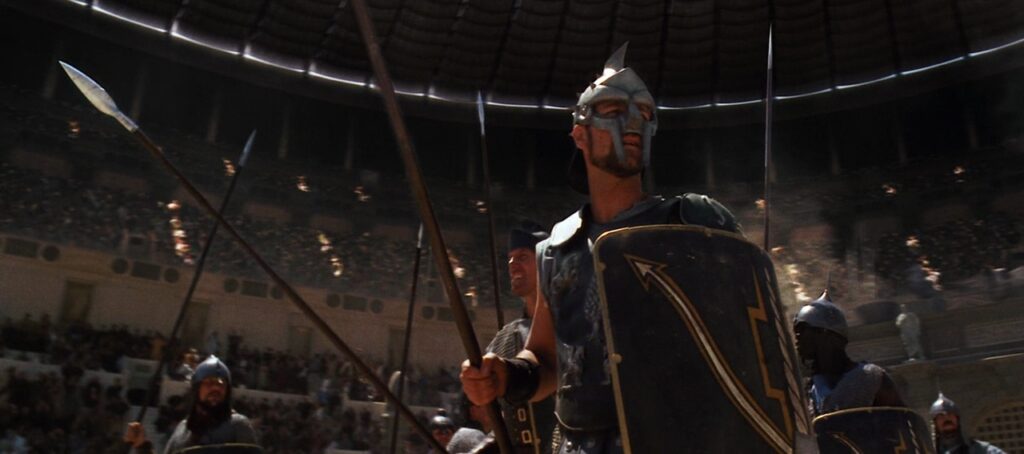
And this creates a difficult reality for artists and entrepreneurs.
The people inside these symbolic hierarchies are not a minority.
They are the mass market.
They are the audience, customers, consumers, voters, and followers. And because markets respond to perception, understanding what people believe can matter as much as understanding what is objectively true.
People don’t buy only things. They buy meaning, identity, aspiration, reassurance, and belonging.
An artist who rejects his audience’s aesthetic codes may remain invisible. An entrepreneur who ignores what people believe they need may build a superior product nobody wants.
The choice is simple: fight the collective illusion, or understand it and work within it.
This doesn’t necessarily mean deception. It means recognizing that what people feel they need can matter as much as what they objectively need.
The most successful products don’t just solve problems. They complete a story people already want to believe about themselves.
If you want to reach the mass market, you don’t always have to destroy the illusion. Sometimes, you simply have to understand it better than everyone else.
The psychology of the mob
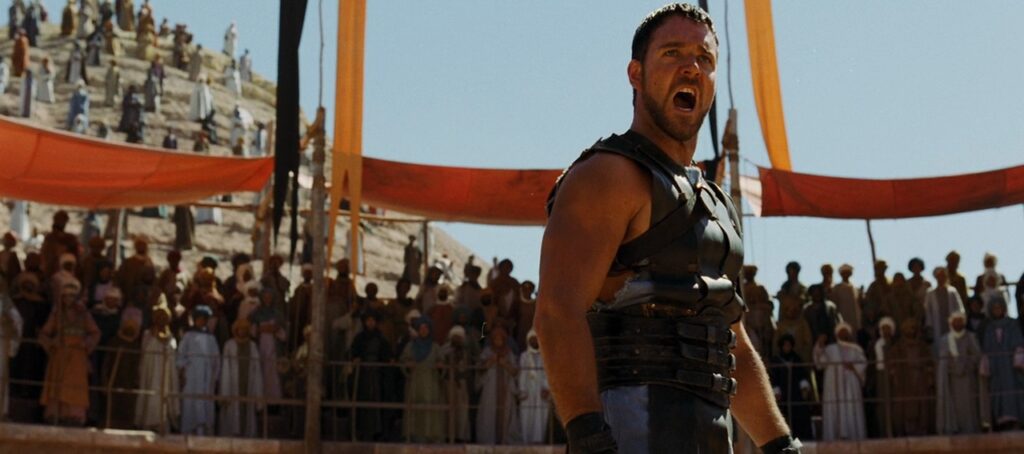
This brings us to the psychology of the mob.
A shared symbolic world lets people experience the reward without paying the full price of reality.
The feeling of status without power. Belonging without rejection. Beauty without discipline. Success without sacrifice.
Symbols are powerful because they compress reality. A luxury brand signals status in seconds. A diploma communicates years of competence with a piece of paper. Fashion can create belonging with a change of clothes.
The symbol becomes a shortcut to the experience.
And that isn’t necessarily irrational. We have limited time, money, energy, and attention, so we naturally seek shortcuts.
The problem begins when the symbol becomes more important than what it represents. Society can then start rewarding the appearance of achievement over achievement itself.
This is where the mass market becomes powerful.
It doesn’t always want the full reality. It wants a concentrated dose of it.
A taste of luxury without wealth. Adventure without risk. Rebellion without consequences. Success without sacrifice.
The market doesn’t always sell reality. It sells the feeling of reality at a fraction of the cost.

OUR SPONSOR OF THE DAY : NEONNIGHT.FR
Win the crowd you’ll win your freedom
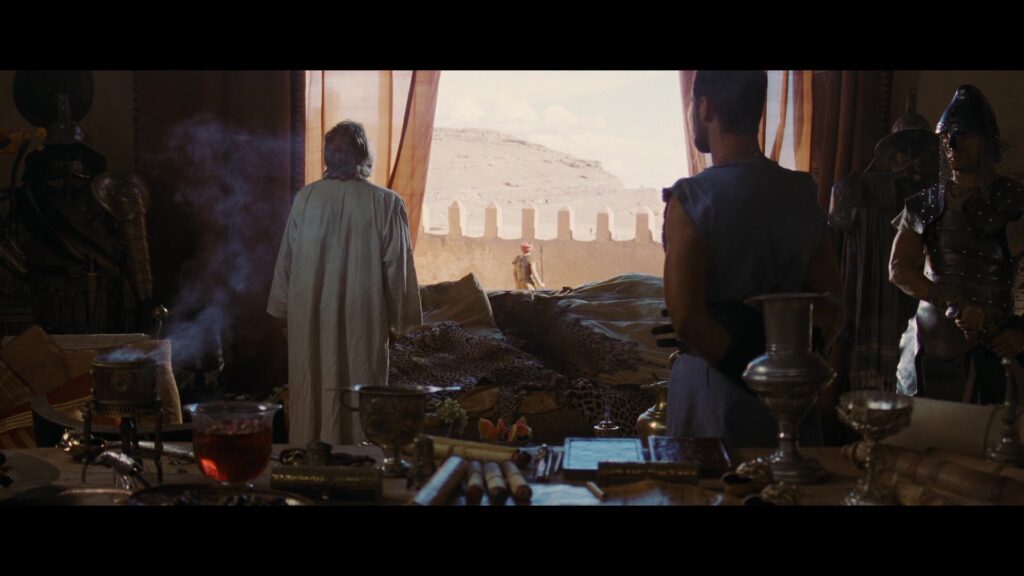
“I wasn’t the best because I killed quickly. I was the best because the crowd loved me. Win the crowd, and you’ll win your freedom.” Proximo
At first, this sounds like simple advice for surviving the Colosseum.
But it is really a lesson about power.
The crowd is the market.
The crowd decides who matters, who gets attention, and who has value. A gladiator may be strong, but he becomes powerful when thousands believe in him.
The same applies everywhere:
- An artist needs an audience.
- A politician needs voters.
- A brand needs consumers.
- An entrepreneur needs customers.
Talent and competence become social power only when others recognize them.
And this reveals the paradox of freedom:
To escape the system, you may first have to master its symbols.
Maximus cannot simply reject the crowd. He needs it. He doesn’t escape Rome by declaring the Colosseum meaningless. He becomes so meaningful within it that the crowd becomes his source of power.
He turns popularity into leverage.
You don’t always defeat a system by standing outside it. Sometimes you enter the arena, understand what the crowd wants, give it something to believe in—and use the power it gives you to change the rules.
- The crowd wants spectacle. Maximus gives it spectacle.
- It wants a hero. He becomes one.
- It wants victory. He gives it victory.
And slowly, the crowd stops belonging to Rome and starts belonging to Maximus.
That is why Commodus fears him.
The Emperor controls the crowd through power. Maximus begins to control power through the crowd.
The arena was meant to make Maximus a slave. Instead, he learns to make the arena work for him.


GIPHY App Key not set. Please check settings