
 dudeoi
Bennett Miller’s Foxcatcher (2014) is often described as a true-crime drama about the murder of Olympic wrestler Dave Schultz.
That’s accurate, but it’s also the least interesting thing about the film.
The murder isn’t really a twist. From the beginning, something feels deeply wrong. The film spends two hours showing us the conditions that make the ending possible.

What Foxcatcher is really about is power, masculinity, loneliness, status, and the desperate need to matter.
At the center of it all is John du Pont, a wealthy heir who has almost everything money can provide. Except the one thing he actually wants: to be respected. And that’s where the tragedy begins.

OUR SPONSOR OF THE DAY : NEONNIGHT.FR
The difference between power and respect
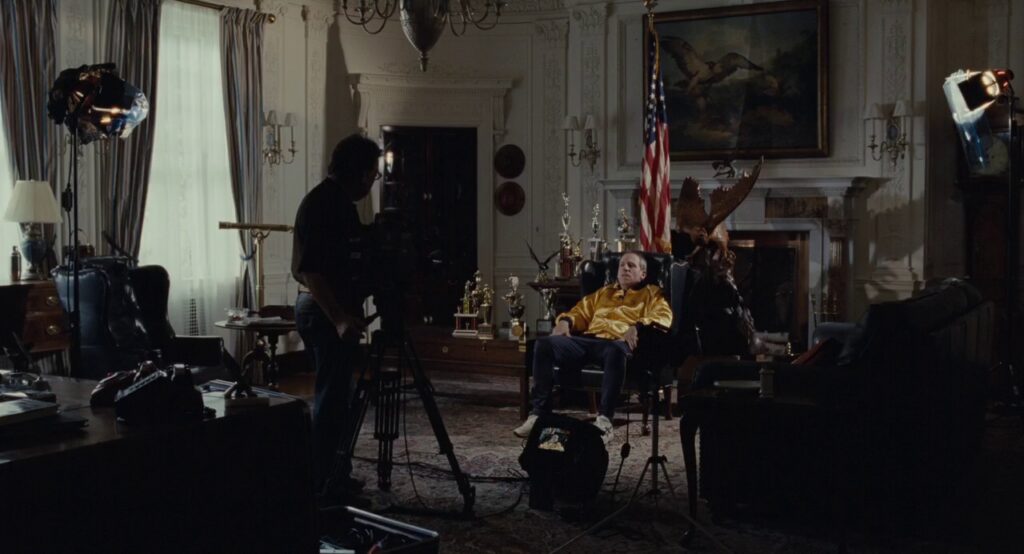
Du Pont is extremely powerful.
- He owns the land.
- He owns the facilities.
- He controls the money.
- He can recruit Olympic athletes.
- He can build an entire wrestling program and put his name on it.
But there is a problem.
Power and respect aren’t the same thing.
- You can make someone work for you.
- You can pay someone.
- You can control their opportunities.
- You can make them depend on you.
- But you can’t force someone to genuinely admire you.
That’s the distinction that drives the entire film.
Du Pont has enormous dominance but desperately wants prestige.
Dominance says: You respect me because I have something you need.
Prestige says: You respect me because I have something worth respecting.
Du Pont can buy the first. He can’t buy the second. And he knows it.
A man surrounded by everything except what he wants
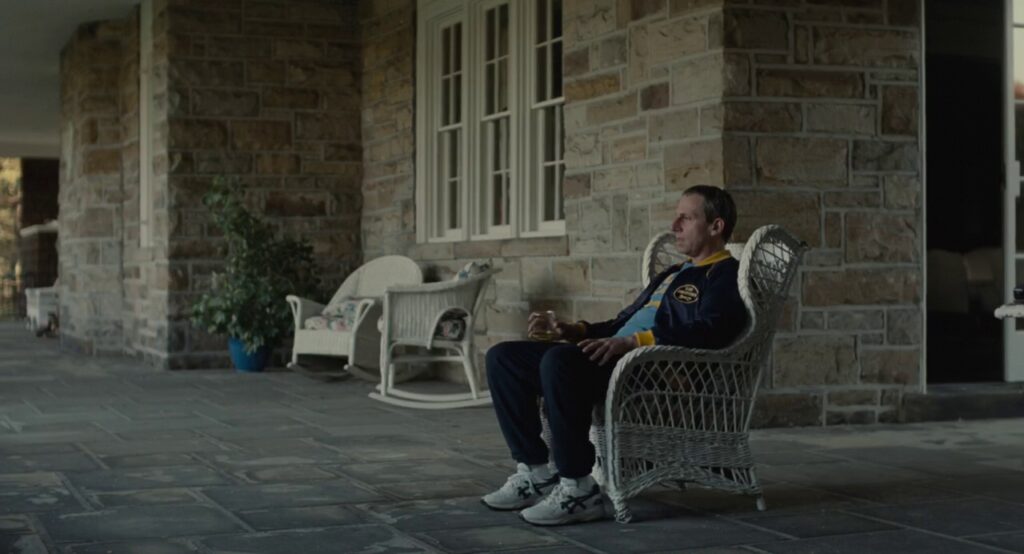
Du Pont has spent his entire life inside inherited privilege.
He never had to fight his way into a room. He was born inside the room. That’s precisely the problem.
The things he wants most: athletic achievement, toughness, respect, legitimacy are things that cannot be inherited.
- He can’t inherit an Olympic medal.
- He can’t inherit physical courage.
- He can’t inherit the experience of struggling alongside other men.
- He can’t inherit the respect of athletes who have spent their lives suffering for their achievements.
So he builds Foxcatcher. And Foxcatcher becomes much more than a wrestling program. It becomes a machine for manufacturing an identity.
Du Pont can now call himself:
- Coach.
- Mentor.
- Leader.
- Patriot.
- Sports visionary.
He has created a world in which other people are supposed to confirm the identity he has chosen for himself. But there’s a problem.
The people around him know why they’re there. They need his money. He needs their respect. And those are not the same thing.
Wrestling is the worst possible sport for John du Pont
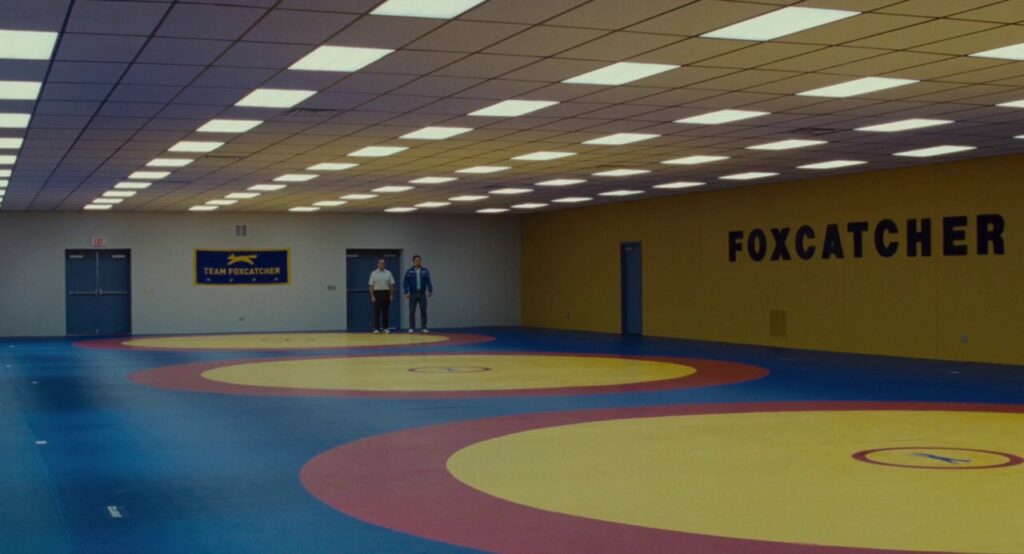
This is one of the film’s great ironies.
Du Pont becomes obsessed with wrestling precisely because wrestling represents something his money can’t control.
On the wrestling mat, your surname doesn’t matter.
- Your house doesn’t matter.
- Your inheritance doesn’t matter.
- Your social connections don’t matter.
- Your body is tested against another body.
- You either have the skill or you don’t.
- You either win or you lose.
- You can’t inherit a takedown.
- You can’t purchase an Olympic victory.
- The mat doesn’t care how rich you are.
And that’s precisely why wrestling attracts Du Pont.
It represents a world of earned status. But it’s also precisely why it threatens him.
Because he enters a world where his usual currency money suddenly has much less value.
So instead of earning the status he wants, he begins trying to recreate the appearance of earning it.
- He surrounds himself with athletes.
- He calls himself a coach.
- He participates in training.
- He creates situations where he can perform the role.
The real competition is replaced by something he can control.
He can’t become a great wrestler. So he builds a world where he can look like the kind of man who belongs among great wrestlers.
That’s the central illusion of Foxcatcher.
Mark Schultz already has a wound
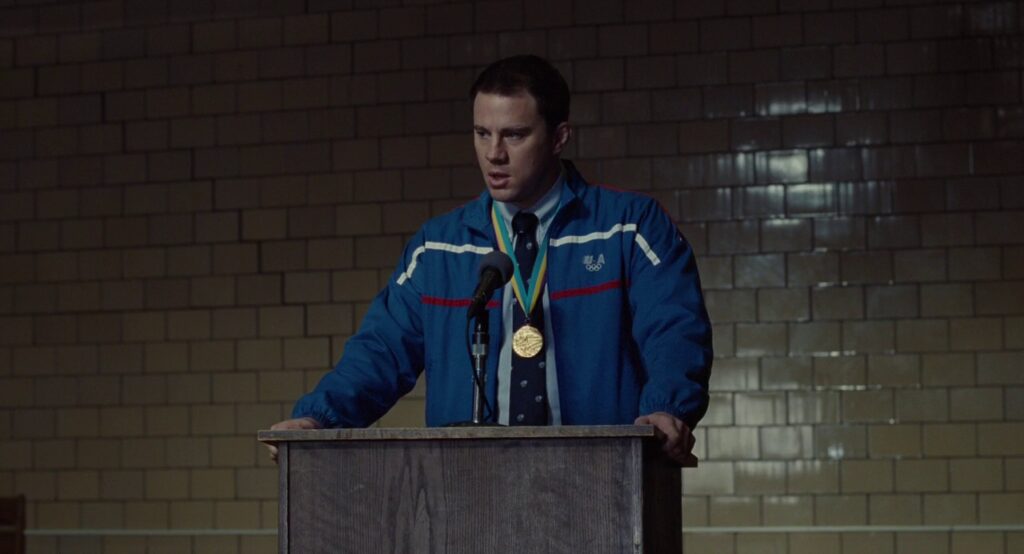
Mark Schultz is particularly vulnerable to Du Pont because Mark has his own problem with status.
He’s an Olympic champion.
And yet he doesn’t feel like one.
Because he’s always been compared to his older brother, Dave.
- Dave is the admired one.
- The confident one.
- The successful coach.
- The family man.
- The older brother who seems to know who he is.
Mark has achieved something extraordinary and still feels like: Dave Schultz’s little brother.
That’s the wound Du Pont recognizes.
And Du Pont offers him something incredibly seductive: You don’t have to live in Dave’s shadow anymore.
- You can become Mark Schultz.
- You can have your own team.
- Your own identity.
- Your own world.
- Your own name on the building.
And suddenly Du Pont isn’t just giving Mark money. He’s giving him a new story about himself.
The relationship becomes a transaction
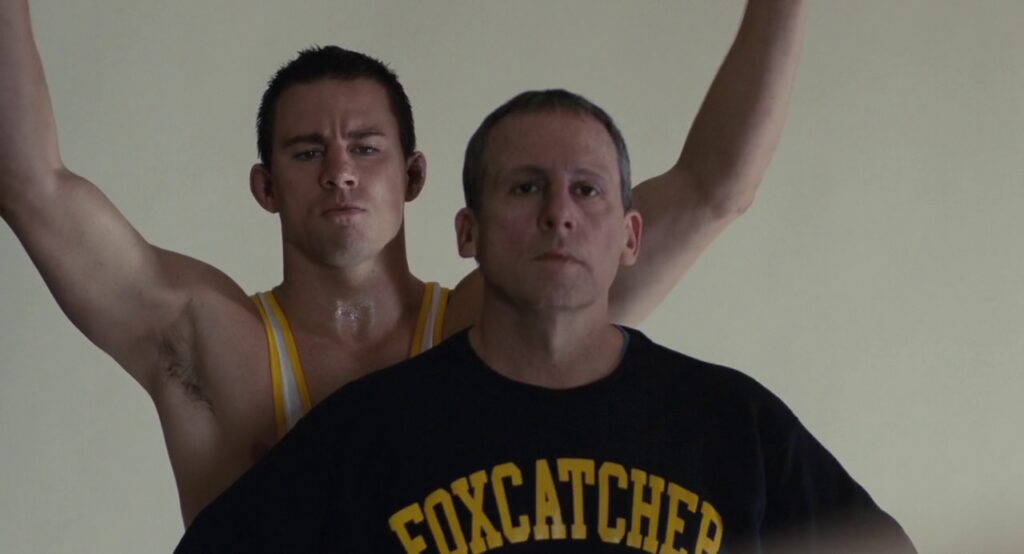
At first, Du Pont appears generous.
He gives Mark:
- money
- housing
- food
- training facilities
- equipment
- opportunity
But gradually, the relationship changes.
Support becomes dependency. And dependency becomes control.
That’s one of the darkest ideas in the film.
When someone provides everything you need, they can eventually start believing that you belong to them.
The generosity creates an invisible debt. And eventually the question becomes: After everything I’ve done for you, why don’t you respect me?
That’s where Du Pont’s understanding of relationships begins to reveal itself.
- He understands exchange.
- He understands leverage.
- He understands possession.
But he doesn’t understand genuine intimacy.
Then there is Dave
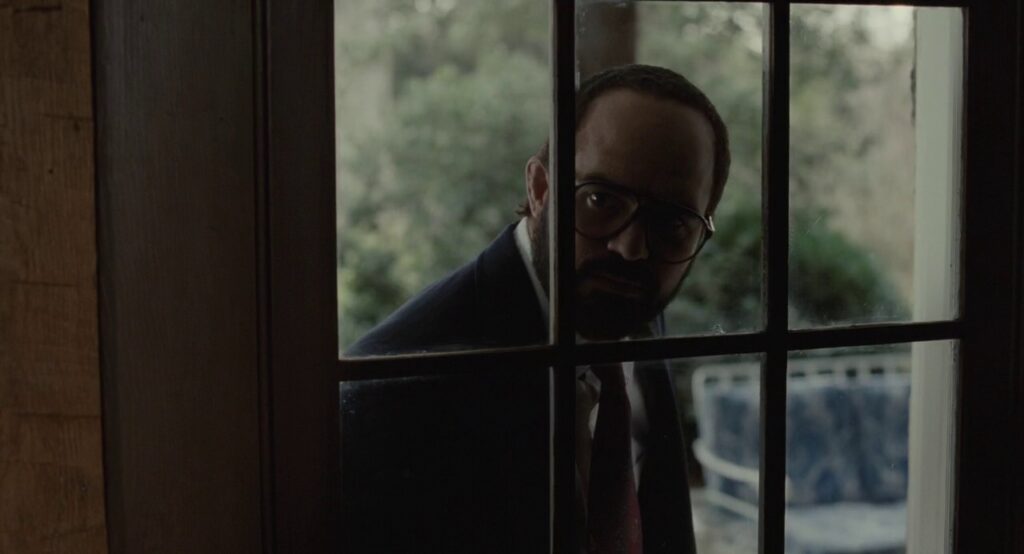
Dave is different.
And that’s why he’s so important.
Dave doesn’t need Du Pont.
- He can take Du Pont’s money without surrendering his identity.
- He can work for him without worshipping him.
- He can respect what Du Pont provides without pretending Du Pont is something he’s not.
And this is precisely what makes Dave dangerous.
Because Dave possesses something Du Pont cannot manufacture: real prestige.
People respect Dave because he has earned it.
- He’s an Olympic champion.
- He’s a successful coach.
- He’s a husband.
- He’s a father.
- He’s a brother.
His identity exists independently of Foxcatcher.
Du Pont can buy Dave’s time. He cannot buy Dave’s admiration. And that’s a very different kind of power.
Dominance versus prestige
This distinction helps explain almost everything in Foxcatcher.
There are essentially two ways of acquiring status.
Dominance
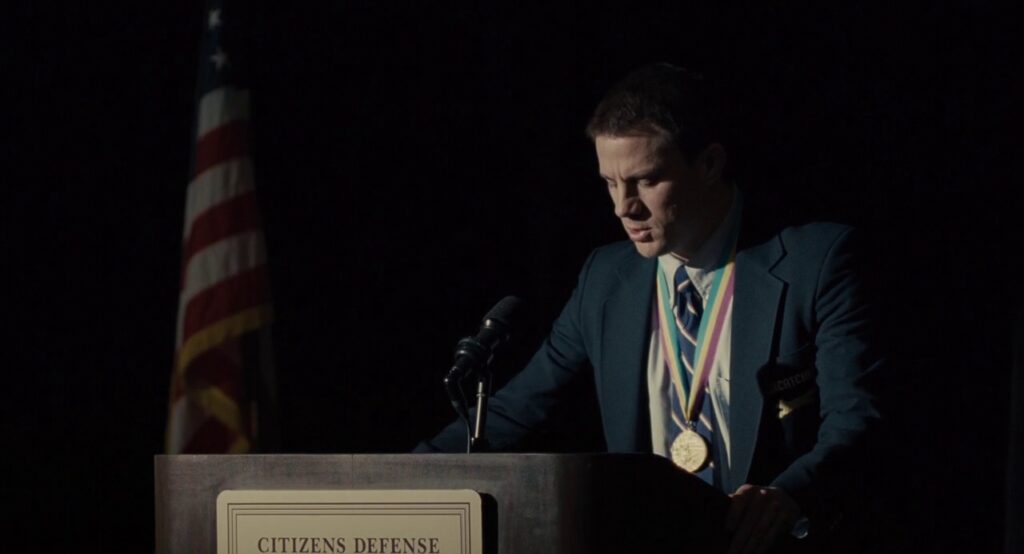
You have status because you control something other people need.
- Money.
- Resources.
- Jobs.
- Access.
- Property.
- Power.
- People comply because there is a cost to refusing.
Prestige
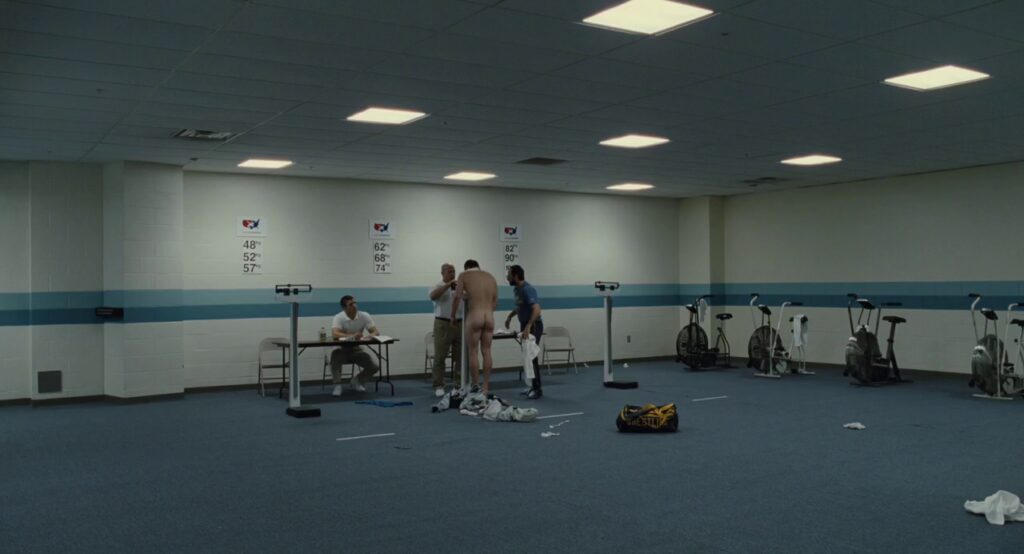
You have status because people genuinely believe you possess something valuable.
- Skill.
- Knowledge.
- Experience.
- Achievement.
- Character.
- People voluntarily seek you out because they want to learn from you or associate themselves with you.
The two can coexist.
A person can be both powerful and genuinely respected. But they are not the same thing. And Du Pont is trapped on the wrong side of the distinction.
He has almost unlimited dominance. But he desperately wants prestige.
How can you tell the difference?
There’s a simple test. Remove the person’s power.
What happens?
If everyone suddenly stops respecting them, their status was probably largely based on dominance.
If people continue seeking them out because they still value their knowledge, talent or character, that’s prestige.
There’s another test: What happens when they’re not in the room?
Dominance produces compliance in front of the powerful person and often resentment behind their back.
Prestige doesn’t require surveillance. People respect the person even when they have nothing to gain from doing so.
And there’s another: Does the person constantly need to prove their status?
Dominance has to be continually reinforced. Prestige usually doesn’t.
- A great surgeon doesn’t need to keep announcing that he’s a great surgeon.
- A great wrestler doesn’t need to convince everyone he’s a great wrestler.
The achievement speaks for itself.
Du Pont, by contrast, is constantly constructing evidence of his own importance. That’s because the evidence isn’t naturally there.
The estate says everything

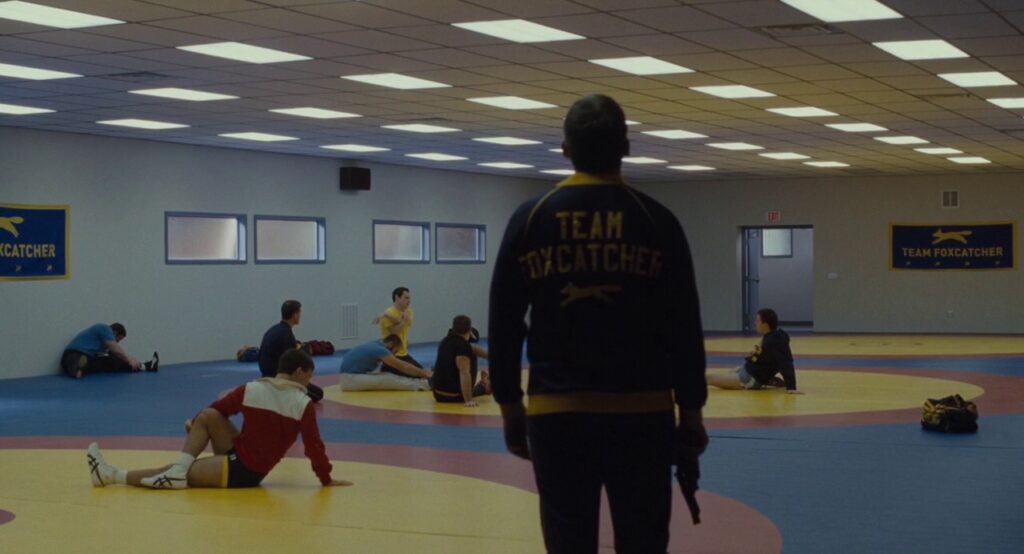
Foxcatcher Farm is one of the film’s greatest characters.
- It’s enormous.
- Beautiful.
- Immaculately maintained.
- And strangely empty.
It looks like a place where everything can be controlled. And yet it feels completely lifeless.
That’s the visual paradox of Du Pont’s world: He has more space than almost anyone, and less genuine connection.
Compare that with Dave’s family life. It’s smaller. Messier. More ordinary. But it’s inhabited. People need one another.
- There’s warmth.
- There’s noise.
- There’s friction.
- There’s life.
Du Pont has accumulated things. Dave has relationships. And that difference is fundamental.
Du Pont’s identity is largely external: the estate, the money, the name, the collection, the team.
Take those things away and what remains? That’s the terrifying question the film keeps asking.
The American dream turned inside out
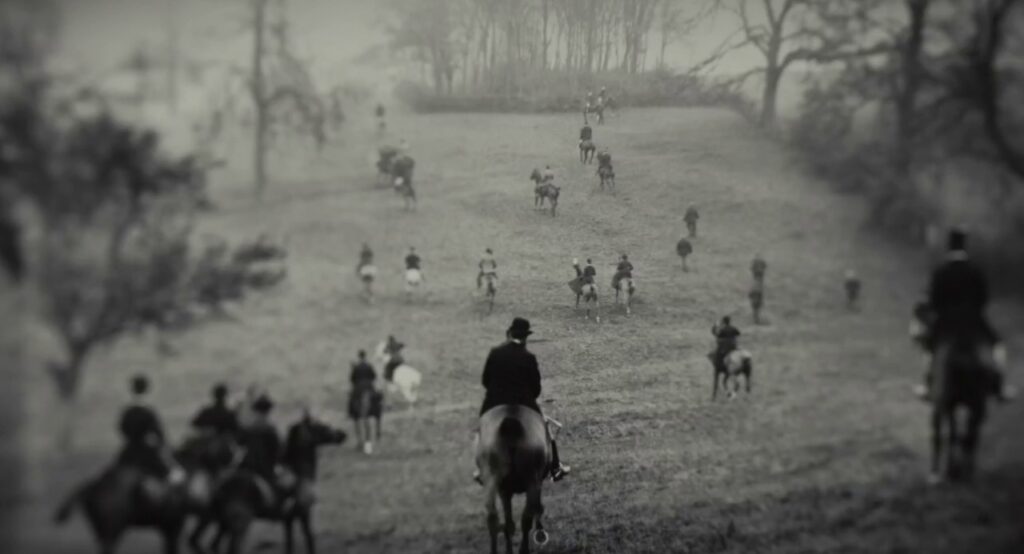
There’s also something deeply American about Foxcatcher.
Du Pont represents one extreme of the American dream: wealth, independence, ownership, self-determination.
But the film asks what happens when you have already inherited the dream.
- What happens when you don’t have to struggle for anything?
- What happens when you can buy almost every external symbol of success but still don’t feel successful?
Du Pont tries to solve the problem by buying increasingly elaborate symbols of importance.
- He builds a wrestling empire.
- He surrounds himself with Olympic athletes.
- He associates himself with patriotism and national achievement.
- He tries to turn himself into a historical figure.
But the more aggressively he tries to manufacture significance, the more fragile the construction becomes.
The tragedy of trying to become someone
This is ultimately what makes Foxcatcher so disturbing.
Du Pont doesn’t simply want things. He wants to be someone. And there’s nothing inherently wrong with that. Most people want to become someone.
The problem begins when the identity becomes more important than reality.
- Du Pont needs to believe he’s a coach.
- He needs to believe he’s a leader.
- He needs to believe he’s respected.
- He needs the people around him to participate in that belief.
And when they stop participating, they’re no longer simply disagreeing with him.
They’re threatening the person he believes himself to be. That’s why humiliation becomes so dangerous.
If your entire identity rests on being powerful, then being ignored feels catastrophic. If your identity rests on being admired, rejection feels like annihilation.
If your identity rests on being important, discovering that someone doesn’t need you can become unbearable.
The ending isn’t really a surprise

This is why the murder doesn’t need to function as a conventional thriller twist.
The film has already shown us the ingredients.
- The wealth.
- The loneliness.
- The insecurity.
- The dependency.
- The obsession with status.
- The inability to distinguish respect from obedience.
- The increasingly unstable identity.
By the time the gun appears, the tragedy has already happened psychologically. The murder is simply its final expression.
And that’s why the ending is so cold.
- There is no great cinematic explosion.
- No satisfying confrontation.
- No heroic resolution.
Just something horrible and strangely ordinary. That’s important.
The film isn’t saying: “Look what this monster suddenly did.”
It’s saying: “Look where this entire system was always heading.”
When Truth and Excellence Become Threatening
There is another, darker dimension to Foxcatcher: people don’t always resent someone because they are more powerful or more successful. Sometimes they resent them because they are genuinely themselves.
We tend to imagine status as a simple equation: become exceptional, earn recognition, receive admiration. But genuine excellence can produce the opposite. Someone else’s achievement creates comparison, and comparison can become uncomfortable: Why aren’t I capable of that? Admiration turns into envy, and envy contains two contradictory desires: I want what you have, and I don’t want you to have it.
But you don’t even have to be exceptional to create that discomfort. Sometimes simply refusing to perform the status game is enough.
This is what makes Dave and du Pont such powerful opposites.
Du Pont is obsessed with legibility. He wants to look like a coach, a patriot, a leader, a great man. Foxcatcher becomes an enormous machine for proving that he is those things. Dave doesn’t need to construct an image. He wrestles, coaches, raises his family, and has relationships. He isn’t trying to look significant. He simply has a life that is significant to him.
- Du Pont wants to be seen as something.
- Dave simply wants to be something.
And that difference makes Dave threatening.
Because you can compete with someone who wants to win. You can dominate someone who needs your money. You can impress someone who cares about status.
But how do you compete with someone who isn’t playing the same game?
Dave can accept Du Pont’s money without needing Du Pont’s approval. He can work for him without worshipping him. He can acknowledge his power without accepting his mythology. His identity exists independently of Foxcatcher.
That’s why the conflict isn’t simply rich versus poor, or powerful versus powerless.
It’s legibility versus truth.
Legibility asks: Do I look successful? Important? Sophisticated? Interesting?
Truth asks: Is this actually who I am, and is this actually how I want to live?
And these two things can diverge dramatically.
The artist who makes something strange instead of marketable. The person who leaves the prestigious career. The friend who doesn’t care about the expensive restaurant. The person who refuses to pretend to enjoy the party. None of them necessarily have more status than everyone else. They simply refuse to let other people’s measurements determine their identity.
And that can be deeply unsettling, because their existence raises a question more threatening than “Why are you better than me?”
It asks: “What if I don’t need any of this?”
That is perhaps the deepest tragedy of Foxcatcher. Du Pont spends his life manufacturing evidence that he is important, while Dave possesses something Du Pont cannot manufacture: an identity that doesn’t depend on being seen.
And maybe that’s why the film is ultimately less about success than about the danger of needing to look like someone instead of becoming someone.
Because excellence can provoke resentment. But truth can threaten the entire game.
The Cost of Authenticity

One of the reasons Foxcatcher feels so concerned with authenticity is that what we are willing to sacrifice often reveals what we genuinely value.
If someone claims to care about something, but their commitment always benefits them through money, status, recognition or power we can’t know whether the value is genuine or simply part of their image.
A sacrifice changes the equation.
When you give up something valuable without an obvious reward, the cost becomes evidence of sincerity. It becomes harder to explain the action as performance.
This is where Dave and Du Pont become such interesting opposites.
Du Pont gives enormous amounts of money to wrestling, but his generosity isn’t really selfless. He gets something in return: prestige, proximity to Olympic athletes, the identity of Coach, the feeling of importance. He sacrifices resources in order to manufacture a self.
Dave’s sacrifices are different. His time, energy and commitment to his athletes aren’t really about constructing a mythology around himself. They’re consistent with the person he already is.
We see this particularly clearly when Dave allows Du Pont into the corner—not because he genuinely wants him there, but because he understands that tolerating Du Pont may help protect Mark’s position and salary. It’s an almost invisible sacrifice. Dave compromises his own preferences for someone else’s benefit.
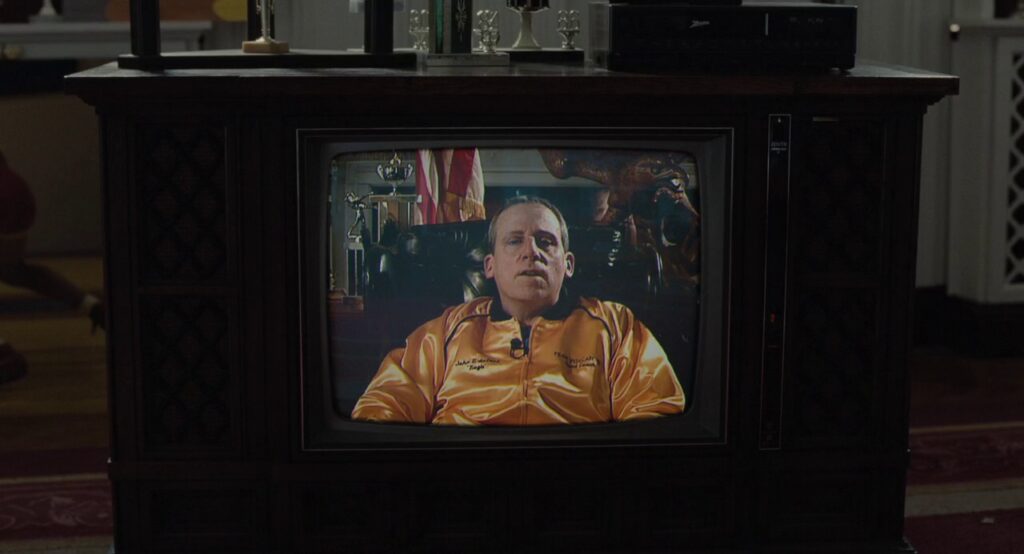
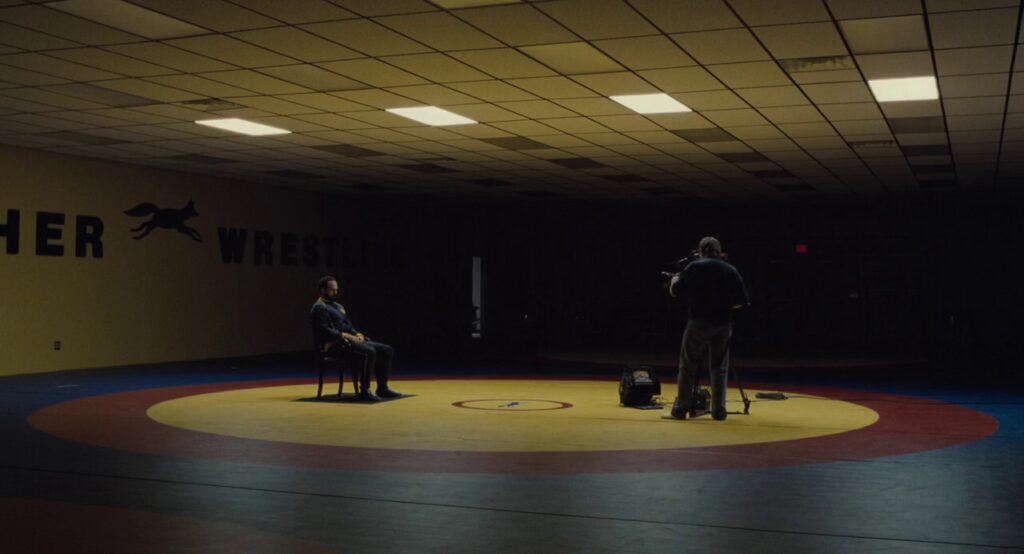
And then Du Pont asks him, on camera, to describe him as an aspiration.
- Dave almost can’t do it.
- He can cooperate with Du Pont. He can respect what Du Pont provides. He can even accept his money.
- But he cannot convincingly pretend to admire him.
That’s the crucial difference.
Du Pont wants the visible gesture of admiration because it confirms the identity he is trying to construct.
Dave is willing to make an invisible sacrifice for his brother, but he isn’t willing to sacrifice the truth of what he feels simply to make Du Pont feel important.
That’s the paradox: Du Pont uses sacrifice to become someone. Dave sacrifices because he already knows who he is.
And this gives us a useful way of thinking about authenticity. It isn’t simply about “being yourself.” It’s about what happens when your values become more important than your interests.
The real test isn’t: What do you say you care about?
It’s: What are you willing to lose for it when nobody is watching?
Because when there is no audience, no status and no reward, there is very little left to perform.
The sacrifice becomes the evidence.
OUR SPONSOR OF THE DAY : NEONNIGHT.FR
The deepest theme of Foxcatcher
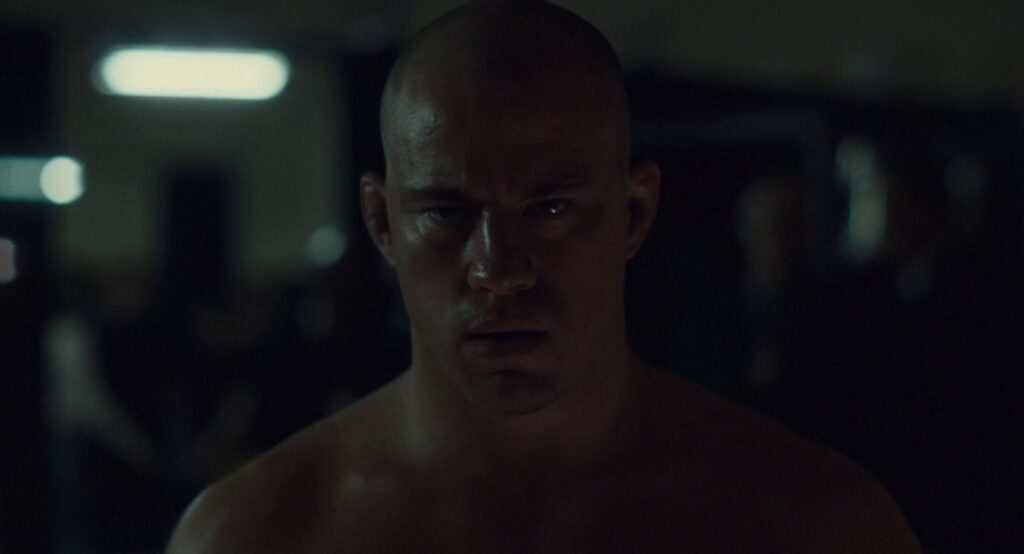
Ultimately, Foxcatcher is about the difference between having power and being somebody.
- Du Pont has power.
- Mark has talent.
- Dave has earned respect.
And all three men are trying, in different ways, to answer the same question: “Do I matter?”
- Mark wants to escape his brother’s shadow.
- Du Pont wants to escape his own emptiness.
- Dave simply wants to live his life.
And perhaps that’s why Dave becomes so important to the story.
He doesn’t need to manufacture a mythology around himself.
He has something Du Pont can never purchase: a self that exists without the performance.
That’s the tragedy at the center of Foxcatcher.
Du Pont spends enormous amounts of money trying to manufacture the feeling of being significant.
- But prestige cannot be purchased.
- Respect cannot be inherited.
- Belonging cannot be owned.
- And identity cannot be built entirely out of things other people can take away.
In the end, Foxcatcher is almost a horror film about what happens when the person you desperately need the world to believe you are becomes more important than the person you actually are.


GIPHY App Key not set. Please check settings