
 dudeoi
Backrooms, directed by Kane Parsons, is one of the most elaborate psychological horror films to emerge in decades.
Through the abstract metaphor of the Backrooms, the film descends into the subconscious mechanisms we use to conceal painful truths in order to survive, creating a form of horror far more threatening than any monster: the reality we have spent our lives avoiding.

OUR SPONSOR OF THE DAY : NEONNIGHT.FR

Quick plot
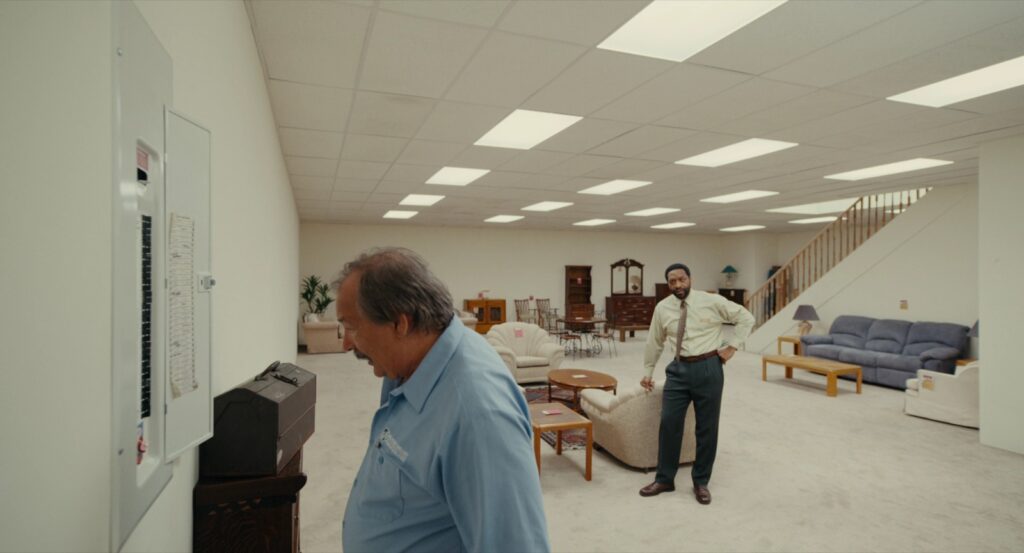
Backrooms follows Clark, a struggling furniture salesman whose life begins to unravel as he becomes increasingly obsessed with a mysterious, seemingly impossible space hidden beneath the surface of reality. What begins as an inexplicable discovery gradually pulls him deeper into a world of endless rooms, distorted spaces, and terrifying uncertainty. As his obsession grows, the boundary between the Backrooms and his own reality begins to blur.
The origin of backrooms
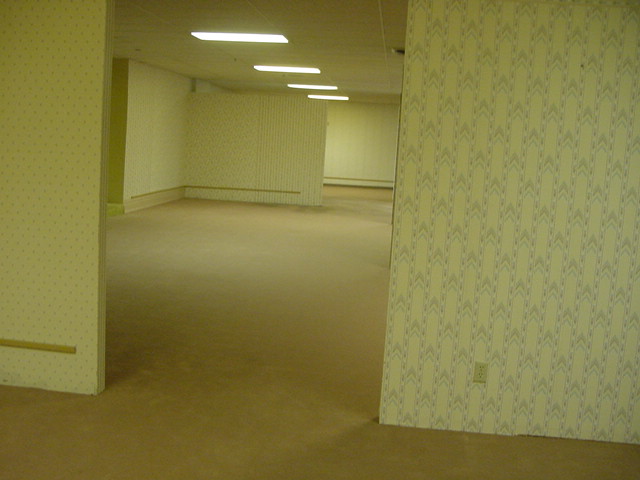
The Backrooms originated in 2019 from a simple image posted anonymously on 4chan: an eerie, yellow-lit, empty office space accompanied by the idea that one could accidentally “noclip” out of reality and become trapped in an endless maze of rooms.
The concept resonated because of its unsettling familiarity, and it quickly evolved into a vast internet-born mythology, with countless levels, entities, stories, and interpretations created by online communities. What began as a single uncanny photograph became one of the defining horror concepts of the internet age.
The Mechanism of the Backrooms: Familiarity Made Wrong
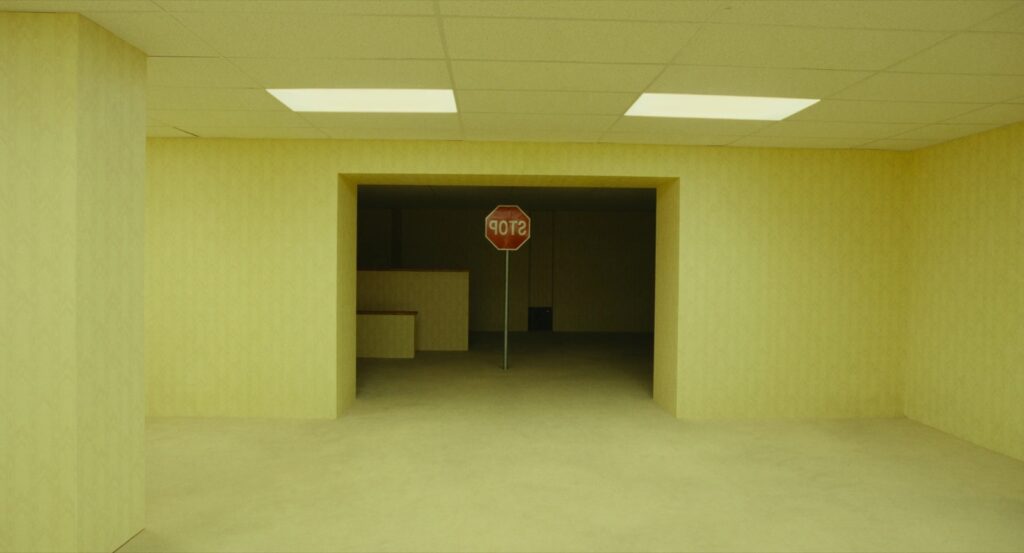
The Backrooms exploit a powerful psychological tension: they look familiar enough to feel safe, yet strange enough to signal that something is fundamentally wrong. The architecture is recognizable—carpets, fluorescent lights, corridors, offices—but the context is impossible. There are no people, no clear purpose, and no logical destination. T
he brain recognizes the environment while simultaneously failing to explain it. This conflict between familiarity and abnormality creates the uncanny: a place that feels as though we have seen it before, yet could never actually exist in this form. The horror emerges not from the unfamiliar, but from the familiar becoming inexplicably wrong.
The themes
Unfulfilled Potential
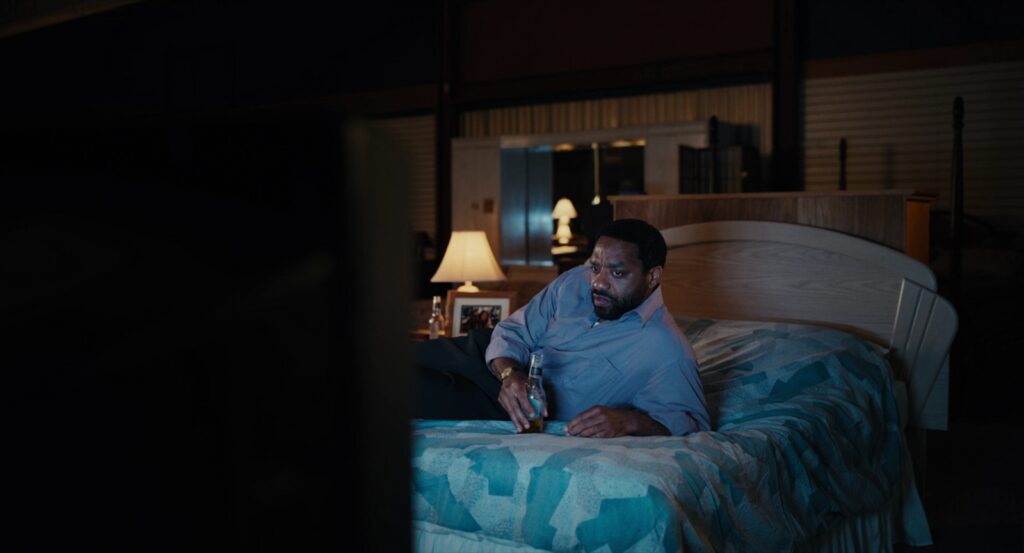
One of the film’s most painful themes is the gap between who we imagined we would become and who we actually became. The Backrooms offer an infinite space in which that unrealized potential can be projected—a world without the ordinary limitations, disappointments, and compromises of real life. But the deeper tragedy is that escaping into possibility cannot restore the life that was never lived. The endless space becomes a metaphor for everything that could have been, turning potential itself into a source of torment.
Self-Deception
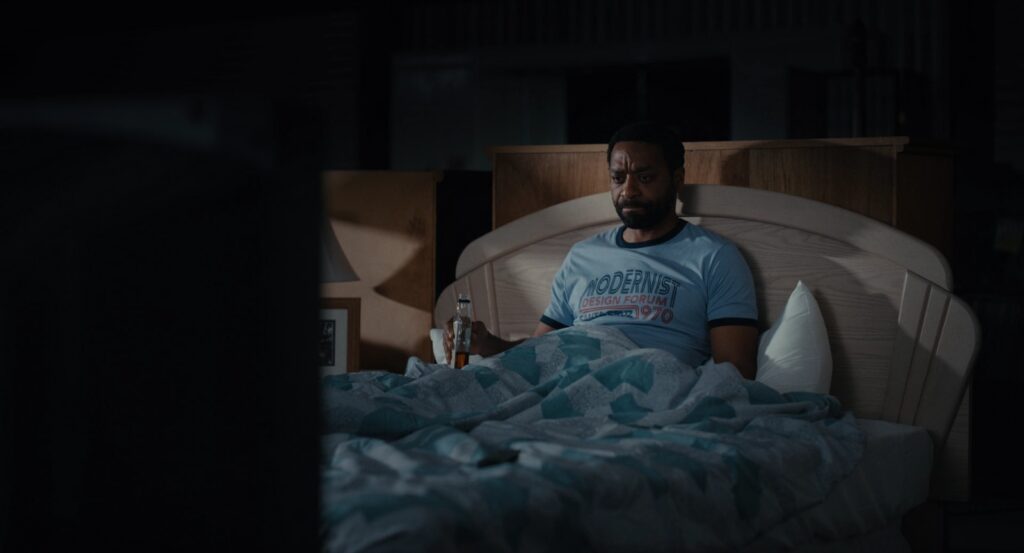
The film explores self-deception as a survival mechanism: the mind reshapes reality when the truth becomes too painful to accept. Rather than confronting failure, loss, or personal responsibility, we can construct explanations that preserve the image we have of ourselves. The horror begins when those protective narratives become so convincing that we can no longer distinguish between the reality we are avoiding and the reality we have created.
The Inability to Accept Failure
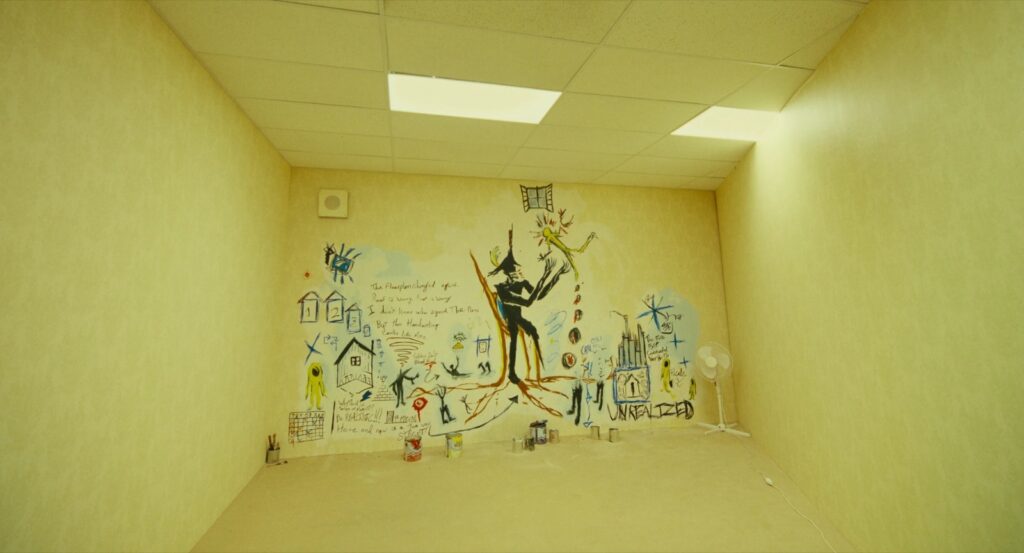
The film explores the psychological difficulty of accepting that life may not unfold as we imagined. Failure becomes threatening not simply because of what we lose, but because it forces us to reconsider who we believe we are. When accepting failure would mean accepting a diminished or unfamiliar version of ourselves, we may retreat into denial, resentment, or fantasy rather than confront the gap between our expectations and reality.
Victimization as Identity Protection
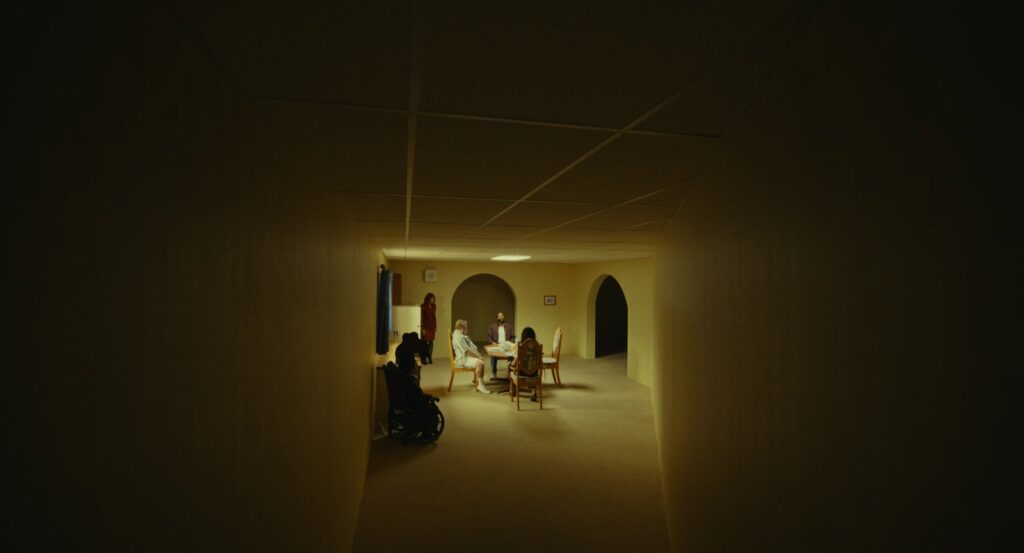
Victimization can become a form of psychological self-protection. By positioning oneself primarily as the victim of circumstances, other people, or an unjust world, a person can preserve a coherent image of themselves while avoiding the more painful possibility that their own choices contributed to their situation.
The victim narrative does not necessarily have to be consciously fabricated; it can become a protective interpretation through which reality is made bearable. In this sense, victimization becomes less about what happened and more about preserving an identity that cannot tolerate the alternative.
Trapped in Our Own Patterns
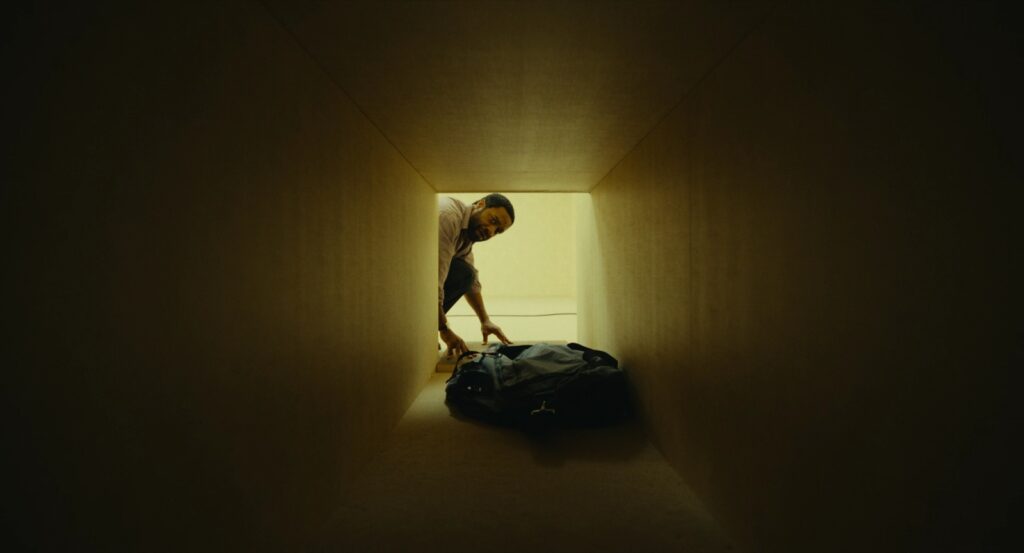
The film also explores how avoidance can become self-reinforcing. What begins as a coping mechanism gradually becomes a pattern: the more a person escapes discomfort, the less capable they become of confronting it.
Eventually, the habit no longer feels like a choice—it becomes the structure of their life. The Backrooms can therefore be read as a physical manifestation of this psychological trap: an environment built from the repeated patterns we cannot seem to escape.
Loss of Agency
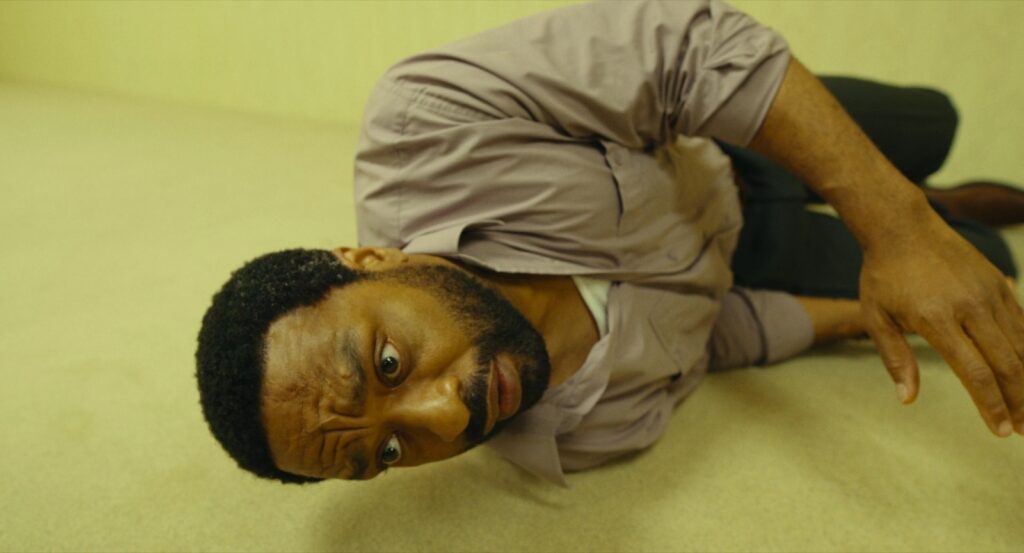
The film explores the terror of losing the ability to meaningfully influence one’s own life. In the Backrooms, movement does not necessarily lead to progress, and every attempt to regain control can reveal new limitations.
This mirrors a deeper psychological fear: the realization that we may be trapped not only by our circumstances, but by the patterns, choices, and beliefs that created them.
The Past That Cannot Be Rewritten
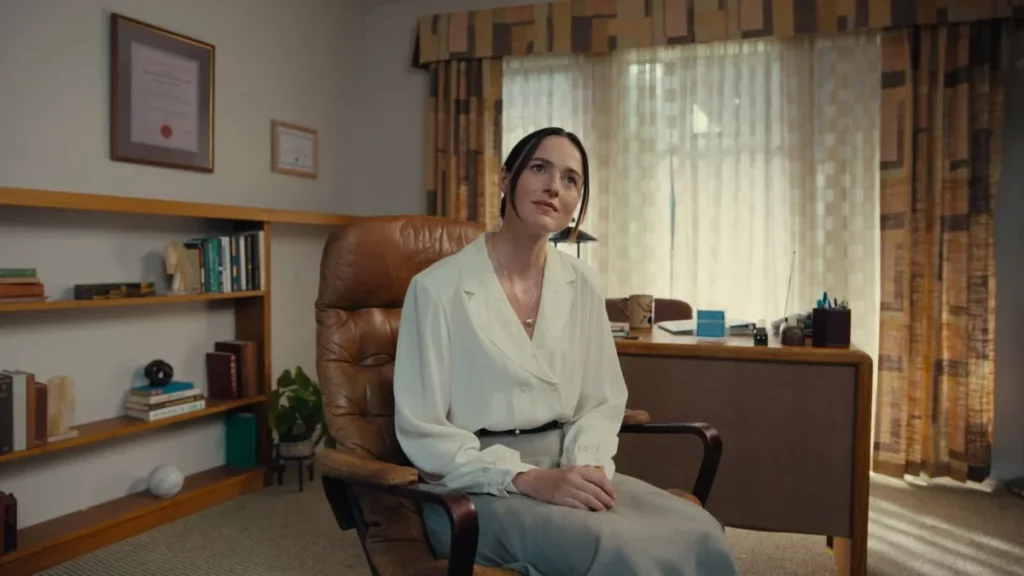
The film explores our desire to escape the consequences of the past rather than accept them. The Backrooms offer the illusion of entering a reality where everything can be reconsidered, undone, or started again. But no alternative world can erase what has already happened. The horror comes from realizing that while we can reinterpret the past, we cannot return to it and become the person we once imagined we would be.
The Need for Control
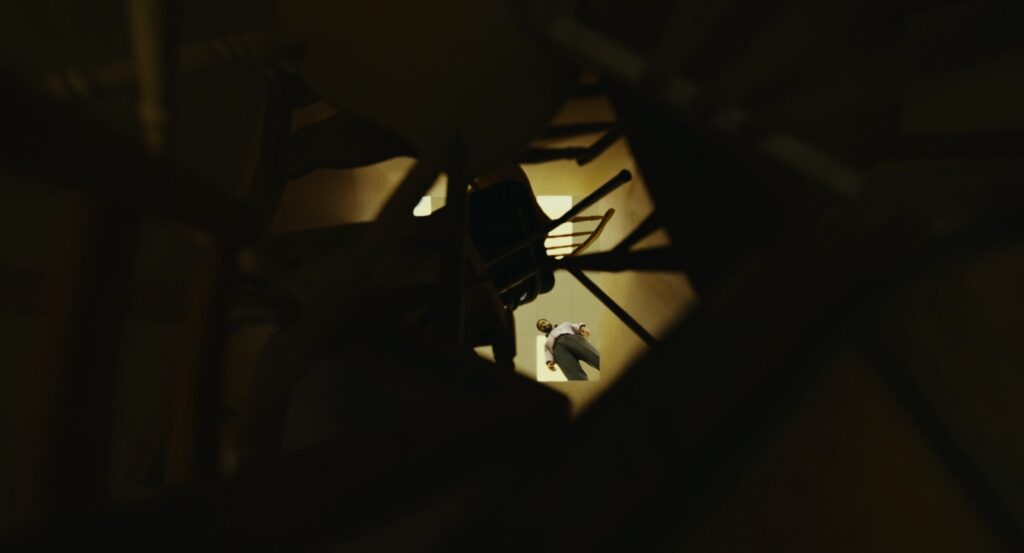
The film explores our instinct to impose order on what we cannot understand. Faced with an environment governed by unfamiliar and seemingly incomprehensible rules, the mind searches for patterns, explanations, and systems it can control.
But the Backrooms continually resist this impulse. The more we try to understand and master them, the more powerless we become. The horror lies not only in the unknown, but in discovering that understanding does not necessarily give us control.
Obsession as Escape
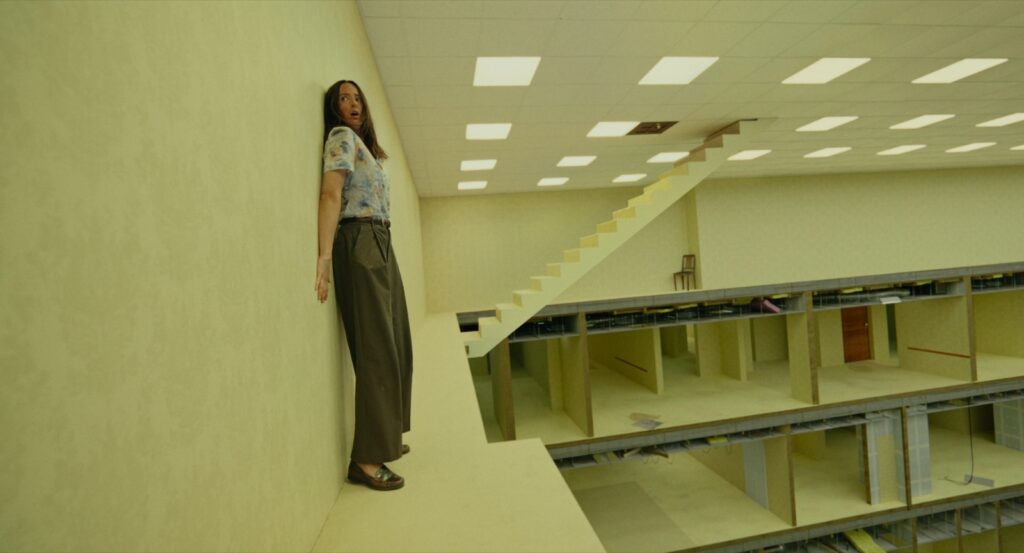
The film explores how obsession can become a form of escape from an unsatisfying reality. What begins as curiosity gradually becomes a fixation, providing a sense of purpose, discovery, and control that ordinary life no longer offers. The obsession becomes seductive precisely because it gives the protagonist something to pursue instead of confronting what he has lost. But as the fixation deepens, the escape becomes its own prison: the thing that once gave life meaning ultimately replaces life itself.
Meaning in an Empty World
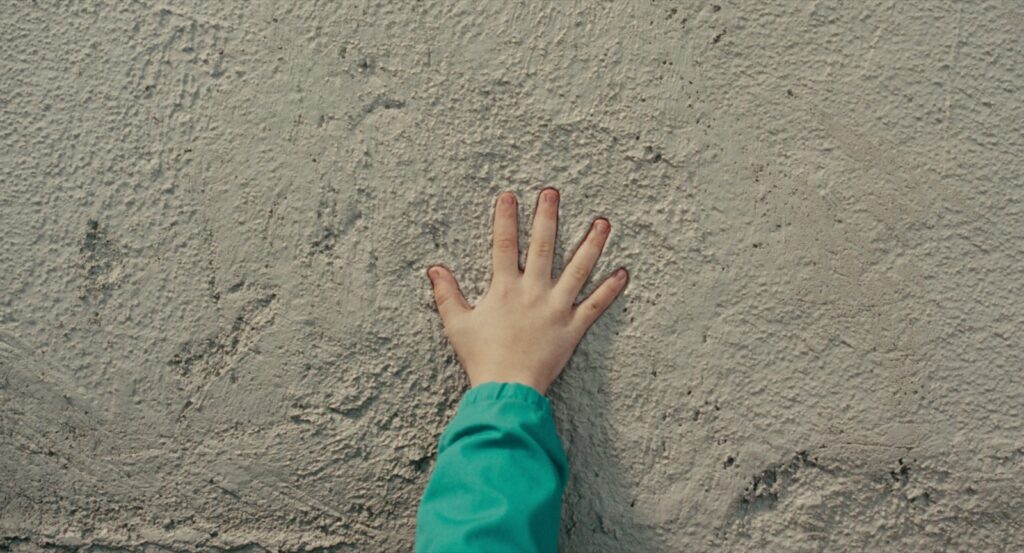
The Backrooms present a world stripped of the things that normally give life meaning: people, purpose, history, and direction. Yet the human mind instinctively tries to create meaning where none is apparent.
We search for patterns, explanations, and purpose because confronting an empty world can be more frightening than confronting a dangerous one. The horror lies in the possibility that meaning is not waiting to be discovered—that we may be the ones who have to create it.
The Self as the Monster
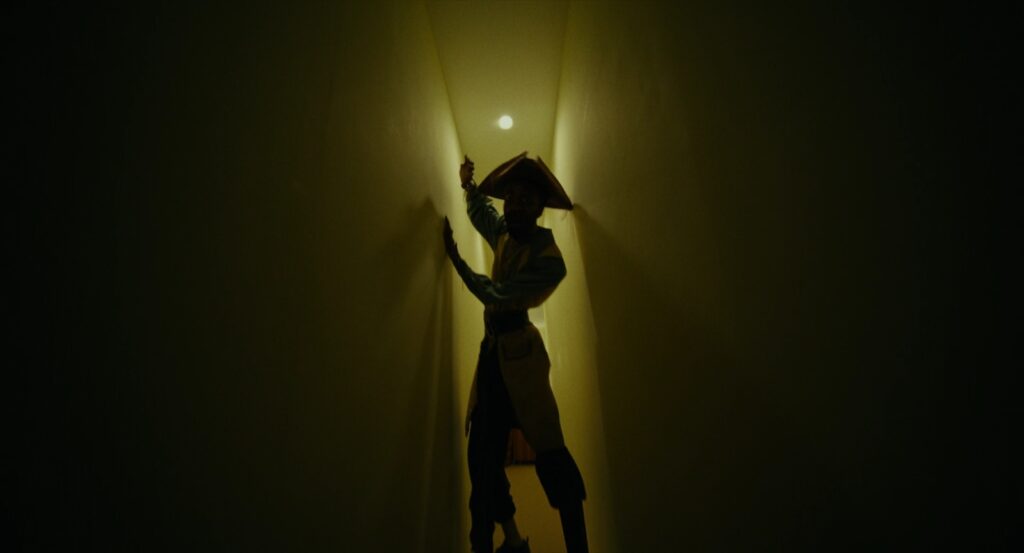
The film’s most unsettling idea may be that the ultimate threat does not come from outside, but from within. The monster can be understood as an external manifestation of the fears, obsessions, denial, and destructive patterns that the protagonist cannot confront in himself.
In this sense, the Backrooms are not simply a place containing a monster—they become a psychological space in which the self’s unresolved conflicts take physical form. The horror is realizing that escaping the monster may ultimately require confronting the person who created the conditions for it to exist.
The Fear of Becoming Stuck
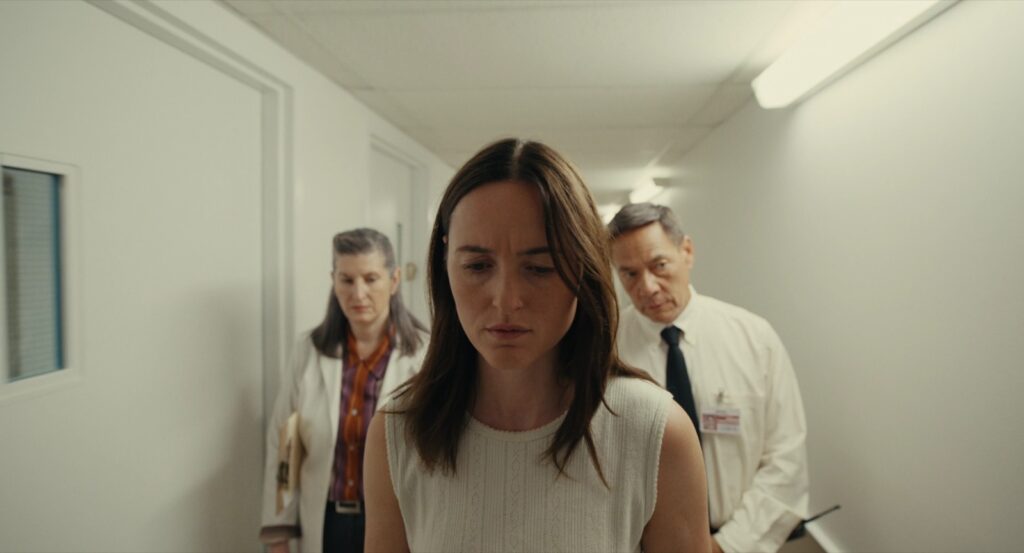
The Backrooms embody one of our most fundamental fears: the possibility of moving through life without actually moving forward. Their endless corridors create the illusion of progress while repeatedly leading nowhere. This mirrors the experience of being trapped in the same habits, circumstances, and patterns despite constantly trying to escape them. The horror is not simply being lost, but realizing that you can keep moving forever and still remain exactly where you are.
OUR SPONSOR OF THE DAY : NEONNIGHT.FR
Conclusion
Ultimately, Backrooms is frightening because its true subject is not an impossible architecture, but the human mind’s ability to construct a refuge from reality. The endless rooms, the distorted spaces, and the creature within them can all be read as manifestations of something deeply familiar: our tendency to escape failure, rewrite the past, protect our identity, seek control, and create meaning when reality becomes too painful to accept.
The Backrooms therefore become more than a parallel universe. They are a metaphor for the psychological spaces we build inside ourselves—places where we can temporarily hide from what we do not want to confront. But the longer we remain there, the more difficult reality becomes to return to.
Perhaps that is what makes the film’s horror so unsettling. The most dangerous escape is not the one that takes us away from reality, but the one that becomes more comfortable than reality itself.


GIPHY App Key not set. Please check settings