
 dudeoi
Why do millions of people around the world dream of owning a house with a garden, a swimming pool, a convertible car, or experiencing an American-style adolescence?
These images did not appear by accident. For nearly a century, Hollywood has exported far more than films: it has exported a way of life. Through its heroes, settings, and stories, American cinema helped turn the American Way of Lifeinto a universal ideal.
Then, in the 2010s, everything changed. Hollywood did not disappear, but it lost its monopoly. Social media became the new engine for manufacturing desire.

A journey through a century of transformation.

OUR SPONSOR OF THE DAY : NEONNIGHT.FR
The Beginnings: When Hollywood Became a Tool of Influence
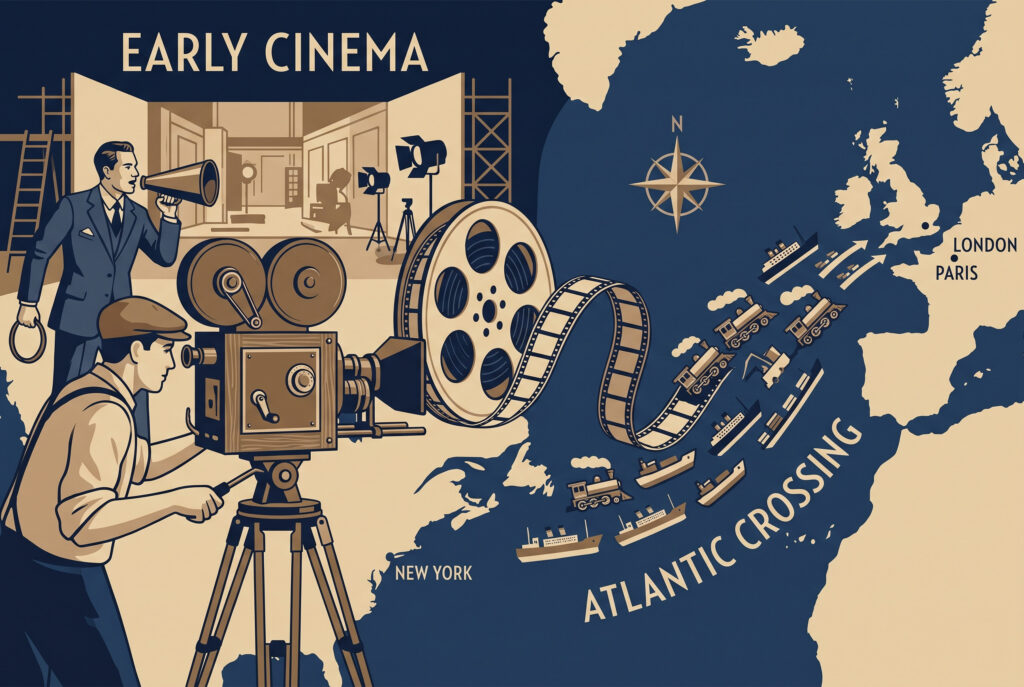
From the very beginning of the First World War, the American government understood the power of cinema.
In 1917, film studios were called upon to produce movies designed to support the war effort and convince a public opinion that was still hesitant.
In return, the industry gained new advantages to export its productions abroad. Hollywood was no longer just an entertainment industry: it began to become a tool of international influence.
The 1930s: A Carefully Controlled Image of America
In 1930, Hollywood adopted the famous Hays Code, a set of rules regulating what could be shown on screen.
Violence, sexuality, and behaviors considered immoral were heavily restricted.
The goal was simple: to create films that could be distributed around the world without causing controversy. Hollywood gradually built an image of America as clean, optimistic, and morally exemplary.
After World War II: Exporting the American Dream
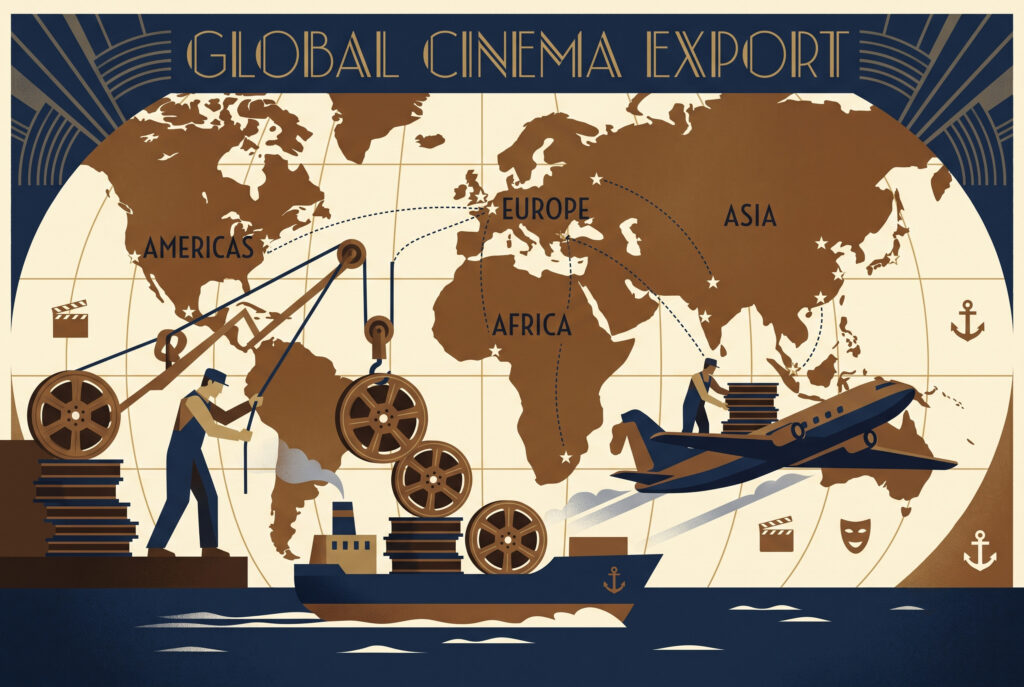
The real acceleration came after 1945.
The United States emerged from the war as the world’s leading superpower. Hollywood then became a powerful tool of cultural influence.
An organization was created to facilitate the export of American films, negotiate with foreign governments, and open even more markets for Hollywood studios.
Cinema became a true instrument of soft power: rather than imposing its influence through force, America attracted others through its stories.
The 1950s: The Birth of the Suburban Dream
The real acceleration came after 1945.
The United States emerged from the war as the world’s leading superpower. Hollywood then became a powerful tool of cultural influence.
An organization was created to facilitate the export of American films, negotiate with foreign governments, and open up even more markets for Hollywood studios.
Cinema became a true instrument of soft power: rather than imposing its influence through force, America won people over through its stories.
The 1950s: The Birth of the Suburban Dream
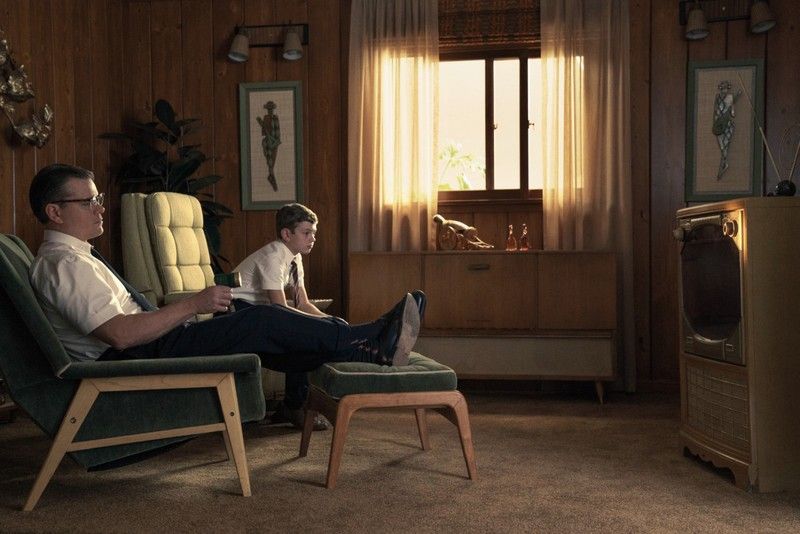
For several decades, Hollywood reigned almost unchallenged.
Its films were distributed around the world and helped establish a shared cultural imagination.
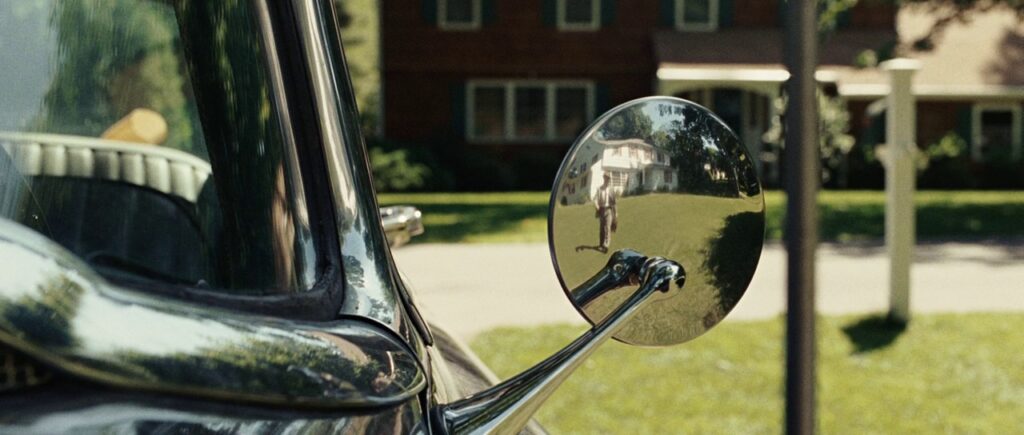
Even when the story was about adventure, science fiction, or romance, the setting often remained the same:
- a large house;
- a close-knit family;
- a new car;
- a peaceful neighborhood;
- a free and carefree youth.
Repeated over and over, these images became cultural references far beyond the United States.
They eventually shaped what many people instinctively associate with success and happiness.
The 1980s: The Peak of the American Dreamin
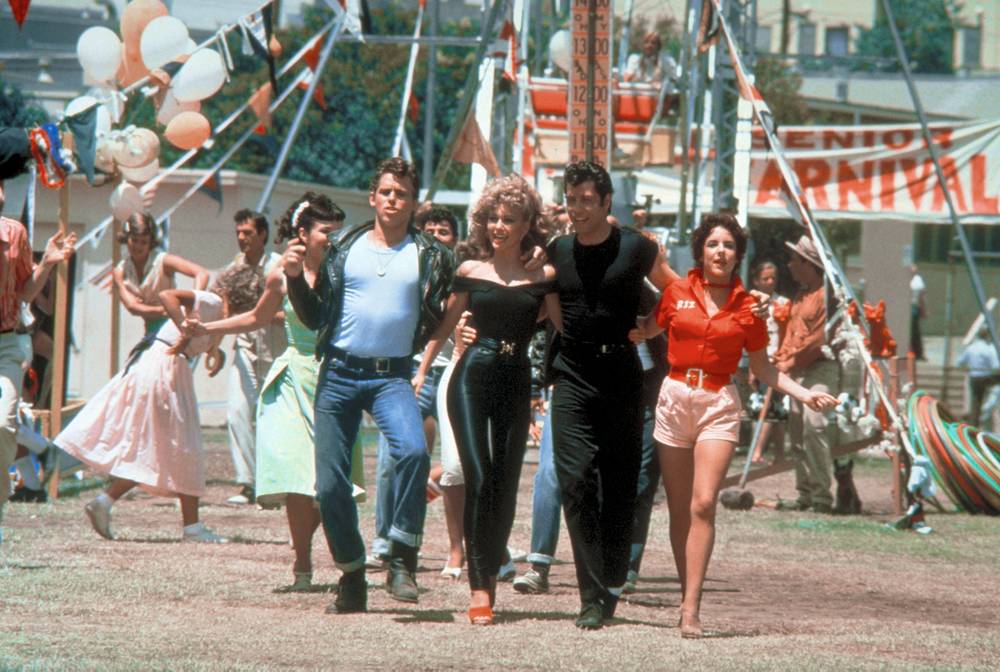
The 1980s were probably the moment when the Hollywood imagination reached its peak.
For several decades, Hollywood had built a very specific vision of happiness: a home, a family, friends, a car, and a free, carefree youth.
In the 1980s, this dream became global.
Films such as Grease (1978), Raiders of the Lost Ark (1981), and E.T. the Extra-Terrestrial (1982) became worldwide successes. Each one represented a different side of the same fantasy:
- an energetic and optimistic American youth;
- a courageous hero capable of achieving anything;
- an ordinary family whose life becomes extraordinary.
The message was never presented as a political statement. That was precisely its strength.
Hollywood did not say: “This is the best social system.”
It simply showed happy characters living within this environment.
The dream became desirable because it appeared natural.
The American suburb becomes a universal setting

Through films and television series, the American suburb gradually became a global reference point.
The setting was immediately recognizable:
- a large house;
- a perfectly maintained lawn;
- a quiet neighborhood;
- teenagers throwing parties;
- parents who appear to have succeeded.
Even people who have never lived in the United States recognize this image.
- The swimming pool became a symbol of freedom.
- The car became a symbol of independence.
- The house became a symbol of achievement.
Hollywood transformed everyday objects into universal symbols of desire.
The 1990s: The Dream Begins to Fall Apart
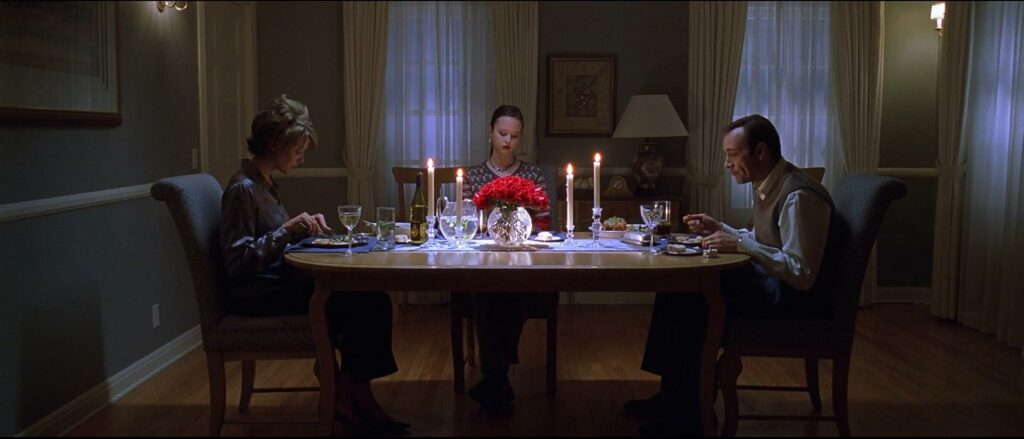
But when an ideal is repeated for long enough, it eventually begins to be questioned.
In the 1990s, Hollywood started to look at its own dream with greater irony.
The perfect suburb sometimes became an unsettling setting.
Films like American Beauty (1999) revealed the other side of the model: behind the flawless houses and seemingly perfect families could exist boredom, frustration, and a feeling of being trapped.
The American Dream was no longer presented only as a destination.
It also became a subject of criticism.
This shift is important: an imagination often begins to lose its power when it becomes familiar enough to be analyzed.
The 2000s: Hollywood Begins to Lose Its Monopoly

The real change did not come from cinema first.
It came from technology.
With the rise of the internet, the creation and distribution of images began to become decentralized.
Before:
- a few studios produced the major stories;
- a few television networks distributed them;
- millions of people shared the same cultural references.
After:
- anyone could create content;
- anyone could build a public image;
- anyone could broadcast their own vision of an ideal life.
YouTube in 2005, Facebook in the mid-2000s, Instagram in 2010, and TikTok in 2016 completely transformed the mechanics of desire.
Hollywood did not disappear.
But it was no longer the only place where dreams were created.
2010–2026: The Algorithm Becomes the New Studio
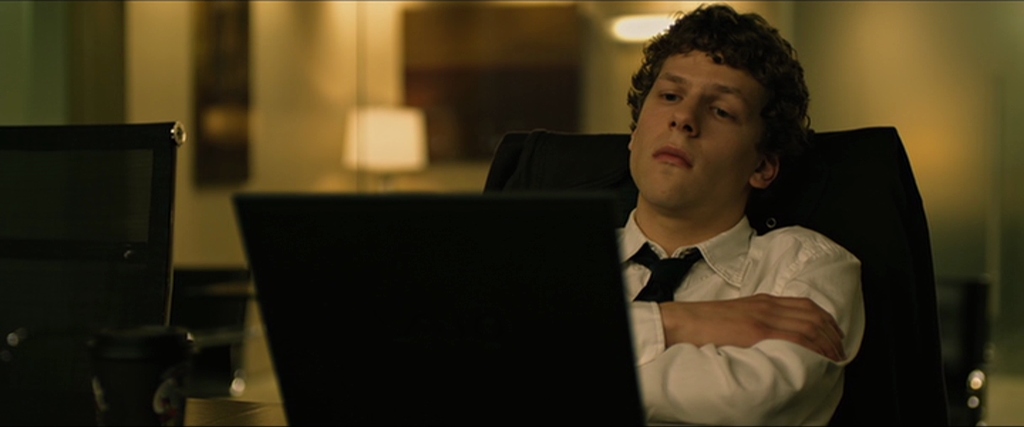
The great transformation of the 21st century is the shift from a collective dream to a personalized dream.
In the past, Hollywood sold a shared vision:
“This is what a successful life looks like.”
Today, social media offers thousands of different versions of happiness:
- becoming an entrepreneur;
- living in Bali;
- traveling alone;
- working from a café;
- having a perfect body;
- building an independent career;
- living a life “without constraints.”
The setting has changed, but the function remains the same.
An ideal image of life is placed in front of us, and it then influences what we desire.
The difference is that there is no longer a single dominant dream.
There are millions of competing dreams.
From Neighbors to Followers: A New Form of Validation
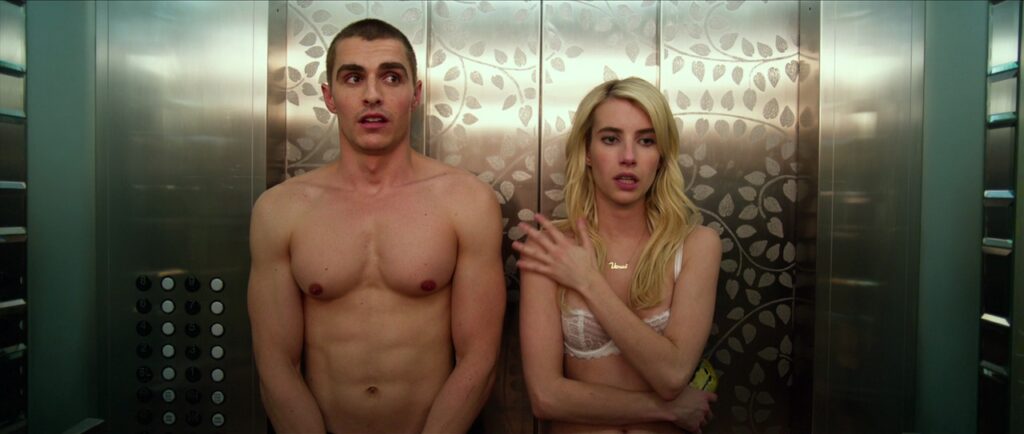
The deepest change may lie in the way success is displayed.
The suburban dream was deeply social.
A beautiful house had value because it was visible:
- neighbors could see it;
- friends came over for dinner;
- family gathered around the pool;
- success was showcased in a shared space.
The digital dream works differently.
Validation no longer comes primarily from the neighborhood.
It comes from an invisible audience.
The neighbor’s gaze is replaced by:
- likes;
- followers;
- views;
- engagement.
Success becomes a metric.
From the American Dream to the Algorithm-Driven Dream

From the Classic American Dream to the Algorithmic Dream
The classic American Dream promised one thing: building a stable and comfortable life.
The digital dream promises something else: building an exceptional and visible life.
The old ideal was collective: a family, a home, a community.
The new ideal is more individual: an identity, an experience, an audience.
One said:
“Look at the life we can build together.”
The other says:
“Look at the unique life I can create.”
What Does Not Change: The Creation of Desire
Despite this transformation, the fundamental mechanism remains surprisingly similar.
Hollywood created images that people wanted to resemble.
Social media does the same thing today.
The difference is that, in the past, a few studios controlled the production of dreams.
Today, everyone can become their own studio.
Every influencer, content creator, and user builds a personal narrative: a life that appears more beautiful, freer, and more exciting than everyday reality.
The setting has changed.
The house with a swimming pool has been replaced by the minimalist loft, the constant journey, or the trendy café in a foreign city.
But the logic remains the same:
an image is created, it becomes desirable, and it eventually shapes the way we imagine a successful life.
A Timeline Summary
| Period | Event | What It Shaped |
|---|---|---|
| 1917-1918 | Creel Committee, state-funded anti-German films | Cinema as a tool of national mobilization |
| 1920s | Webb-Pomerene Act, export organization of studios (MPPDA) | The organized international distribution of American films |
| 1930 | Hays Code | American cinema as a morally “exportable” product |
| 1945 | Creation of the MPEA, nicknamed the “Little State Department” | The institutionalization of cultural diplomacy |
| 1947 | Levittown, MPEA embargo against the United Kingdom | The birth of the suburban ideal + an openly assumed commercial power struggle |
| 1947-1991 | Cultural Cold War | The American Way of Life as an anti-communist argument |
| 1978-1982 | Grease, Raiders of the Lost Ark, E.T. | The peak of the exportation of the collective dream |
| 1995 | 50% of Hollywood’s revenue comes from international markets | Structural proof of the success of cultural export |
| 1999-2010 | American Beauty, suburban gothic | The collective narrative begins to crack from within |
| 2005-2016 | YouTube, Instagram, TikTok | The end of Hollywood’s monopoly over the production and distribution of cultural images |
| 2015-2026 | Lifestyle content, adventure, self-optimization | The ideal becomes hedonistic, individualistic, and distributed |
2026 and Beyond: AI and the Next Evolution of Desire
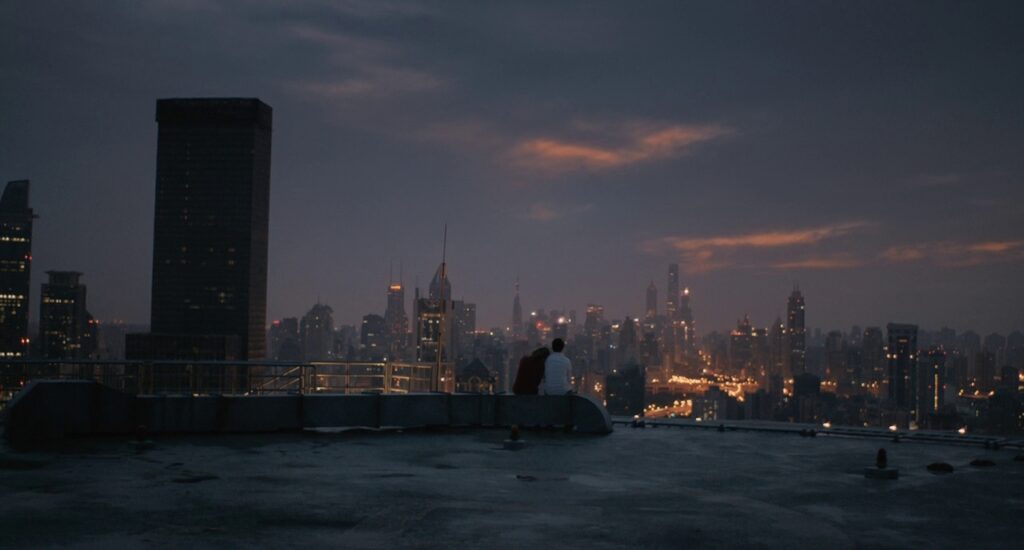
The next transformation is not only about who distributes images.
It is about who creates them.
For a century, producing convincing images required enormous resources. Hollywood needed studios, actors, cameras, and global distribution networks. Social media later allowed individuals to create their own narratives and build personal audiences.
AI changes the equation once again.
Today, a single person can generate cinematic scenes, fashion campaigns, virtual characters, and entire worlds with a simple prompt. The distance between imagination and image becomes smaller than ever.
The evolution is clear:
- Hollywood created dreams for millions of people.
- Social media allowed millions of people to create their own dreams.
- AI allows each person to manufacture almost any dream they can imagine.
The question is no longer only who controls the images that shape our desires.
It is what happens when we can create those images ourselves.
Why Our Dreams Have Changed: A Psychological Evolution
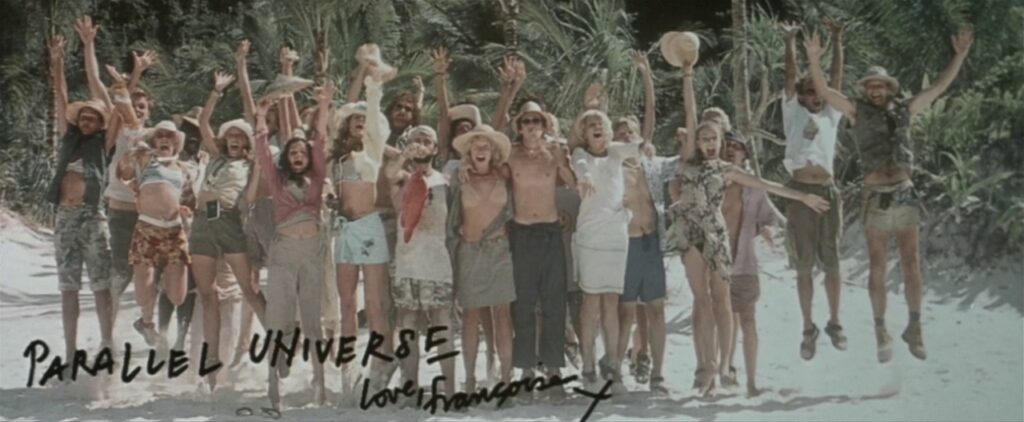
This transformation is not only driven by media or technology.
It also reflects a deeper shift in the way individuals construct their identity.
For a long time, the dominant dream was one of belonging.
The house, the family, the neighborhood, and stability represented a form of success because they provided a clear place within society.
The message was: “I have succeeded because I have built a stable life that is recognized by others.”
Happiness was therefore deeply collective. A beautiful house had value because it was visible to a community: neighbors, friends, and family.
But gradually, the definition of success began to change.
In modern societies, individuals seek not only to belong to a group, but also to express a personal identity.
The question becomes: “What kind of life reflects the person I want to become?”
Success is no longer defined only by what we own, but by what we represent.
A journey, a lifestyle, an independent career, or a unique experience can become new symbols of achievement.
The goal is no longer simply to have a good life.
It is to have a life that tells a story about who we are.
This evolution also creates a new need: the need to be visible.
As traditional structures lose some of their influence — local communities, neighborhoods, institutions — individuals increasingly have to build and confirm their own identity.
The neighbor’s gaze is replaced by the gaze of an audience.
Success is no longer only experienced.
It is displayed.
This is why social media connected so strongly with a deep psychological need: to be recognized, validated, and noticed.
The contemporary dream therefore responds to a new fear: the fear of living an ordinary and invisible life.
The old dream promised: “Build a stable life.”
The modern dream promises: “Build an exceptional life.”
This is why today’s dominant images are those of freedom, travel, creativity, and self-optimization.
They do not only sell a lifestyle.
They sell a transformation of identity.
The arrival of artificial intelligence represents the next step.
After learning to stage our lives, we can now begin to create images that perfectly match our desires.
The evolution becomes:
Yesterday: I seek to achieve an existing ideal.
Today: I construct the image of my ideal.
Tomorrow: I may be able to directly generate the world that matches my imagination.
The fundamental change is therefore not only technological.
It concerns our relationship with desire itself.
The Characters We Become: How Fiction Shapes Identity
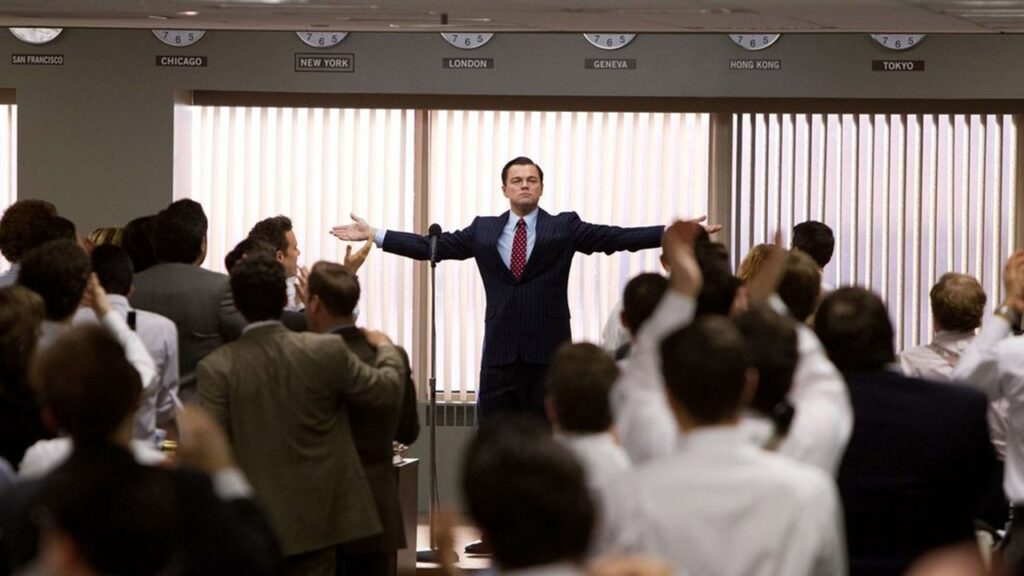
Cinema does not only show stories. It gives us models of who we could become.
People rarely think, “I want to be like this character,” but the influence happens unconsciously. Characters shape our ideas of confidence, success, beauty, romance, and freedom.
A character is more than a person on screen. They represent a lifestyle, a way of speaking, dressing, and moving through the world.
Over time, these images become references for our own identity.
Hollywood did not only sell houses, cars, and lifestyles.
It sold possible versions of ourselves.
Depth for Range: What We Actually Traded
What was probably real about the old bond

Proximity forces friction, and friction is often what makes a bond durable. You didn’t choose your neighbors, your circle of childhood friends, the people at the barbecue — you were stuck with them, and that stuckness is exactly what built depth over time. You couldn’t optimize them away when they became inconvenient. There’s a decent case that consistent presence, even unchosen, produces more actual attachment than curated connection ever will, because it survives boredom and conflict instead of avoiding them.
What’s probably real about the new mobility
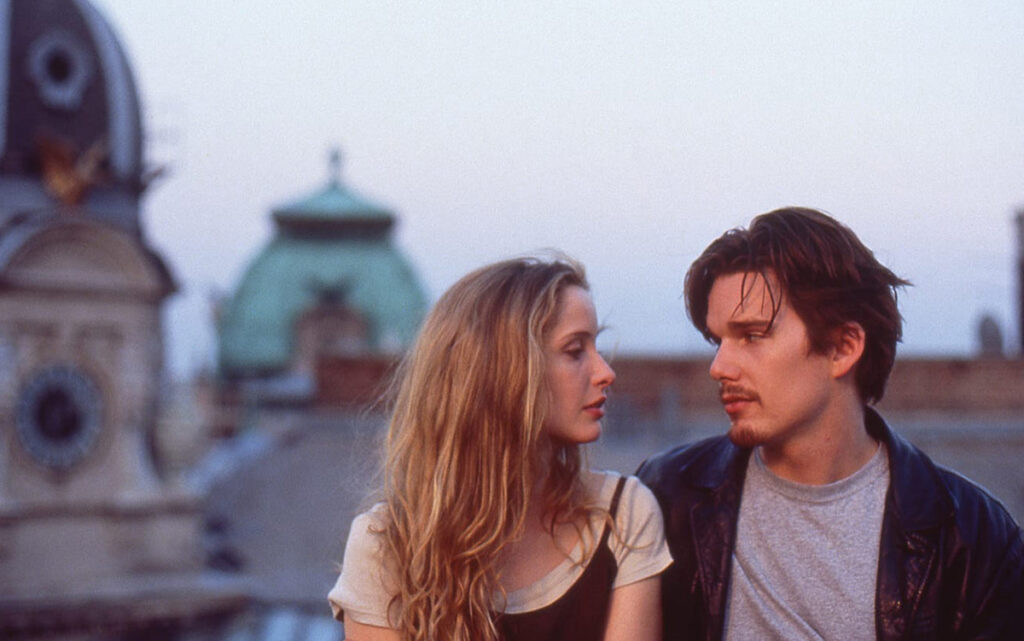
At the same time, the old model traded that depth for a massive constraint: you met almost nobody who wasn’t already inside your given radius. If you didn’t fit the mold of your neighborhood, your fate was mostly to perform belonging you didn’t feel — which is its own kind of unhappiness, just quieter and less visible historically. The capacity to actually go find people who match your specific interior — rather than accept whoever geography assigned you — is a real expansion of possibility, not a fake one.
The trade isn’t happiness for happiness : it’s depth for range

So it’s less “before was better” or “now is better” and more: the old system optimized for depth at the cost of range, the new one optimizes for range at the cost of depth. Neither is a strictly happier equilibrium — they’re just different distributions of the same scarce thing, which is attention and commitment over time. You can have five real deep bonds you never chose, or fifty shallow ones you did choose, and very few people manage the version that has both, because both take a kind of investment that the current tools don’t reward — the algorithm rewards novelty, not duration.
The part that’s genuinely new, not just redistributed
What might actually be new, rather than a trade-off, is the constant awareness of alternatives. Before, you didn’t spend your energy wondering if there was a better circle of friends somewhere else — you couldn’t see it, so it wasn’t a live option. Now the option is always visible, which means even a good bond gets quietly measured against an infinite hypothetical. That comparison itself — not the mobility, not the choice — might be the actual tax on happiness in the new model.
OUR SPONSOR OF THE DAY : NEONNIGHT.FR
Conclusion: A Century of Dream Manufacturing
“People don’t know what they want until you show it to them.” — Steve Jobs
For a century, Hollywood was the world’s great machine for producing desire.
It transformed ordinary objects — a house, a car, a family — into universal symbols of happiness.
Today, this machine has not disappeared.
It has simply fragmented.
- The single studio has become a multitude of creators.
- The film has become a constant stream of images.
- The spectator has become the actor in their own self-presentation.
- The American Dream has not disappeared.
It has changed its form.
Yesterday, it looked like a house with a swimming pool.
Today, it may look like a free life displayed on a screen.
But in both cases, the same question remains:
Who creates the images that teach us what we should desire?


GIPHY App Key not set. Please check settings