
 dudeoi
Every great journey begins with someone who already carries a belief about themselves.
Before the storms, the monsters, and the years spent lost at sea, Odysseus is not an unfinished person waiting to discover who he is. He is already the result of years of experience. He is a king, a husband, a father, a warrior, and a strategist whose intelligence helped end the Trojan War. The person who leaves Troy is not merely someone with a title. He is someone who has been shaped by conflict, responsibility, and difficult choices.
The Trojan War is not just an achievement attached to his name. It is part of the process that created him.

Through war, Odysseus learned patience, deception, leadership, and survival. The famous strategy of the Trojan Horse is not simply a clever trick; it represents his particular way of moving through the world. He does not overcome obstacles through strength alone. He observes, adapts, waits, and understands human nature.
The world recognizes these qualities because they have already been tested.
His kingdom confirms who he is. His reputation confirms who he is. But those things are not the foundation of his identity. They are evidence of something deeper that has already been built through experience.
The Odyssey begins with a different kind of question.
Not: Who is Odysseus?
The world already knows the answer.
The question is: Can the identity forged in war survive a world where every symbol of that identity is taken away?
Because the journey home will test him in a completely different way.
- The battlefield of Troy tested his ability to defeat others.
- The journey home will test his ability to endure himself.

OUR SPONSOR OF THE DAY : NEONNIGHT.FR
The Loss of Everything That Defined Him
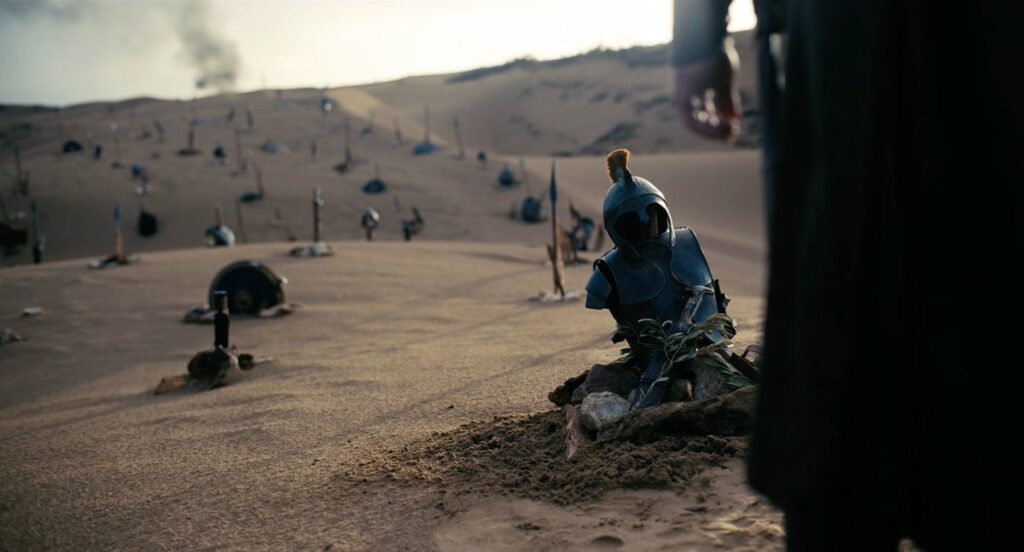
The tragedy of Odysseus is not that he loses his way.
It is that the journey forces him to lose everything that once made him recognizable.
For ten years after the Trojan War, Odysseus travels through a world where human power means very little. His intelligence cannot control every situation. His strength cannot defeat every obstacle. His status as a king has no value among strangers and gods.
- The sea does not care that he is a ruler.
- The storms do not care that he is admired.
- The monsters do not care about his reputation.
- The journey places him in situations where all external markers of importance become meaningless.
This is what makes the Odyssey such a profound story about identity. Odysseus is not tested when he is sitting on a throne surrounded by people who already believe in him. He is tested when nobody knows his name.
- A person can believe they are brave when they have never faced fear.
- A person can believe they are capable when they have never truly failed.
- A person can believe they know themselves when nothing has ever forced them to question that belief.
Reality has a unique ability to separate what we imagine ourselves to be from what we actually are.
The journey does not destroy Odysseus : It reveals him.
The World Built on Appearances
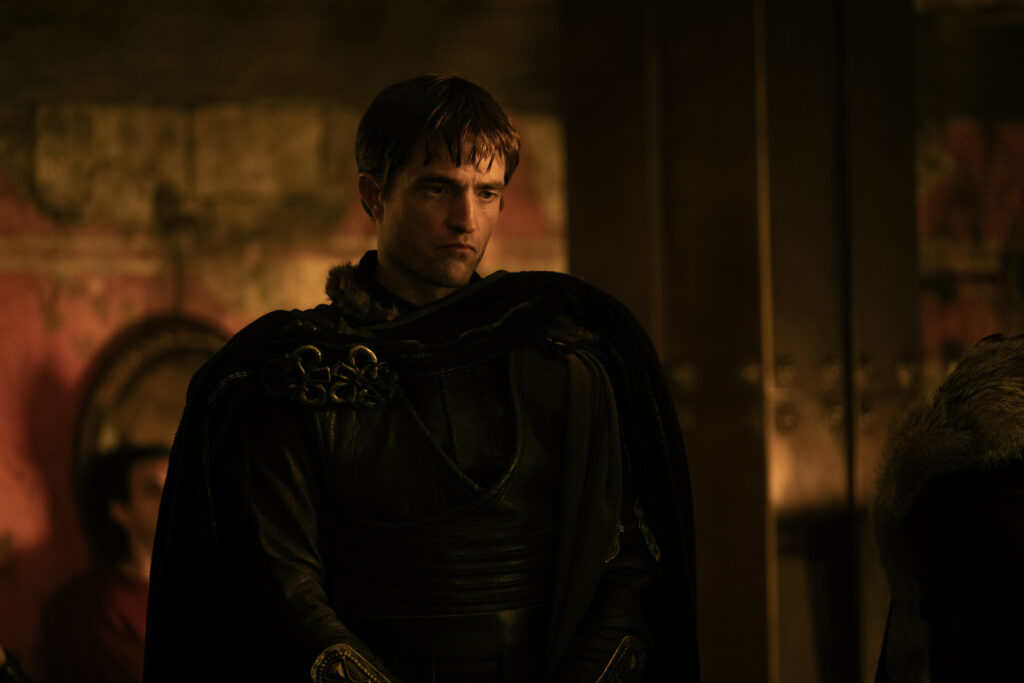
While Odysseus is being transformed by hardship, another world is developing inside his own home.
The suitors who occupy Ithaca represent the opposite path.
They do not build identity through experiences, responsibility or courage. They build identity through appearances.
They sit in Odysseus’ palace. They consume his wealth. They surround themselves with the symbols of power. They behave like rulers because they are physically occupying the place where a ruler belongs.
Over time, they begin to believe that the position itself has made them worthy of it.
This is one of the most timeless ideas in the Odyssey.
Human beings are deeply influenced by symbols. A uniform can represent authority. A title can represent expertise. A reputation can represent achievement. These symbols matter because they communicate something real.
But symbols only have meaning because they point toward something underneath.
The danger begins when the symbol replaces the substance.
- The suitors have the palace, but they do not have the qualities that made the palace meaningful.
- They have access to power, but not the discipline required to carry power.
- They want the rewards of Odysseus’ identity without experiencing the journey that created it.
- They confuse occupying a place with earning the right to stand there.
The Suitors and the Illusion of Power
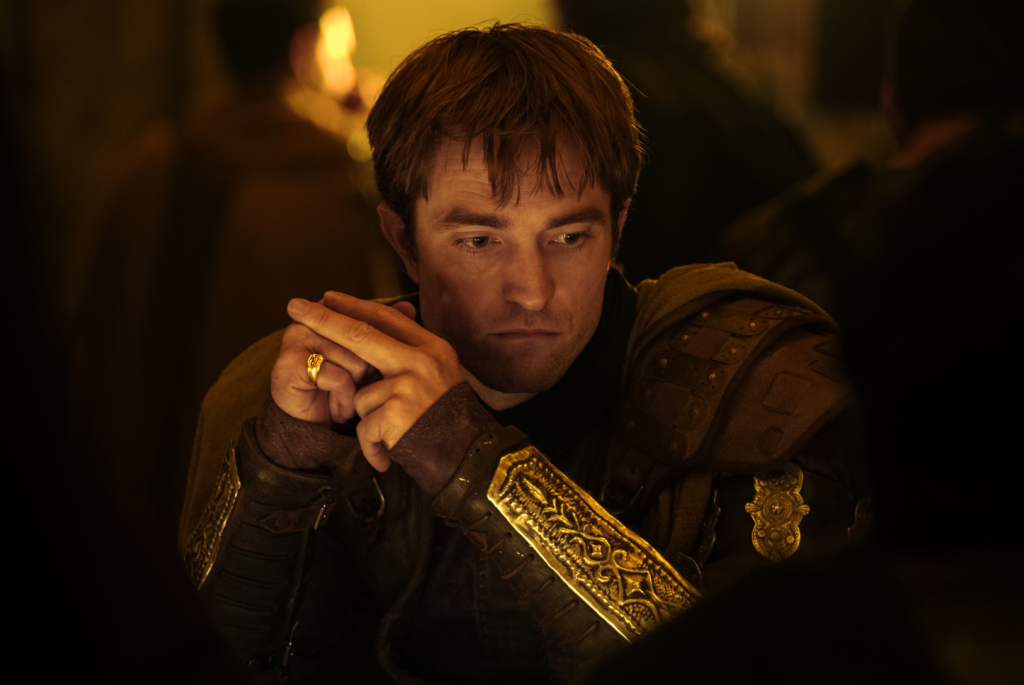
What makes the suitors interesting is that they are not simply arrogant.
They are trapped inside their own reflection.
They live in an environment where nobody challenges their assumptions. Every day reinforces the same story: they belong here, they are entitled to this, their claim is natural.
A person can become very confident inside an environment that never disagrees with them.
This is the comfort of illusion.
An untested belief can remain perfect forever because nothing has ever forced it to change.
The suitors have never truly entered the arena or journey. They have never faced the kind of challenge that could reveal whether their image of themselves corresponds with reality.
They have confidence, but it is confidence protected from contact.
Odysseus has something different.
His confidence has been exposed to storms, loss, uncertainty, and failure.
The difference between them is not that one believes in himself and the other does not.
Both believe.
The difference is that one belief has survived reality.
The Stranger Who Was Still a King
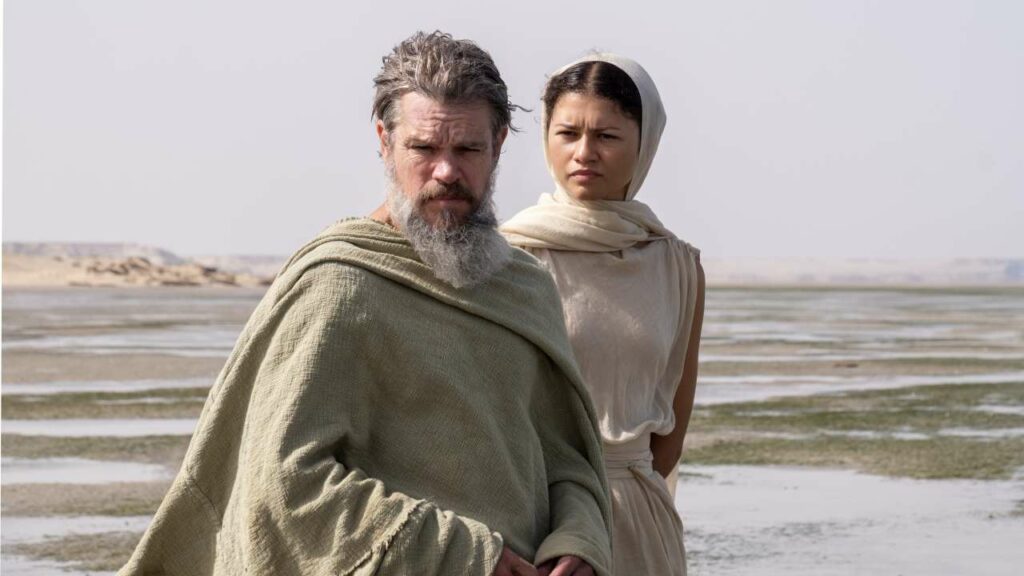
Perhaps the most powerful moment in the Odyssey is not Odysseus defeating his enemies.
It is the moment before that, when he returns home disguised as a beggar.
This decision reveals everything about the difference between genuine identity and performed identity.
A person who depends on recognition needs to be seen.
They need others to acknowledge the image they have created.
But Odysseus does not need immediate recognition.
- He can wait.
- He can observe.
- He can remain unknown.
The disguise removes everything that once announced his importance. Nobody sees a king. Nobody sees a legendary warrior. Nobody sees the hero of Troy.
They see only an old stranger.
And yet Odysseus remains Odysseus.
This is the ultimate test of identity.
If everything visible disappears, what remains?
If the title disappears, does the person disappear with it?
If nobody recognizes your value, does your value still exist?
The Odyssey suggests that true identity is not the thing others see first.
It is the thing that remains when they no longer see anything.
The Moment Reality Answers
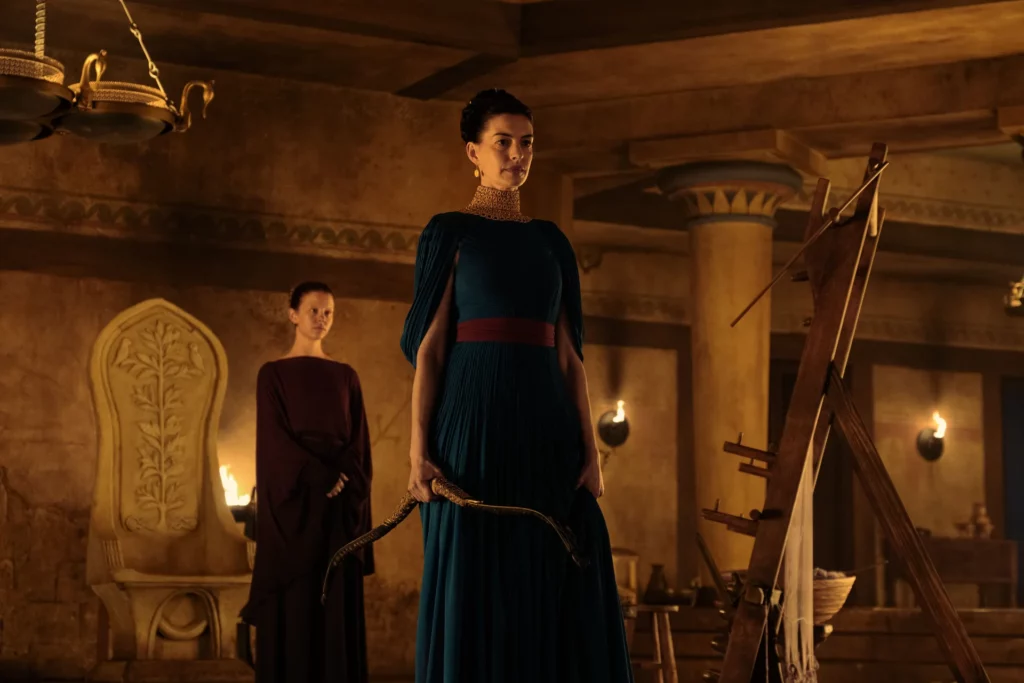
The bow contest is the moment where illusion finally meets reality.
For years, the suitors have lived inside a story where they are the rightful successors to Odysseus.
- They have status.
- They have confidence.
- They have social power.
But the bow does not respond to any of these things.
- It does not care about their opinions.
- It does not care about their reputation.
- It does not care about the story they have created around themselves.
- It responds only to ability.
This is why the contest is so meaningful. It is not simply a demonstration of physical strength. It is reality itself interrupting a fantasy.
The suitors believed that claiming the role was enough.
Odysseus proves that the role belongs to the person who can carry it.
The journey gave him something they never had : Evidence.
The Weight of an Earned Identity
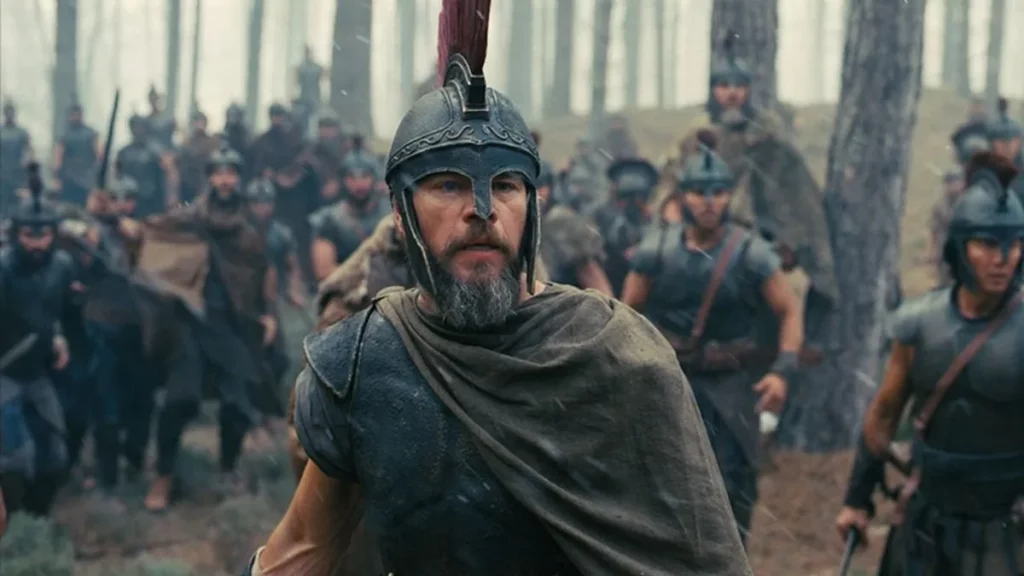
The difference between Odysseus and the suitors is not simply that one is good and the other is bad.
The deeper difference is how they relate to themselves.
The suitors begin with an identity and try to convince the world it is true.
Odysseus begins with an identity, loses it completely, and discovers whether it survives without external support.
One is built from appearance.
The other is built from experience.
This is why the Odyssey continues to resonate. Every person faces the same tension.
There is the person we imagine ourselves to be.
And there is the person we become through contact with reality.
The first is necessary.
Without imagination, nobody would attempt anything difficult. Every achievement begins as a possibility before it becomes a reality.
But possibility alone is not enough.
Eventually, every person must leave the safety of imagination and allow the world to respond.
- The artist must show the work.
- The creator must release the project.
- The entrepreneur must face the market.
- The individual must accept being tested.
Not because reality exists to punish us.
Because reality is the only thing capable of transforming potential into truth.
The Self That Survives the Journey
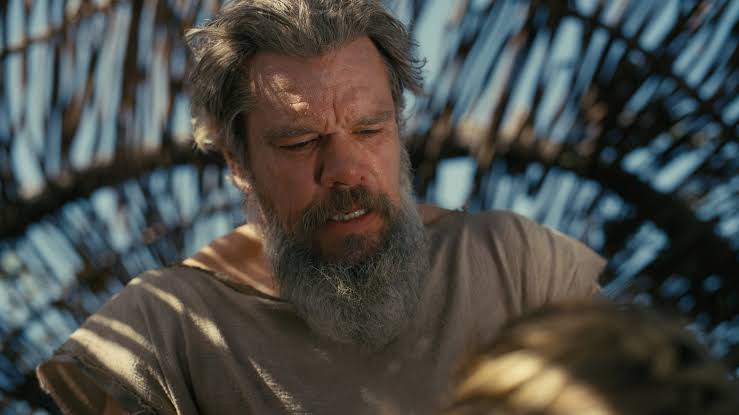
The deepest lesson of the Odyssey is that Odysseus does not return home simply to reclaim what he lost.
He returns as someone who has been changed by the process of losing it.
- The palace does not make him a king.
- The crown does not create his legitimacy.
- The recognition of others does not determine his worth.
These things are symbols. They matter, but only because they point toward something deeper.
What makes Odysseus who he is are the years when those symbols disappeared.
- The storms.
- The failures.
- The moments when nobody was watching.
- The moments when he had nothing except his ability to continue.
- The journey did not give him an identity.
- The journey proved one.
- This is why the Odyssey remains one of the greatest stories ever told.
It understands that becoming yourself is not a process of inventing a perfect image and protecting it forever.
It is a process of allowing that image to be challenged until only what is real remains.
We all begin with a story about who we are or we might become.
Then life tests that story.
And if we are willing to enter the arena, the person we imagined slowly becomes the person we are.
OUR SPONSOR OF THE DAY : NEONNIGHT.FR
Conclusion
The decision to leave the safety of what is known is always dangerous because the journey does not simply test who we are; it changes us. Every real adventure carries the possibility of failure, disappointment, and even the loss of the identity we had carefully constructed for ourselves. This is why so many people remain attached to imagined versions of themselves. A possibility that has never been tested can remain perfect forever. As long as the person never enters the arena, they can continue believing they are capable, talented, or destined for something greater without ever having to confront uncertainty.
But confidence built on possibility alone is fragile. It depends on protecting a belief rather than developing a truth. Real confidence is built differently. It comes from accumulated evidence: the skills learned through difficulty, the failures survived, the problems solved, and the moments where reality challenged us and we adapted. It is not the confidence of someone who believes they cannot fail; it is the confidence of someone who knows they can face failure and continue.
This is the hidden gift of the journey. It may take away the comforting illusion of who we hoped we were, but in return it gives us something far more valuable: knowledge of who we actually are. Odysseus does not return home confident because he has convinced himself he is powerful. He returns confident because life has repeatedly tested him, taken away everything superficial, and proven what remains. The journey breaks the imagined self so that a stronger one can be built in its place.


GIPHY App Key not set. Please check settings