
 dudeoi
The Village is the fourth major feature film by M. Night Shyamalan, the director known for story twists in The Sixth Sense, Unbreakable, and Signs. Released in 2004, it explores a seemingly timeless rural community where fear, ritual, and carefully maintained boundaries shape daily life.
The film reflects Shyamalan’s fascination with perception, belief, and the hidden truths beneath ordinary appearances, inviting viewers to question what is real and what is constructed.

OUR SPONSOR OF THE DAY : NEONNIGHT.FR

The plot
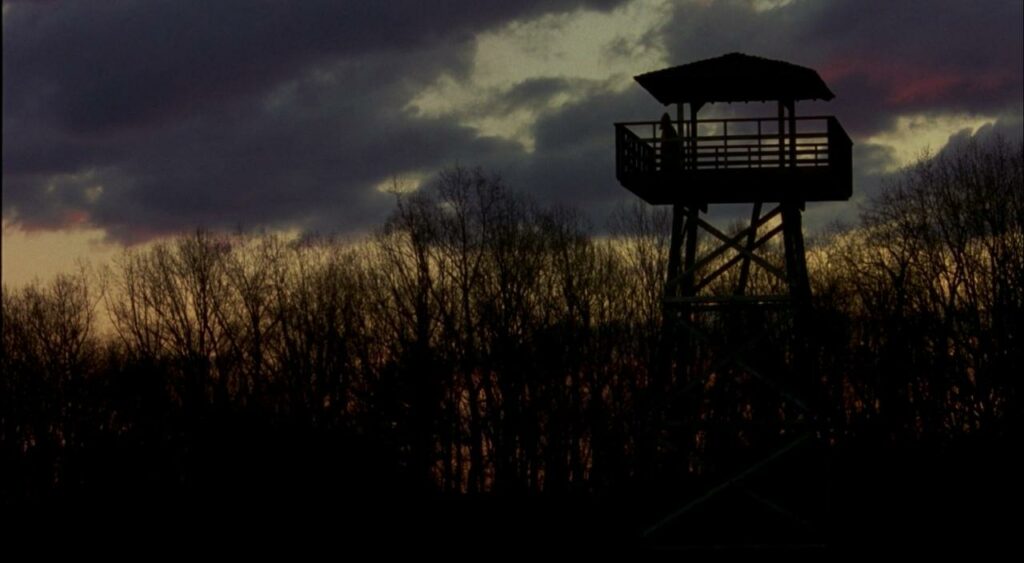
The Village centers on a small, isolated community in rural Pennsylvania whose residents live in fear of mysterious creatures said to inhabit the surrounding woods.
The villagers obey strict rules to protect themselves from these threats, but when danger strikes and medical help is needed, some members are forced to confront the possibility of leaving the protected settlement and venturing into the unknown.
The themes (spoilers ahead)
1. Fear as a tool of containment and social peace
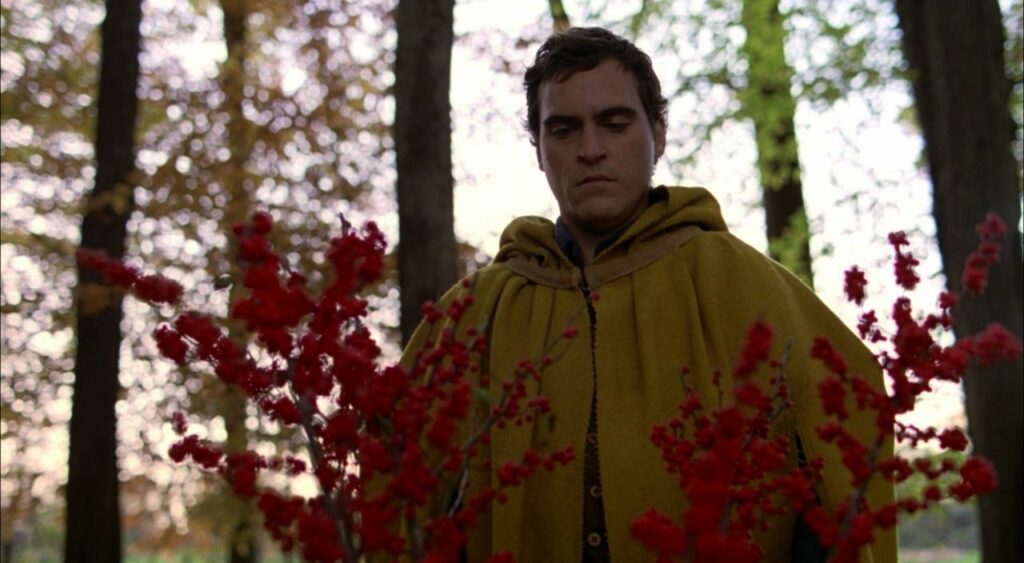
The village is not held together by truth, but by a careful balance of manufactured fear and real virtues. Fear enforces the boundaries, but community, simplicity, and the absence of greed make the structure feel worth preserving.
While the promise of peace, community, and shared values makes the village feel like a true home, fear guides people to stay within the boundaries — encouraging caution and reliance. The “monsters” aren’t just external threats; they are stories carefully woven to encourage respect for limits and preserve the safety of the community.
2. Innocence vs Brutal truth
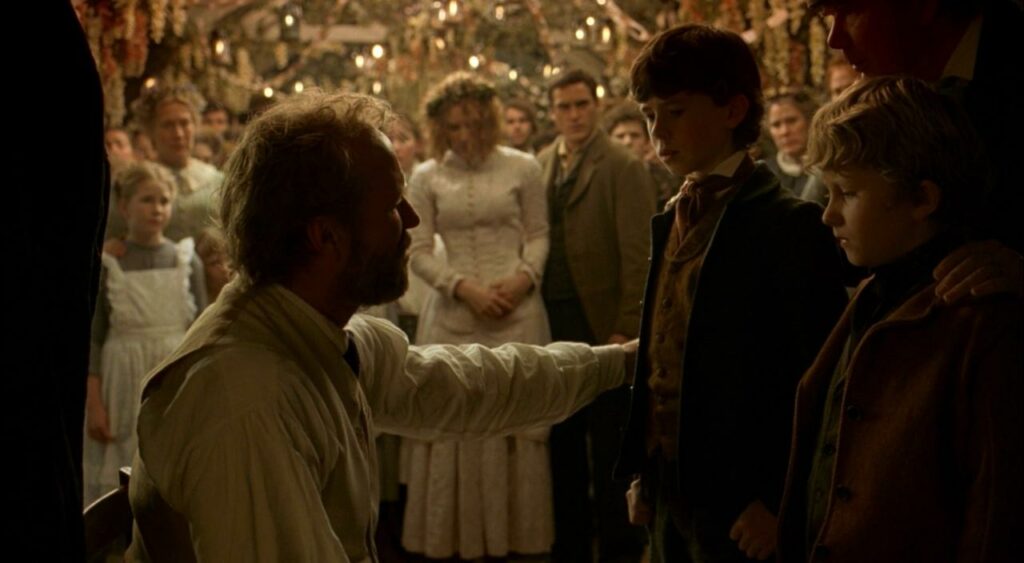
The elders choose safety over harsh truth — not from malice, but out of faith in the value of innocence. They see peace as fragile, and believe that preserving it sometimes requires shielding others from reality. Stability is maintained through sacrifice: not of life, but of knowledge.
This is why societies often reveal only partial truths to their populations, keeping some realities hidden. Such concealment may be understandable, even structurally necessary to preserve order and innocence, but it is never without cost.
3. Isolation and denial preserves illusion and comfort
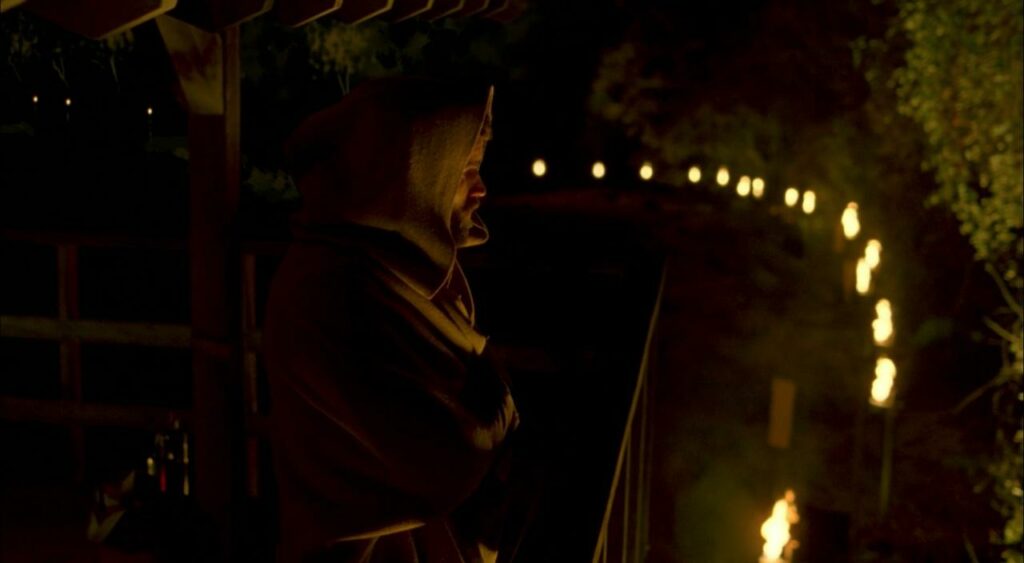
By cutting the village off from the outside world, greed is removed and societal decay is kept at bay. Comparison disappears, alternatives vanish, and the temptation to accumulate or compete fades.
But the same isolation halts evolution. Science, medicine, and progress are frozen in time. Dissent doesn’t need to be crushed — it becomes unthinkable. People don’t rebel because they cannot imagine, let alone experience, another way to live.
4. Inherited structure (freedom) and constraints
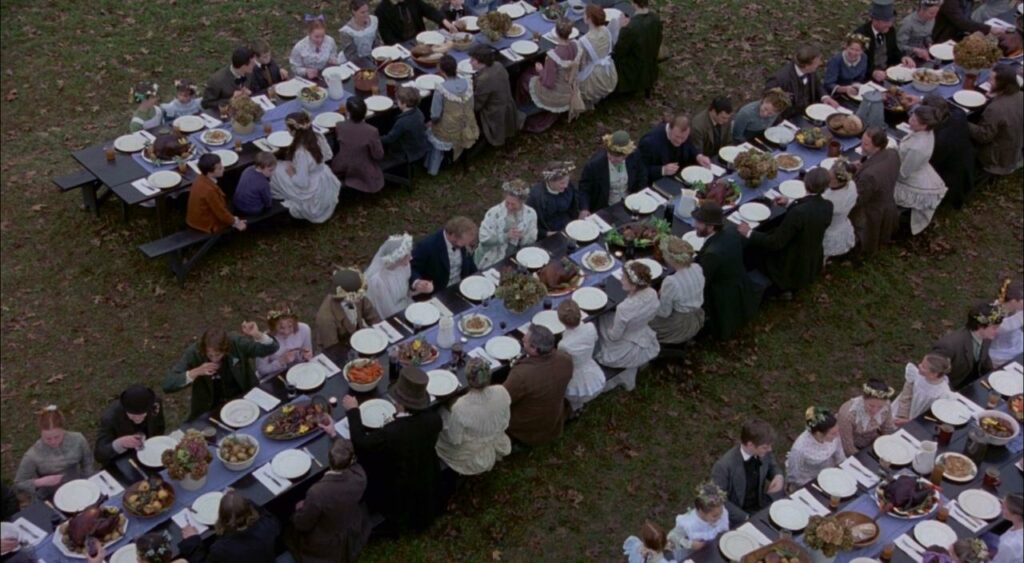
The founding elders made a conscious choice. The generations that followed did not — they inherited the rules, unquestioned, along with the safety, stability, and sense of community those rules provide.
This distinction matters. Guidance is most effective when it operates as a healthy structure rather than as raw force. Rules and traditions provide continuity, peace, and wisdom — the scaffolding that makes choice, creativity, and freedom possible. Without such a framework, freedom can quickly become chaotic or fragile; with it, individuals can exercise their will fully, safely, and meaningfully, knowing the boundaries that protect both themselves and the community.
5. Moral ambiguity of the founders
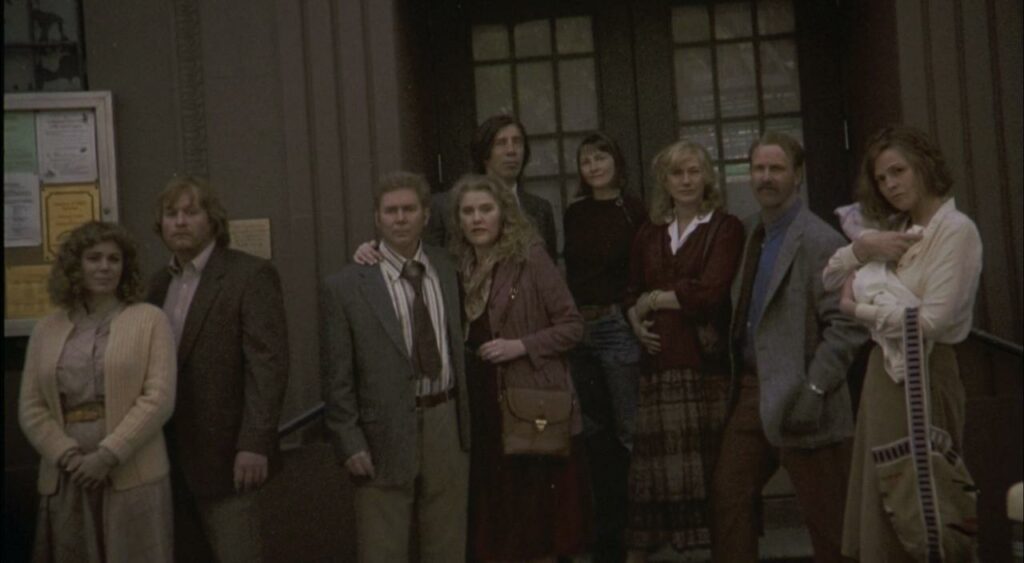
The elders are neither villains nor heroes. One could even argue that they act with genuine wisdom and good faith. At the same time, they are shaped by trauma, governed by fear, and deeply convinced that their choices are righteous.
This is what makes the story unsettling: the elders may not see themselves as oppressive. They believe they are protecting people, which is partially true — even as it quietly confines them and remove their sense of autonomy.
6. The cost of protection
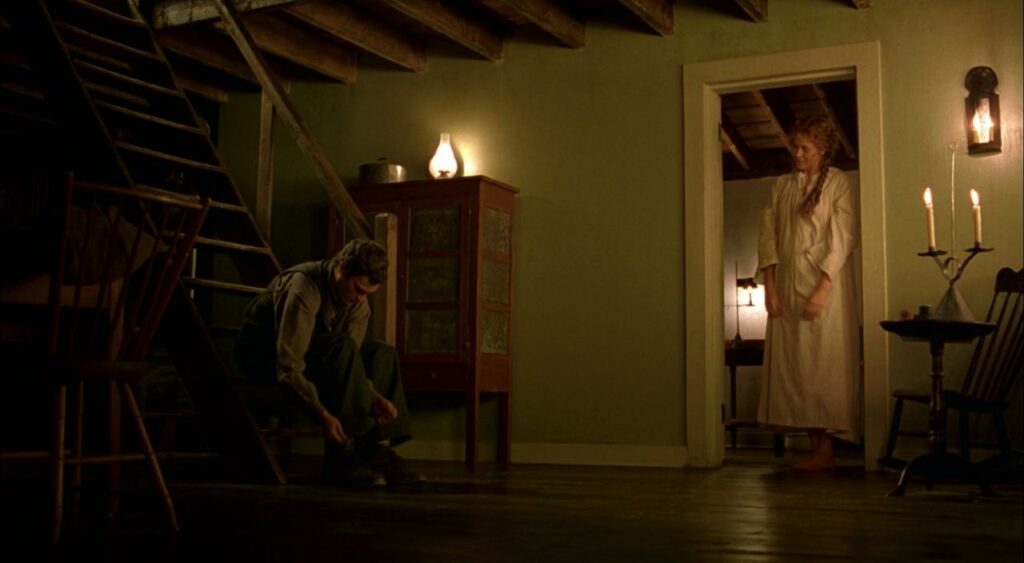
The village is peaceful, protected from chaos yet stagnant. Safe, yet closed. Harmonious, yet partly illusion — true in its care and community, false in its denial of human duality. Perhaps society is not solely to blame; human nature itself is reflected in jealousy and fear, as seen in Noah’s struggles.
The price of protection is a life lived in self-denial, a surrender of reality — and with it, freedom, authorship, and growth.
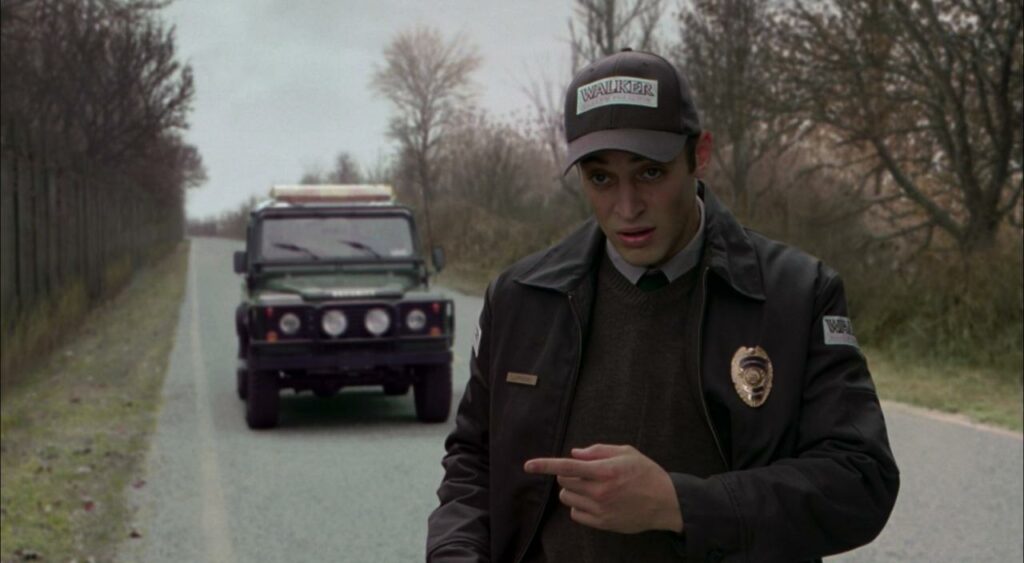
As the film reveals, the world beyond the walls has continued to evolve for decades since the village was founded. What the audience expects to be a medieval society is instead thoroughly modern, complete with advanced medicine, refrigerators, and four-wheel-drive vehicles.
7. Courage and morality as internal compass
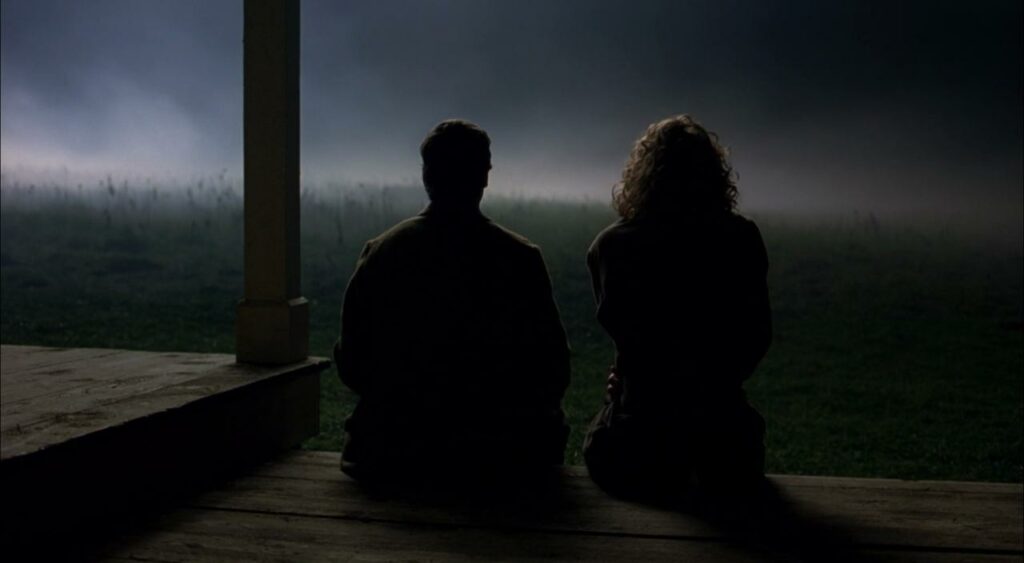
Lucius and Ivy share traits that drive them to step beyond the village: courage, the ability to face fear, and a moral compass that prioritizes the well-being of others.
These qualities are essential not just for individuals, but for any civilization to endure and flourish, even amid an uncertain and dangerous world.
Even the elders cannot fault them for their strength, nor can they easily pass these qualities on as defaults. Such traits cannot be engineered or enforced, because humans are born with an innate moral compass — the very force that prevents societies from collapsing into decay.
A Few Words on Worlds Built on Safety
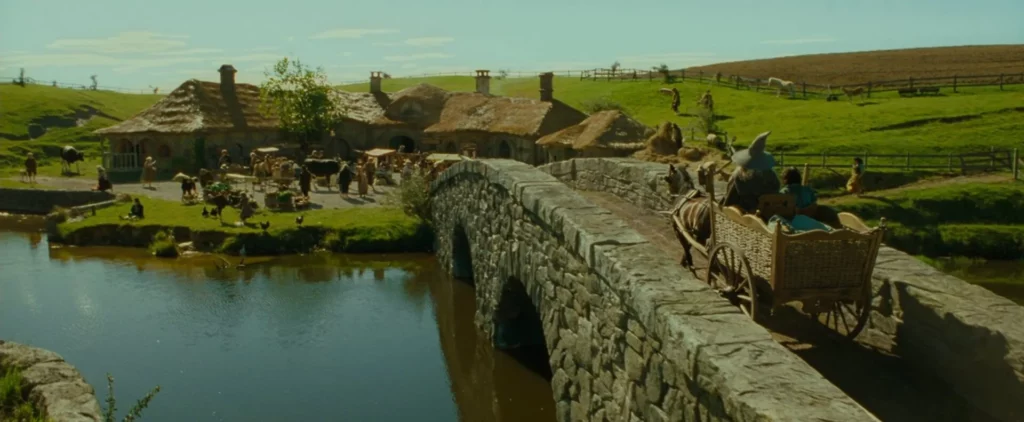
These themes are far from accidental. Worlds built on the illusion of safety recur across storytelling. In The Lord of the Rings, the Shire appears peaceful, self-contained, and untouched by the turmoil of the wider world. Yet this calm is not natural; it is quietly maintained by unseen forces. Rangers guard its borders, absorbing danger so the hobbits can remain unaware.
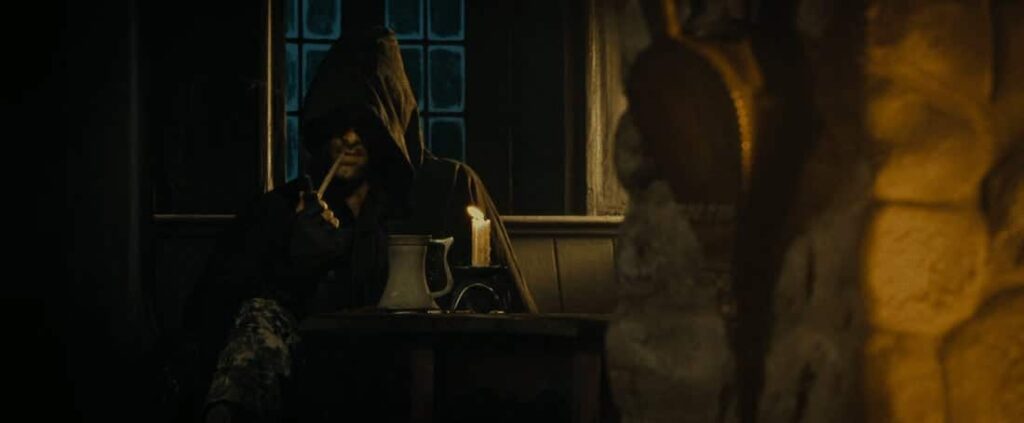
Eventually, Frodo must leave this sheltered world and face a perilous journey — not for his own ambition, but to preserve the very innocence of the Shire. His departure reveals an uncomfortable truth: safety is rarely free. It is often sustained through vigilance, sacrifice, and the quiet surrender of freedom.
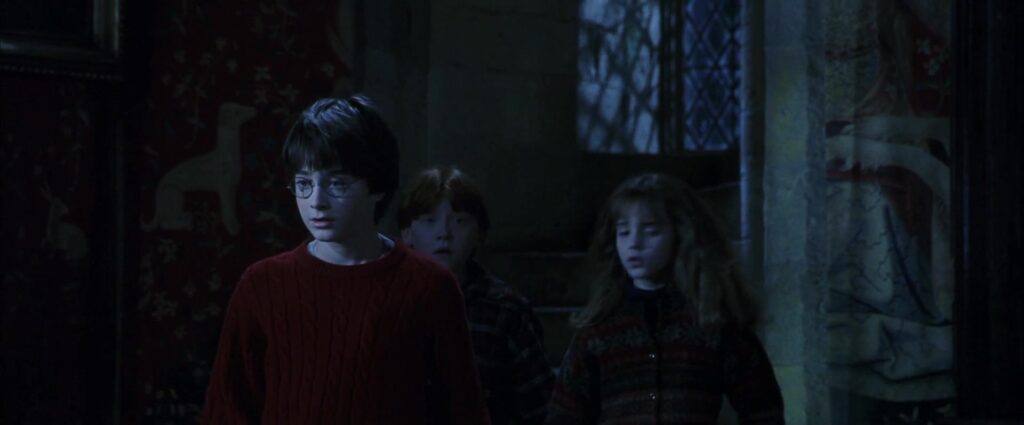
Harry Potter and his friends, for instance, constantly break rules, sneaking through the castle at night in pursuit of truth. Their disobedience is not reckless; it serves a deeper purpose. In any world, order naturally drifts toward decay, and truth must be continually sought and reclaimed to restore balance (sometimes through art and films).
Stories like these expose a deeper pattern. Civilizations — fictional or real — can shield individuals from harm while simultaneously shaping, constraining, and limiting their lives. The illusion of safety is comforting, but it narrows experience and postpones confrontation with reality. In protecting people from fear, it also distances them from agency, responsibility, and the full weight of existence, inviting control and exploitation.
The Allure of Safety
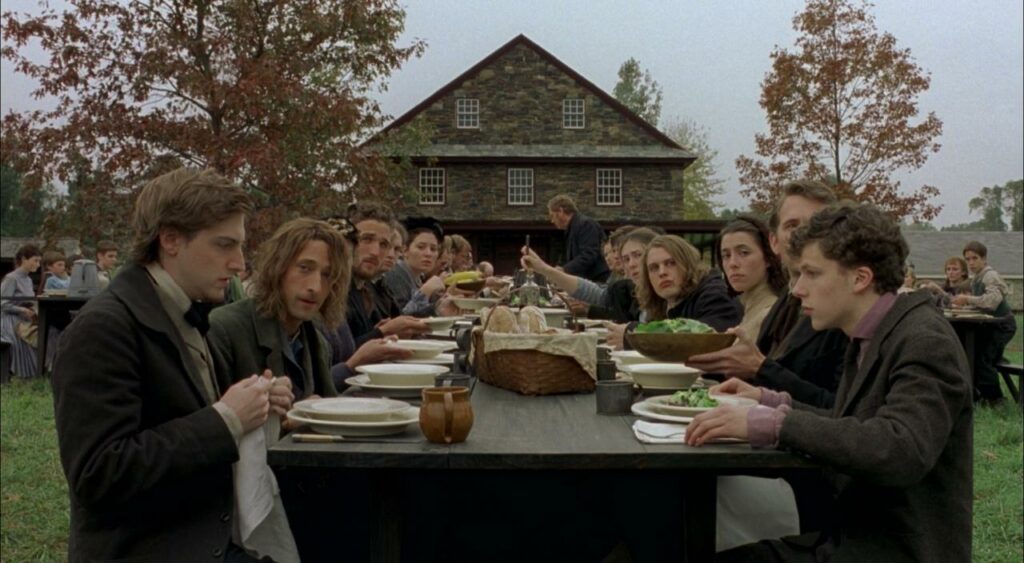
The village is a kind of constructed Eden. Its inhabitants live peacefully, morally, and seemingly happily, yet their world is carefully designed — bounded by rules, sustained by fear, and insulated from the complexities of reality. Their happiness and virtue are real in effect, but fragile, dependent on the system that shelters them from choice, risk, and the full spectrum of life.
Living in a shielded world sounds appealing because it promises comfort, safety, and predictability — things we naturally crave. The idea is seductive: if danger is removed and choices are limited, life feels easier, calmer, and less stressful.
A few reasons it seems ideal:
- Protection from harm – physical, emotional, and moral threats are minimized or eliminated.
- Simplicity – rules are clear, life is structured, and decisions are reduced to safe, manageable options.
- Security and comfort – fear, uncertainty, and risk are outsourced to the system or authority.
- Moral innocence – one can live feeling “good” without confronting ethical complexity or ambiguity.
In short, a shielded world trades engagement and agency for safety and ease, which feels immediately attractive because human nature seeks stability and relief from suffering.
The Price of Innocence
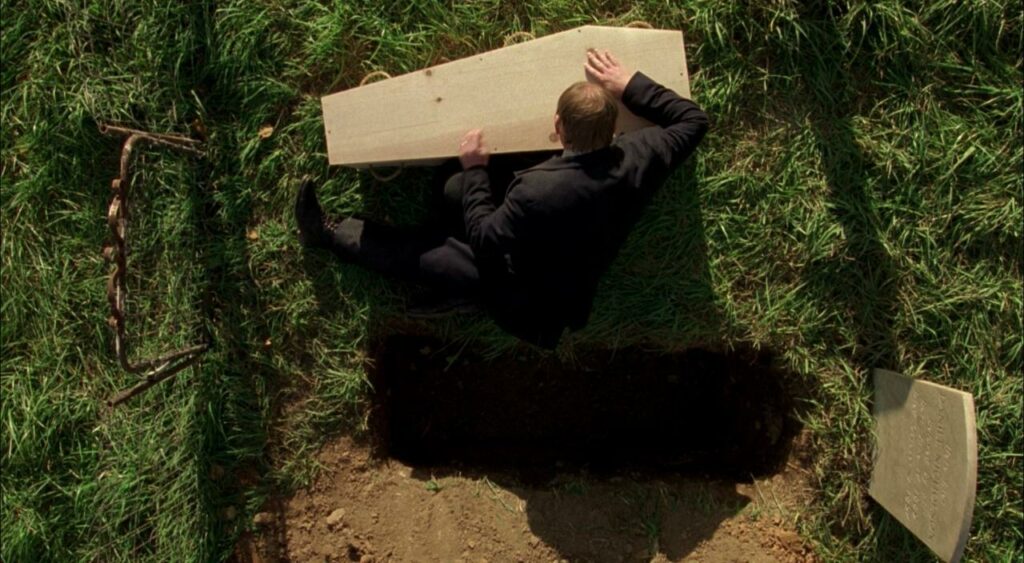
We shield children from truth through innocence because their minds and emotions aren’t yet equipped to handle the full complexity or danger of the world. Innocence protects them from harm, allows them to explore and learn safely, and provides a moral framework for understanding right and wrong. It delays responsibility, giving them time to grow before making high-stakes decisions.
But this protection comes with a cost: dependence. This is why adults like Lucius and Ivy, possessing inner strength, are far more capable of facing the unknown and danger to protect the village, unlike the other youths who let fear hold them back and did not dare to see things through.
Why reality or truth have to be faced eventually
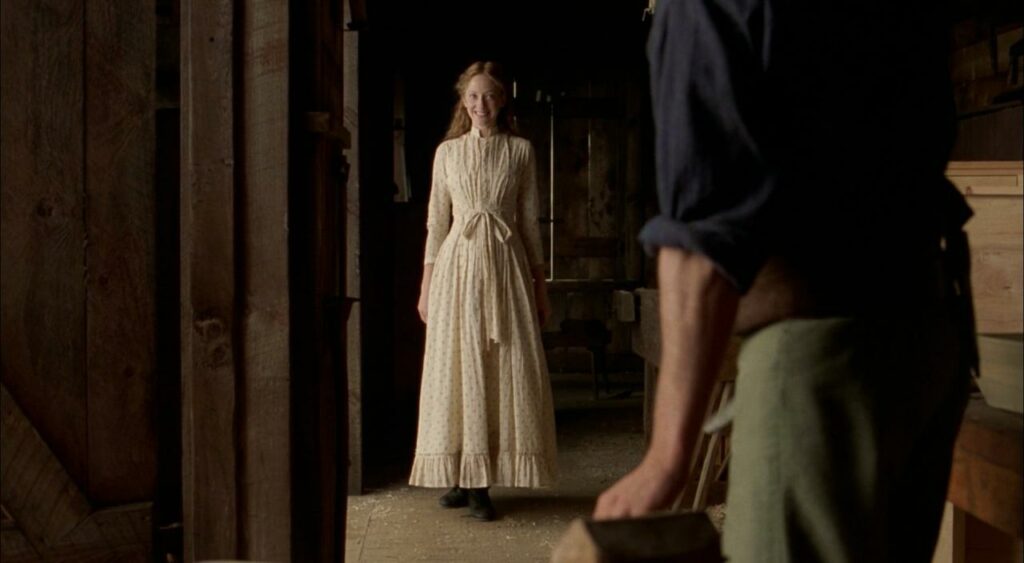
No matter how long one shields themselves — or is shielded — from complexity, truth, or danger, reality always has a way of surfacing. Life is not a sandbox: eventually, choices must be made, risks confronted, and consequences accepted. Safety and comfort can only carry you so far; growth, autonomy, and meaningful action require engaging with the world as it is, not as you wish it to be.
Facing reality is not about reckless rebellion — it is about claiming agency. It is the moment when courage moves from abstract virtue to practical necessity, when instinct, skill, and moral clarity meet the challenges that structure and habit cannot shield you from. Those who delay it may preserve comfort, but they trade freedom, foresight, and the opportunity to shape their own path.
OUR SPONSOR OF THE DAY : NEONNIGHT.FR
Conclusion
The village may seem safe, orderly, and protected, but that very safety is both a blessing and a cage. Life within is comfortable, honest, and peaceful — yet carefully constrained, with growth, choice, and agency limited by design.
True life — the kind that tests courage, shapes character, and grants freedom — exists beyond the village’s borders. Safety can shield you, but only confronting reality allows you to truly live.
“Courage is not the absence of fear, but the triumph over it.” — Nelson Mandela


GIPHY App Key not set. Please check settings