
 dudeoi
In the past, filmmaking was defined by access expensive cameras, large crews, and heavy infrastructure. Today, that barrier has largely disappeared. With the rise of prosumer cameras, filmmakers can now achieve cinematic results using tools that are relatively compact, affordable, and widely accessible.
What matters is no longer just the gear, but how it is used.
Across the industry, a growing number of directors have embraced these hybrid and prosumer systems to shoot full-length films, documentaries, and experimental projects. Whether for their flexibility, low-light capabilities, or ability to operate in tight environments, these cameras are reshaping the way stories are told.

In this article, we explore 10 movies that were shot using prosumer cameras proving that creativity, vision, and execution will always matter more than budget alone.

OUR SPONSOR OF THE DAY : NEONNIGHT.FR
1. The Creator
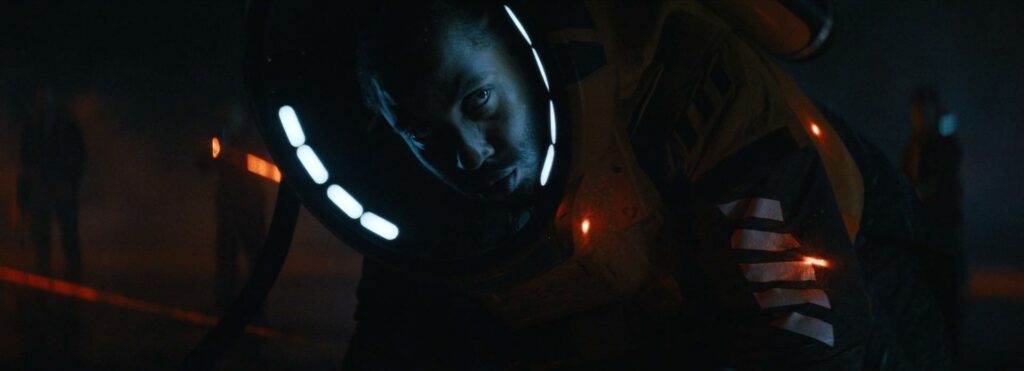
The Creator, directed by Gareth Edwards, is a strong example of how prosumer cameras are reshaping modern filmmaking. Shot mainly on the Sony FX3, the film proves that cinematic scale no longer depends on heavy, traditional rigs. Edwards chose a lightweight setup to shoot in real locations with natural light, enabling a more flexible and reactive style.
This approach gives The Creator a grounded, immersive look, almost documentary-like despite its sci-fi scope. The FX3’s low-light performance and full-frame sensor allowed for fast, efficient shooting while blending practical environments with visual effects seamlessly.
2. Presence
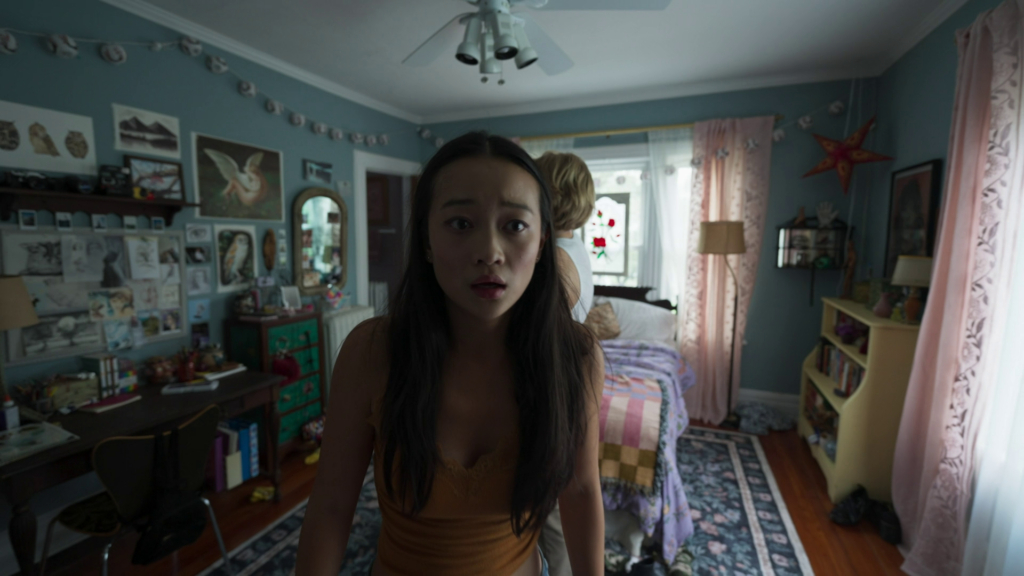
In Presence, Steven Soderbergh uses a setup which is known to be a Sony A9 III with a Sony FE 14mm f/1.8 GM to shape the film’s visual identity. The ultra-wide 14mm perspective places the viewer inside the space, exaggerating depth and creating a strong sense of presence that fits the “invisible observer” concept.
The wide field of view allows fluid movement through tight interiors while keeping everything in frame, and the f/1.8 aperture enables natural, low-light shooting. The result is an immersive, slightly distorted image that feels less like observation and more like inhabiting the scene.
3. Unsane
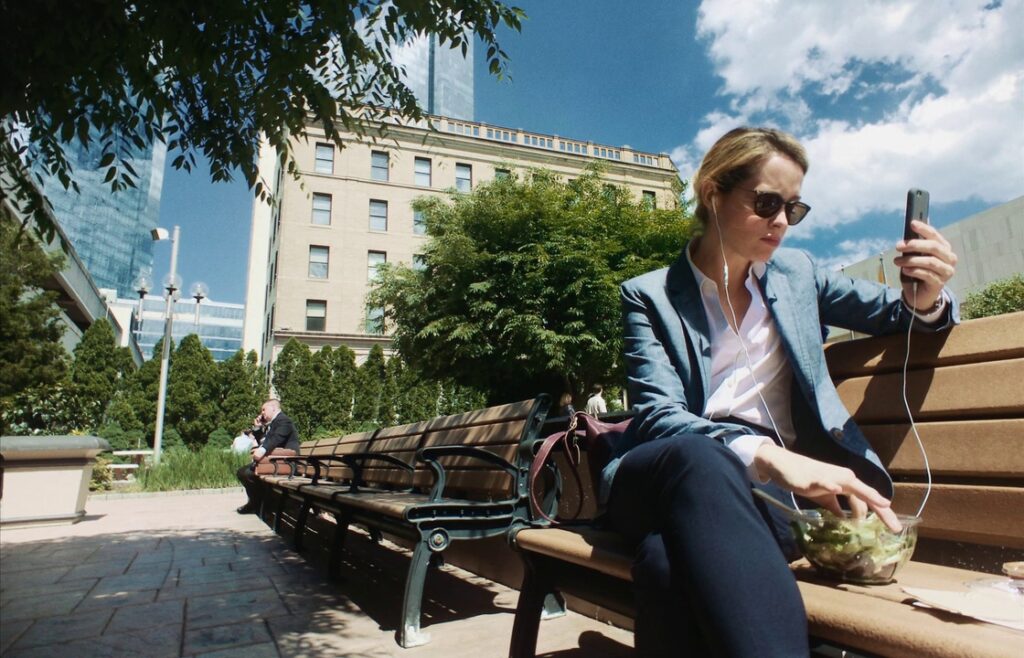
Unsane, directed by Steven Soderbergh, was shot using three iPhone 7 Plus units, reinforcing its raw and unsettling tone. The smartphone setup allowed for extreme proximity to characters, creating a claustrophobic, almost invasive perspective that fits the film’s psychological tension.
This lightweight approach enabled fast, flexible shooting in real locations, while the digital sharpness and slight imperfections of the iPhone image added to the sense of unease. Rather than limiting the film, the choice of camera became central to its style — making Unsane feel immediate, intimate, and disturbingly real.
4. Tangerine
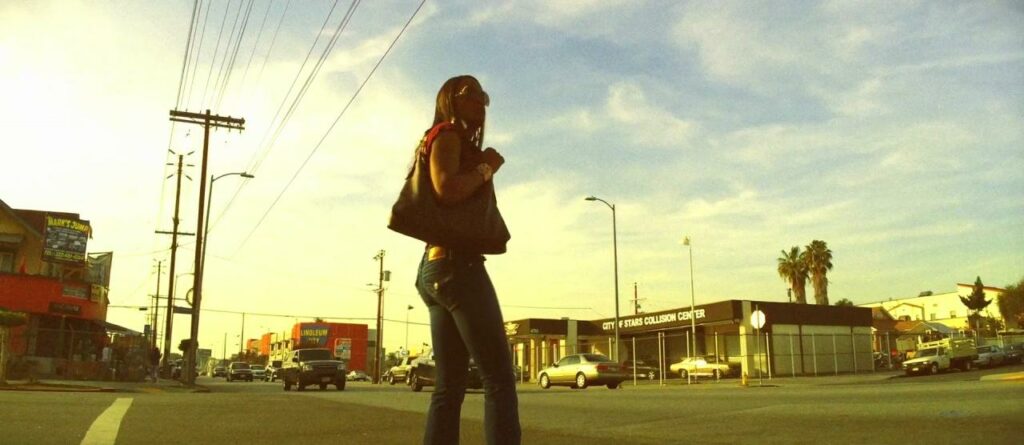
Tangerine, directed by Sean Baker, was famously shot on three iPhone 5s devices, marking a turning point in modern independent filmmaking. The choice of such a minimal setup allowed the film to be shot quickly and discreetly on real Los Angeles streets, capturing a level of authenticity and immediacy that would have been difficult with traditional cinema equipment.
This approach gives Tangerine its distinctive visual identity: raw, vibrant, and deeply immersive. The iPhone’s digital image, combined with natural lighting and on-the-fly shooting, enhances the film’s documentary-like energy while reinforcing its focus on everyday life and marginalised characters. Far from being a limitation, the smartphone becomes a storytelling tool that amplifies intimacy and realism.
5. HOUSE MD
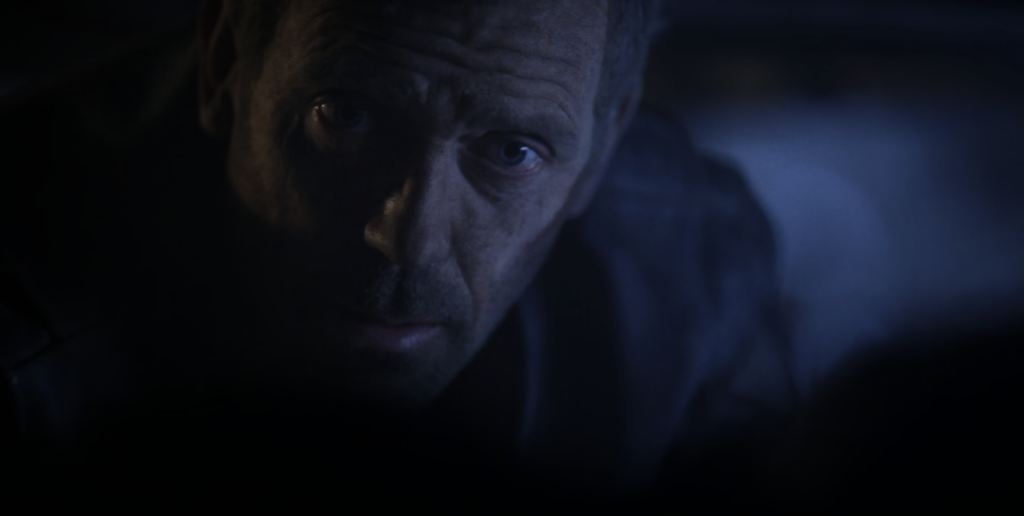
Two episodes of House MD were notably shot using the Canon EOS 5D Mark II, marking one of the early mainstream experiments with DSLR filmmaking in high-end television production. This choice allowed the crew to achieve a more intimate, cinematic look while maintaining the speed and flexibility needed for television schedules.
The DSLR setup enabled shallow depth of field, naturalistic lighting, and handheld mobility, giving the episodes a slightly more immersive and grounded feel compared to the standard multi-camera television style. It demonstrated how stills-oriented cameras could be adapted for narrative filmmaking, helping accelerate the industry-wide shift toward more compact digital production tools.
6. Blue Ruin
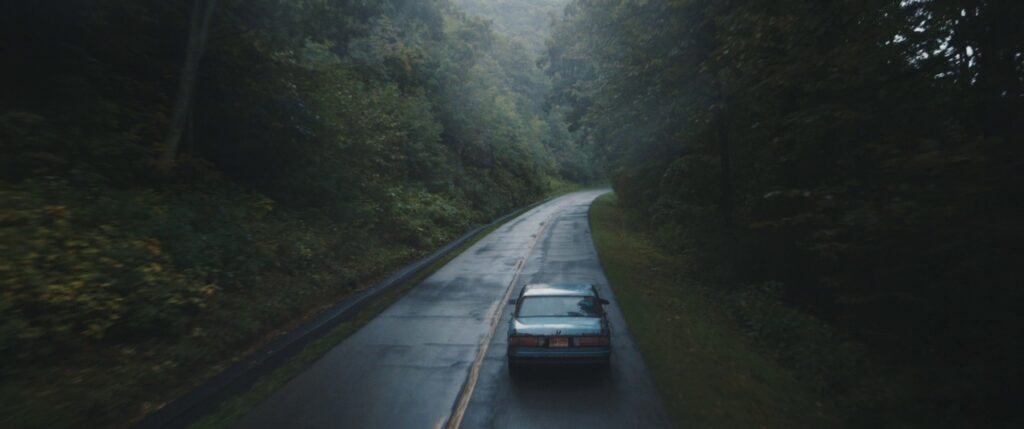
Blue Ruin, directed by Jeremy Saulnier, was shot using the Canon EOS C300 (Mark I), a choice that helped define its raw and grounded visual identity. The C300’s strong low-light performance and cinematic color science allowed the film to maintain a naturalistic look while working with a very small crew and limited resources.
This lightweight digital cinema setup supported the film’s restrained, observational style, emphasizing realism over stylization. The result is a tense, intimate image that feels immediate and unpolished in a deliberate way — perfectly matching the film’s bleak revenge narrative and minimalist production approach.
7. Civil War
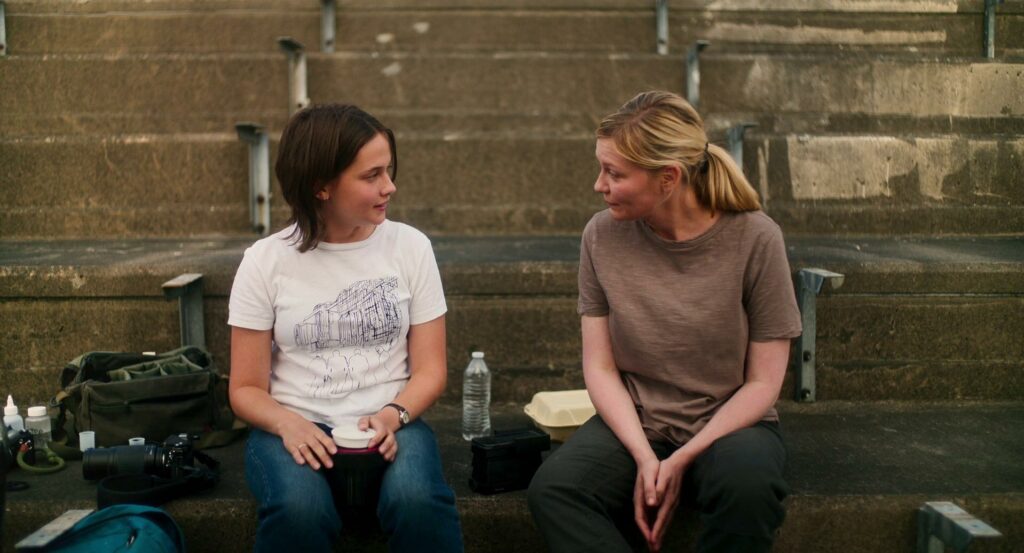
Civil War, directed by Alex Garland, makes extensive use of the DJI Ronin 4D, a choice that strongly shapes its immersive, embedded-journalism aesthetic. The Ronin 4D’s integrated stabilization and compact form factor allow for highly mobile, handheld-style shooting that feels close to documentary coverage, especially in fast-moving and chaotic environments.
This approach reinforces the film’s perspective-driven storytelling, placing the viewer directly alongside the characters as they move through a fractured, near-future America. The system’s agility enables long, fluid takes in dynamic conditions, helping Civil War achieve a sense of immediacy and realism that blurs the line between fiction and field reportage.
8. The Killer
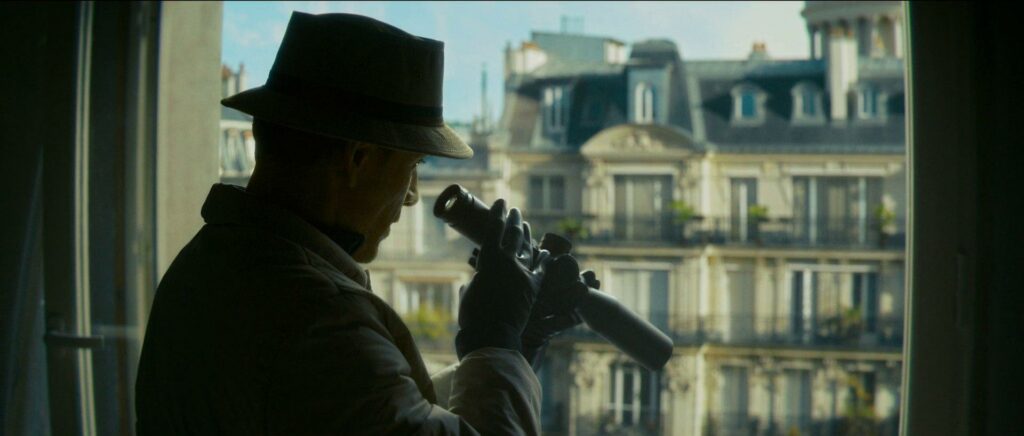
The Killer, directed by David Fincher, was shot using a combination of the RED Komodo 6K and RED V-Raptor, reflecting Fincher’s continued embrace of highly controlled digital precision. The compact Komodo was used for mobility and discreet setups, while the V-Raptor provided higher-end capture for more demanding sequences, especially where dynamic range and resolution were critical.
This hybrid setup supports the film’s meticulous visual language: cold, clean, and extremely deliberate. The lightweight cameras allowed Fincher to maintain his signature fluid tracking shots and hidden cuts while preserving an almost invisible production footprint. The result is a sleek, controlled aesthetic where the technology disappears into the precision of the storytelling, reinforcing the film’s focus on routine, surveillance, and procedural detail.
9. The Matrix Resurrections
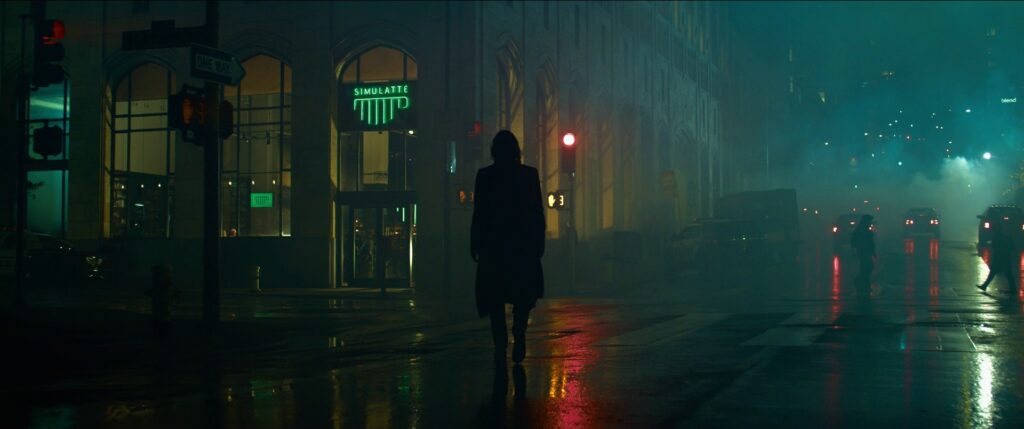
The Matrix Resurrections, directed by Lana Wachowski, was partly shot using the RED Komodo 6K, reflecting a shift toward more compact digital cinema tools even in large-scale studio productions. The camera’s small form factor allowed for greater flexibility in movement, especially in crowded urban environments and complex action setups, while still delivering high-resolution cinematic imagery.
This lightweight approach supported the film’s blend of practical shooting and visual effects-heavy environments, enabling a more fluid, immediate style of filmmaking. Combined with modern digital workflows, the Komodo helped the production achieve a balance between blockbuster scale and agile, handheld sensibility, reinforcing the film’s self-aware, slightly fragmented aesthetic.
10. 28 days later
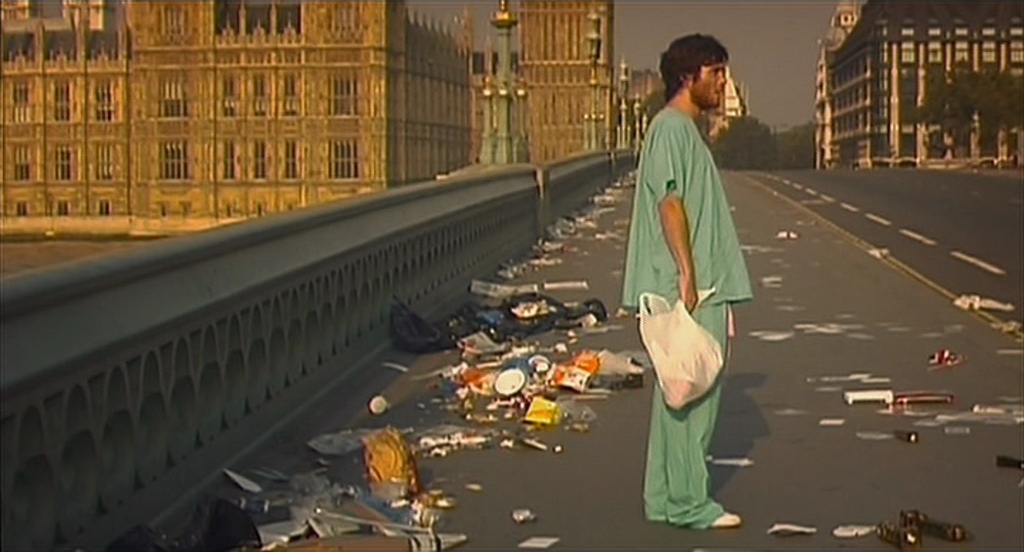
28 Days Later, directed by Danny Boyle, was shot primarily on the Canon XL1S, a consumer-grade digital video camera that helped define the film’s raw and unsettling visual identity. This choice gave the film a harsh, immediacy-driven aesthetic, with visible grain, motion artifacts, and a documentary-like instability that reinforced its post-apocalyptic atmosphere.
Rather than aiming for polished cinematic perfection, the XL1S was used to embrace roughness and unpredictability, making the infected world feel more urgent and believable. The lightweight camera also allowed for fast, agile shooting in real urban locations, including deserted streets, which would have been far more difficult with traditional film rigs. This approach became a landmark example of how consumer digital video could reshape the emotional tone of mainstream cinema.
Bonus round : Hardcore Henry
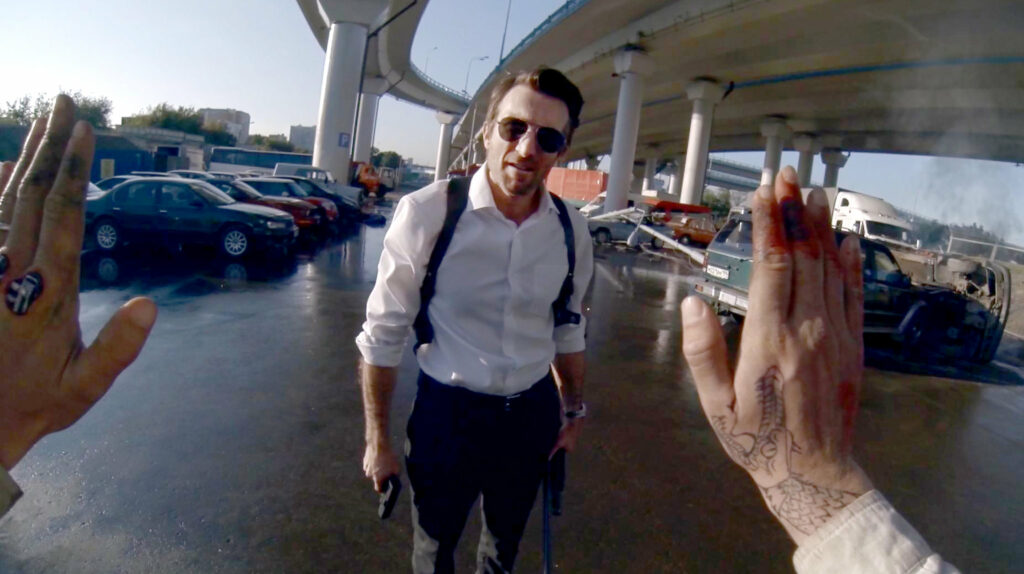
Hardcore Henry, directed by Ilya Naishuller, pushes the idea of prosumer filmmaking even further by being shot almost entirely using GoPro cameras mounted in first-person rigs. This approach transforms the film into a continuous point-of-view experience, effectively placing the viewer inside the action rather than observing it from the outside.
The lightweight, wearable camera setup enables extreme stunt work, rapid movement, and a video game–like visual grammar that would be difficult to achieve with traditional cinema rigs. While intentionally chaotic and stylized, the GoPro-based production becomes the core of the film’s identity, proving that even the most unconventional consumer-grade tools can define an entire cinematic experience when used with a strong creative vision.
OUR SPONSOR OF THE DAY : NEONNIGHT.FR
Conclusion
From smartphones to high-end digital cinema systems, the evolution of prosumer cameras has fundamentally reshaped the language of visual storytelling. The examples explored in this article demonstrate that technical limitations are no longer a defining constraint of cinematic ambition. Instead, they often become creative catalysts, pushing filmmakers toward more intimate, flexible, and expressive forms of production.
What unites these projects is not the specific hardware, but the intention behind its use: mobility, immediacy, realism, and creative control. Whether capturing the raw energy of Tangerine, the precision of The Killer, or the immersive perspective of Civil War, these tools enable directors to work closer to their subjects and environments than ever before.
Ultimately, prosumer cameras have blurred the boundary between independent and mainstream cinema. They have shifted the focus away from scale and equipment, and toward vision and execution. In this new landscape, storytelling is no longer defined by what a production can afford, but by what a filmmaker can imagine — and how far they are willing to go to capture it.


GIPHY App Key not set. Please check settings